
Tag

Coastal Engineering

All articles tagged with #coastal engineering

Two Reefs, One Mission: Surf and Shoreline Resilience from Albany to the Gold Coast
environment2 days ago

Two Reefs, One Mission: Surf and Shoreline Resilience from Albany to the Gold Coast

Two artificial reefs—Midds Reef at Middleton Beach in Albany and the Palm Beach Artificial Reef on the Gold Coast—are showcased as results-driven examples of coastal engineering and community collaboration. Opened in 2025, Midds Reef boosted surf access and improved beach shape (winter days with 100+ waves rose from under 5% to about 51%), while PBAR endured Cyclone Alfred and helped preserve sand, aided by a closer-to-shore design and heavier rock, demonstrating how data-driven design and surfer input can deliver both recreation and coastal protection.

Venice at Sea-Level Crossroads: Four Engineering Bets to Save the City
science4 months ago

Venice at Sea-Level Crossroads: Four Engineering Bets to Save the City

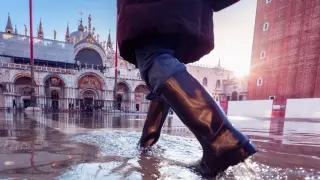
European researchers compared four protection strategies for Venice against rising seas—open-lagoon closure with movable barriers, ring dikes, fully enclosing the lagoon by raising barrier islands, or relocating residents and monuments. Their projections show the open-lagoon approach becomes unreliable by around 2300 under even low-emission futures; ring dikes could work but would disrupt lagoon ecosystems and cost €0.5–4.5B; enclosing the lagoon could guard against up to 10 meters of rise but costs €30B+, sacrifices the lagoon ecosystem and port function; relocation is the costliest at about €100B and ends Venice's role as a functioning port. Large-scale projects could take up to 50 years to implement, underscoring the need for early planning.
Unveiling the Scientific Wonders of Kelly Slater's Surf Ranch (Video)
science-and-technology3 years ago

Unveiling the Scientific Wonders of Kelly Slater's Surf Ranch (Video)

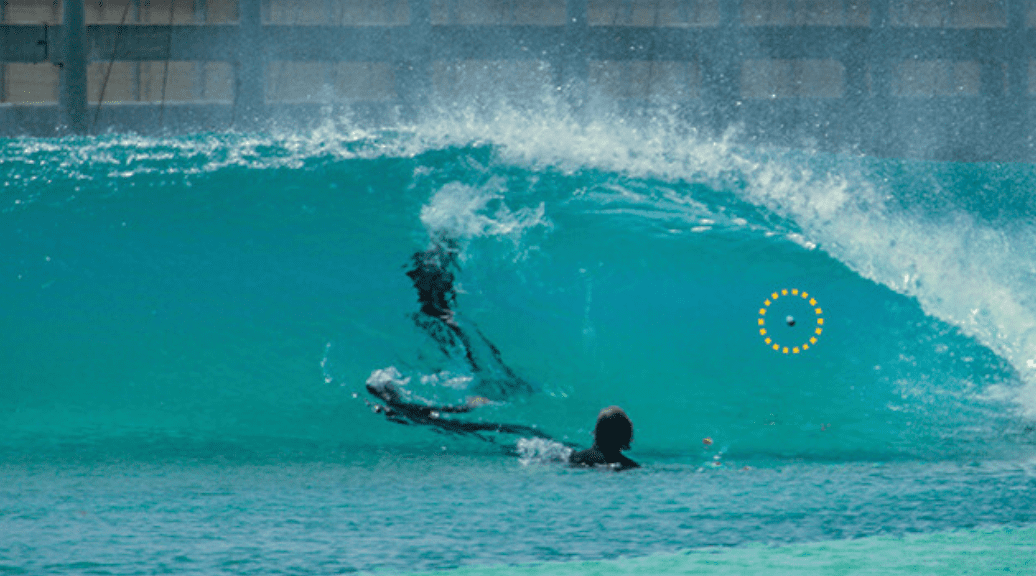
The Scripps Institution of Oceanography has used Kelly Slater's Surf Ranch as a test facility to study wave dynamics and the science behind waves. Researchers from Scripps, Kelly Slater Wave Co., and Naval Postgraduate School used a new instrument called the wavedrifter to make in situ measurements inside waves, providing valuable insights into wave behavior and the intense accelerations that occur when waves overturn. The study also explored the complex vortex structures created when waves break, which have implications for coastal engineering and shoreline changes. The implementation of the wavedrifter in coastal environments can contribute to better coastal planning and beach management.