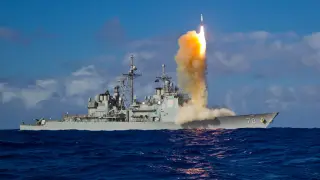
The U.S. Department of War has awarded Raytheon a multi-year contract worth up to $6.3 billion to produce Standard Missile-3 Block IB interceptors. The deal, valued at $4.4 billion for the base period with options for an additional $2 billion, aims to replenish missile defense inventories and break manufacturing bottlenecks. Production will occur in Tucson, Arizona, and Huntsville, Alabama, through 2034.

A recent cockpit photo shows a Ukrainian F-16 pilot shooting down a Russian Geran drone with a 20mm cannon during a massive air raid. While this demonstrates pilot skill and the utility of legacy aircraft, experts warn that these older F-16s lack the advanced sensors and networking needed for a modern air force. The focus must shift from simply donating planes to building a comprehensive, sustainable aviation ecosystem.
The former Italian Navy aircraft carrier ITS Giuseppe Garibaldi has arrived in Indonesian waters, marking a historic milestone for the Indonesian Navy (TNI AL). Renamed KRI Sriwijaya, the ship departed Taranto, Italy, on August 24, 2026, under a mixed crew led by Italian Captain Marco Guerriero. It transited the Suez Canal and made port calls in Egypt and Sri Lanka before entering Indonesia via the Malacca Strait. The vessel is expected to dock at Tanjung Priok Port in Jakarta on September 18, 2026, and will feature prominently in the Indonesian Armed Forces' anniversary celebrations on October 5. The Navy states the carrier will primarily support humanitarian assistance and disaster relief missions, as directed by President Prabowo Subianto. Prior to its arrival, Indonesian military personnel from the Navy, Army, and Air Force conducted joint helicopter landing exercises on a mock-up of the flight deck to prepare for operations.
Analyst Mahnken argues that U.S. wars are rarely quick; to prevail in extended conflicts (as with Iran), the United States must combine high-end capability with mass by expanding long-term munitions production, hardening bases, and strengthening the defense industrial base, while relying on allies and adopting new technologies (long-range munitions, directed energy, satellites) and layered defenses to deter and win protracted campaigns across multiple theaters.
President Trump warned Raytheon to increase weapons production and stop stock buybacks or risk losing government contracts, amid a push for a $1.5 trillion military budget increase to build a 'dream military' in response to rising geopolitical tensions.
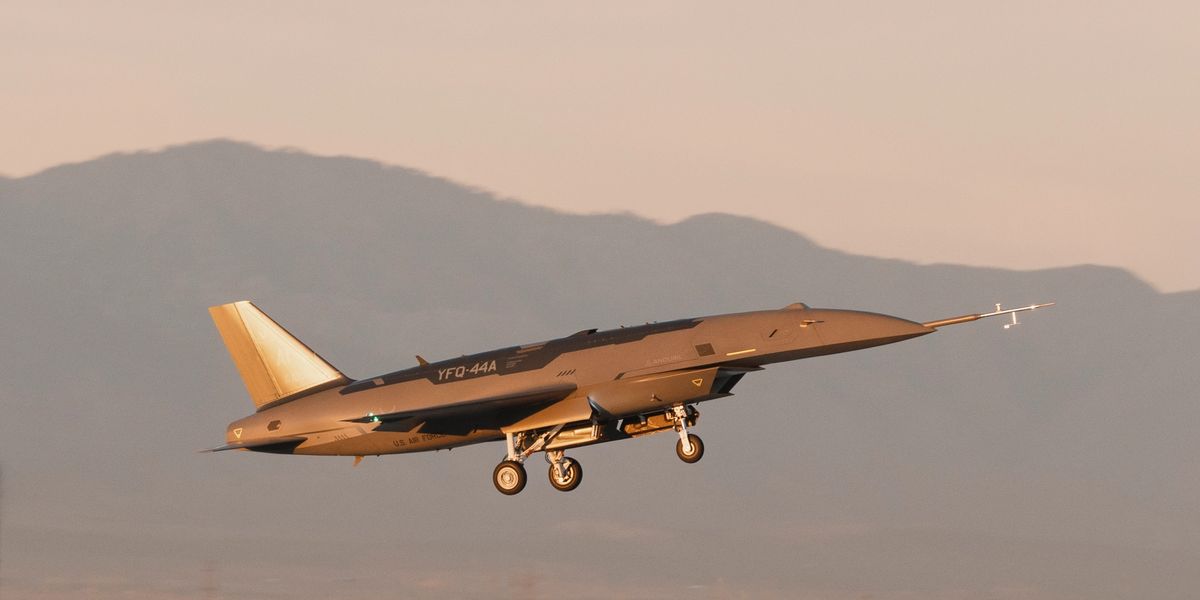
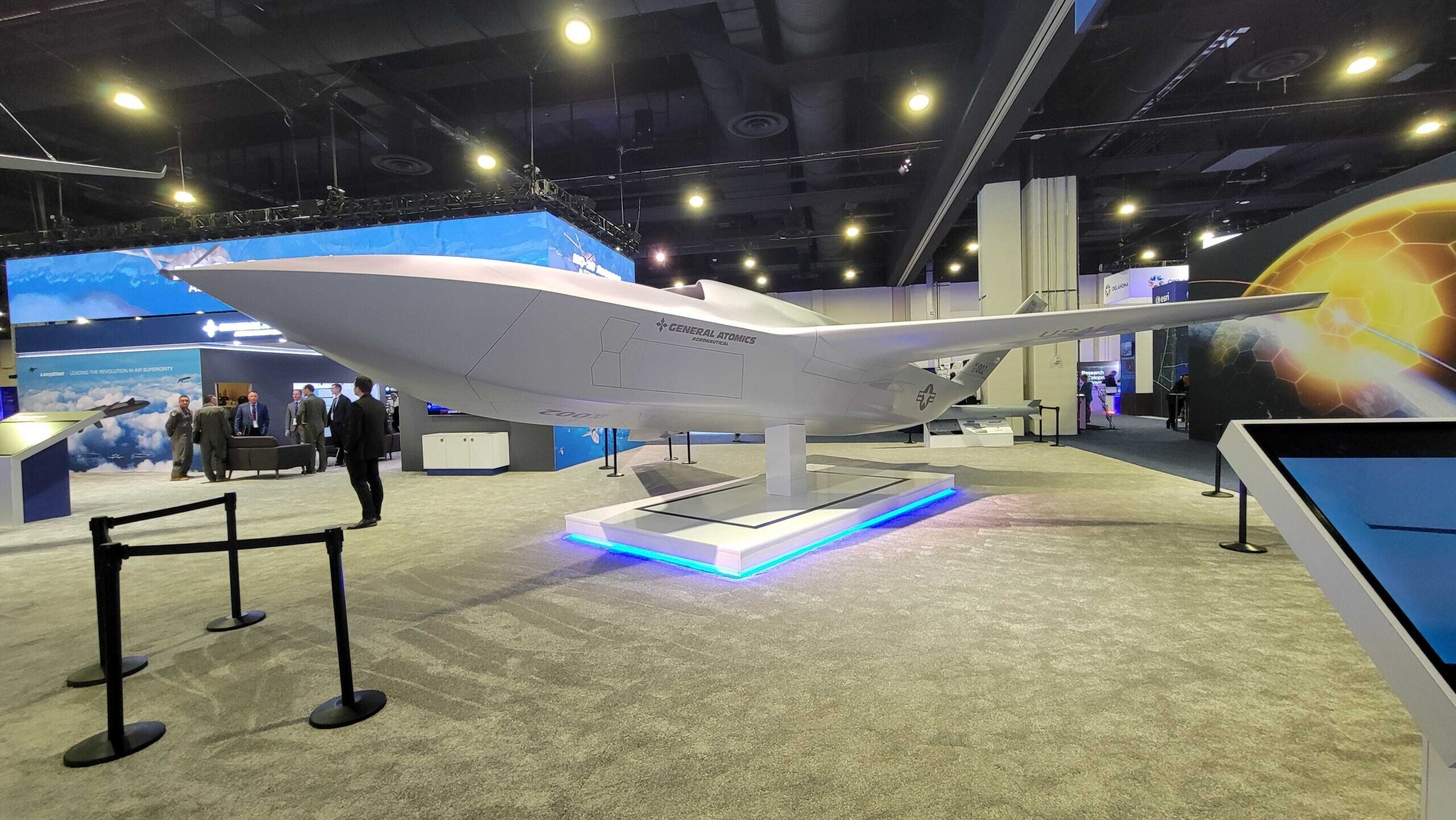
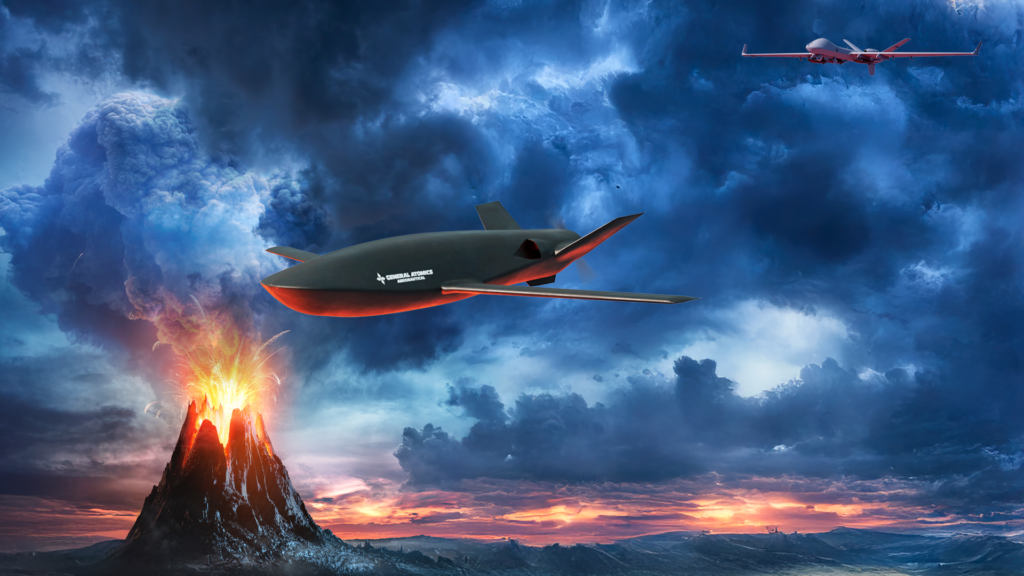
Anduril's YFQ-44A Collaborative Combat Aircraft has begun flight testing, marking a rapid development from design to flight in just 556 days, with a focus on autonomy, mass production, and collaboration with the U.S. Air Force to enhance air superiority and adapt to evolving threats.
The Pentagon is experiencing significant disarray, with concerns over uncoordinated decisions, leadership departures, and reduced transparency, raising alarms about the stability and effectiveness of US military strategy and civil-military relations.
The Netherlands has joined the US in developing autonomous drone wingmen through a new partnership, gaining full access to the US Air Force's Collaborative Combat Aircraft program, which could lead to over 1,000 drones in the European theater, enhancing interoperability and defense capabilities.
Defense Secretary Pete Hegseth's attempt to impose strict media restrictions at the Pentagon involves his legal adviser Tim Parlatore, whose dual military and civilian roles have raised concerns about conflicts of interest and influence, amid broader debates over the restrictions' impact on press freedom and transparency.
The Trump administration is considering a plan to establish a rapid-response military 'reaction force' of 600 National Guard troops to be deployed quickly into U.S. cities facing protests or unrest, raising legal, logistical, and societal concerns about the use of military force domestically.
The US Navy faces a critical decline in size and readiness by 2027, while China rapidly expands its naval capabilities, threatening regional stability. To restore deterrence, the US must accelerate naval shipbuilding, invest in unmanned vessels, and revitalize its industrial base, including commercial maritime industries, to ensure rapid wartime mobilization and counter China's growing naval power.
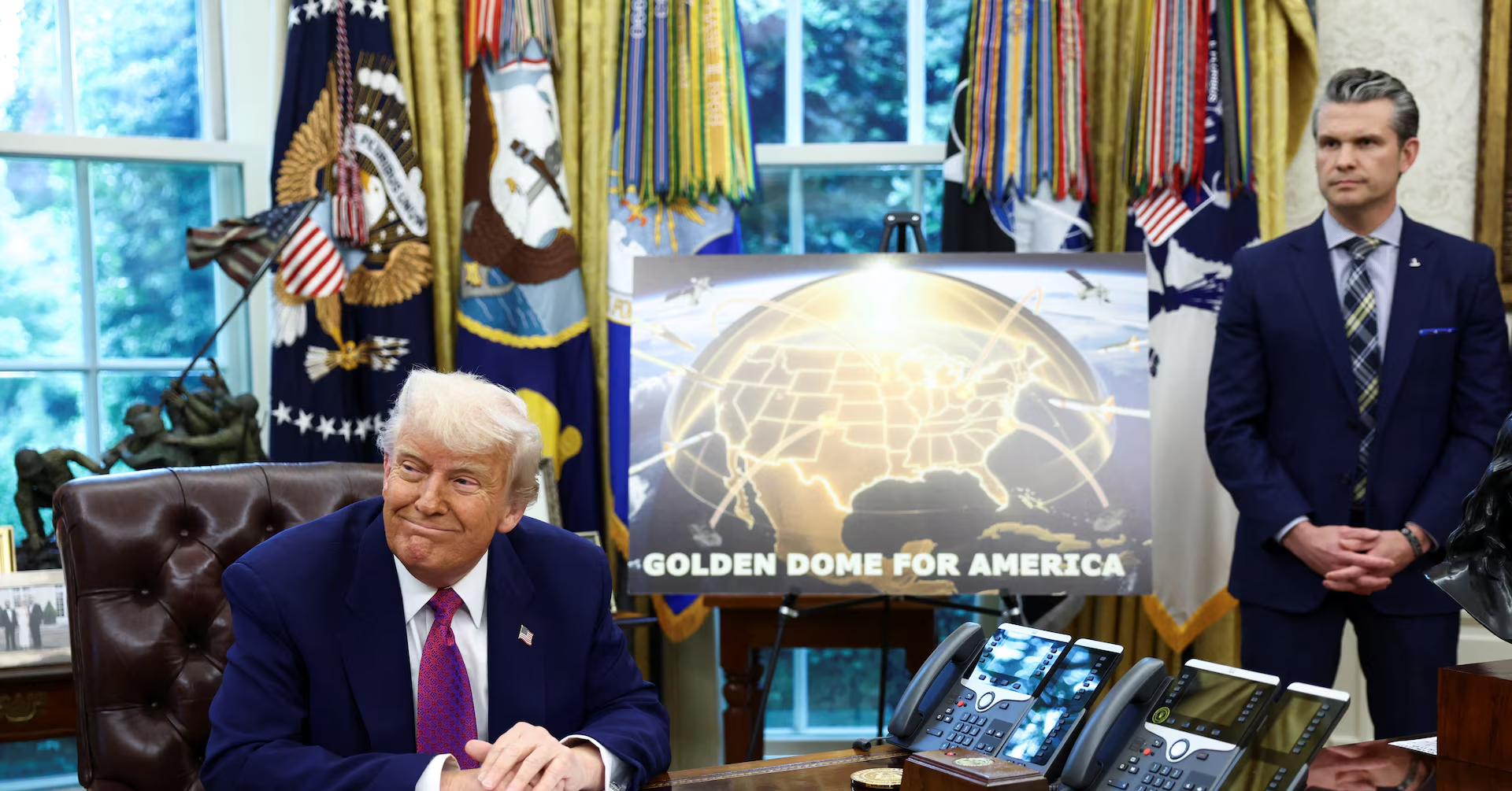
The Trump administration is seeking alternatives to SpaceX for building the Golden Dome missile defense system, exploring partnerships with Amazon's Project Kuiper and other defense contractors due to strained relations with Musk, aiming to diversify and strengthen the satellite-based defense network amid political and technical challenges.
NATO's European commander urges rapid industrial mobilization to deliver military capabilities swiftly, emphasizing the need for a seamless industrial base, increased defense spending, and technological advancements to counter threats and enhance alliance readiness.
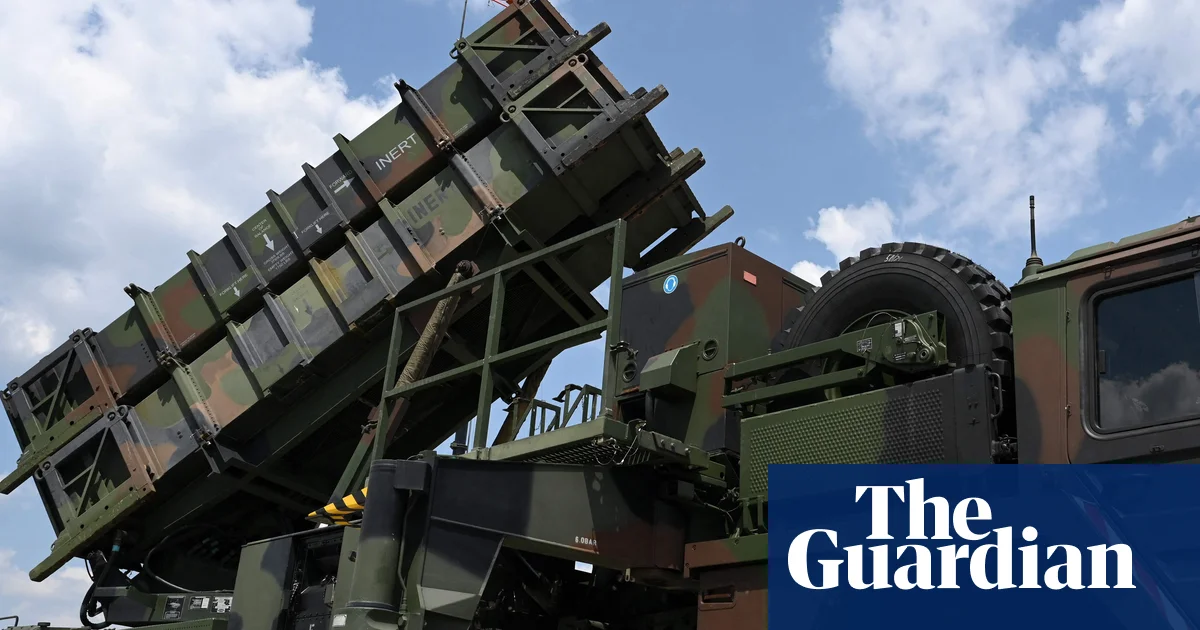
The US has only 25% of the Patriot missile interceptors needed for its military plans due to recent high usage, leading to a halt in transfers to Ukraine, though this decision was partially reversed by Trump amid ongoing tensions and military needs.
At the Paris Air Show, General Atomics announced a partnership with Saab to equip the MQ-9B Reaper with Saab's AEW sensors for early warning capabilities, aiming for deployment by 2026, and unveiled a new air-launched effect called Pele, a small, autonomous UAS designed for deployment from larger aircraft or ground launch, with a range of operational uses including missile defense and drone swarm countermeasures.