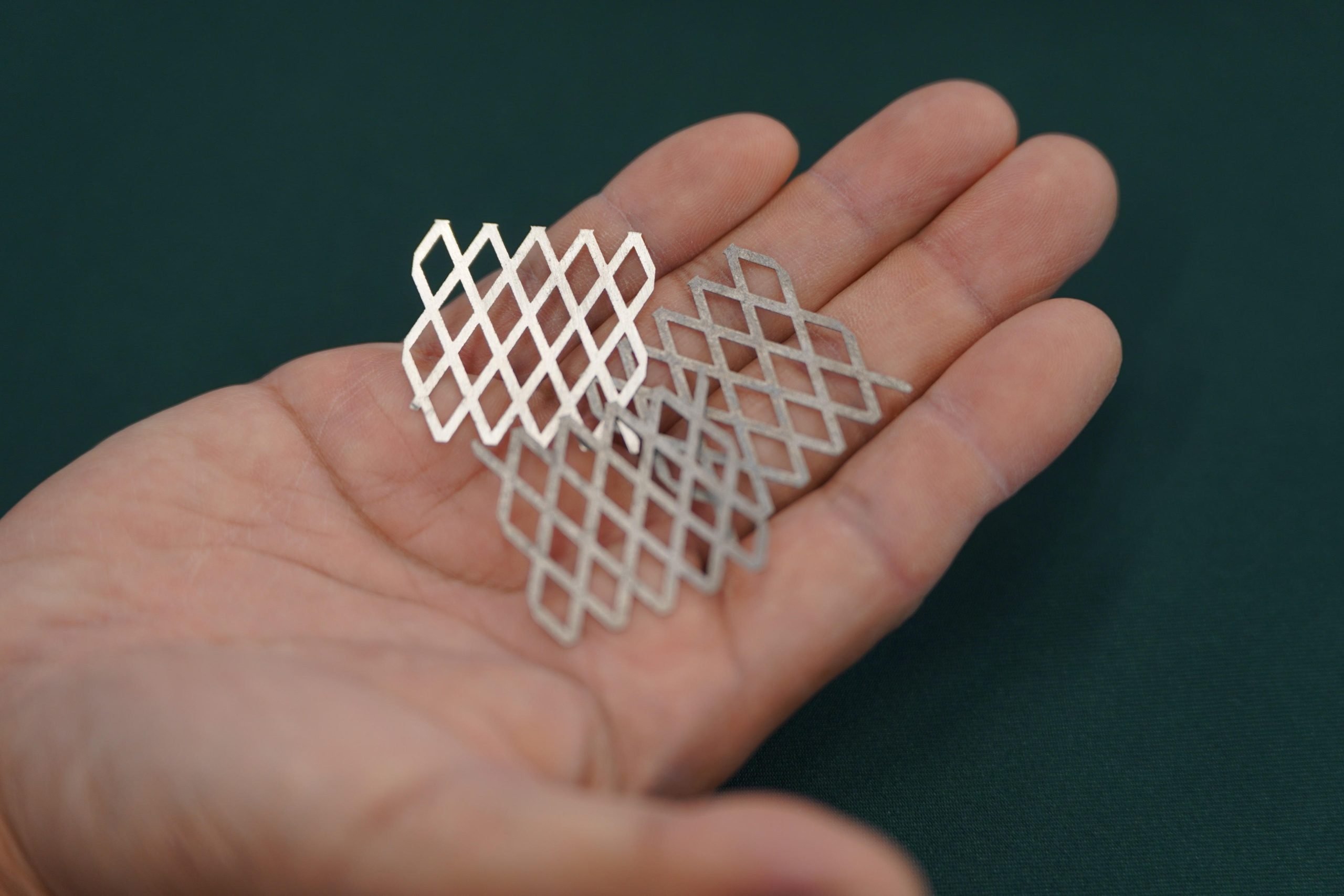
A team at the University of Hong Kong has created a new stainless steel, dubbed SS-H2, that withstands the extreme electrical conditions of seawater electrolysis. This material could replace expensive titanium components, potentially reducing structural costs for green hydrogen production by 40 times.
University of Hong Kong researchers have developed SS-H2, a stainless steel that forms a second manganese-based passivation layer on top of the usual chromium oxide film, enabling corrosion resistance at the high voltages used in seawater electrolysis. This could let hydrogen be produced from seawater at lower cost by replacing expensive titanium components, potentially slashing structural material costs by about 40x for large electrolyzer systems. The six-year project, outlined in Materials Today, has led to patents and SS-H2-based wire production, though scaling to industrial use will require further engineering.
Researchers used an interpretable machine-learning model to design a new Fe-based alloy tailored for laser powder bed fusion 3D printing, achieving about 1,713 MPa strength and over 15% ductility after a six-hour heat treatment, plus superior corrosion resistance (0.105 mm/year). The PF-ML design approach could accelerate additive manufacturing, though it must be retrained for different material classes.
Scientists at the University of Hong Kong have developed a revolutionary stainless steel, SS-H2, designed for hydrogen production, which offers superior corrosion resistance and cost-effectiveness compared to Titanium. This innovation could significantly reduce material costs in water electrolyzers, making hydrogen production from renewable sources more affordable. The new steel exhibits high corrosion resistance, enabling its potential application for green hydrogen production from seawater, and its performance in salt water electrolyzers is comparable to using Titanium while being much cheaper. The research achievements are currently applying for patents in multiple countries, with the potential to revolutionize corrosion resistance and bring new applications in industrial settings.