Tag

Hydrogen Production

All articles tagged with #hydrogen production

Oregon State Researchers Develop Sulfur-Based Material for Cheaper Green Hydrogen
science-and-technology1 month ago

Oregon State Researchers Develop Sulfur-Based Material for Cheaper Green Hydrogen

A new light-activated material from Oregon State University can produce hydrogen from water without expensive metal catalysts. The material, BVR-19, uses a unique sulfur bond to drive the reaction efficiently. This approach could lower the cost of green hydrogen, which currently costs about $5 per kilogram compared to $1.50 for fossil-fuel-derived hydrogen. The findings, published in the Journal of the American Chemical Society, offer new design rules for solar fuel production.

MIT Researchers Use Electrochemical Cell to Drive Hydrogen Separation in Dehydrogenation Reactions
science-and-technology2 months ago

MIT Researchers Use Electrochemical Cell to Drive Hydrogen Separation in Dehydrogenation Reactions

A new study from MIT demonstrates that using a palladium-based membrane as the anode in a molten-hydroxide electrochemical cell can significantly enhance thermochemical dehydrogenation. By applying a low anode potential, the system actively pumps hydrogen out of the reaction zone without requiring a pressure differential, overcoming limitations of traditional membrane reactors. This approach improves single-pass yields for reactions like ammonia and methylcyclohexane dehydrogenation at moderate temperatures.

Revolutionary Solar Tech Converts Water to Green Hydrogen Fuel
science-and-technology2 years ago

Revolutionary Solar Tech Converts Water to Green Hydrogen Fuel

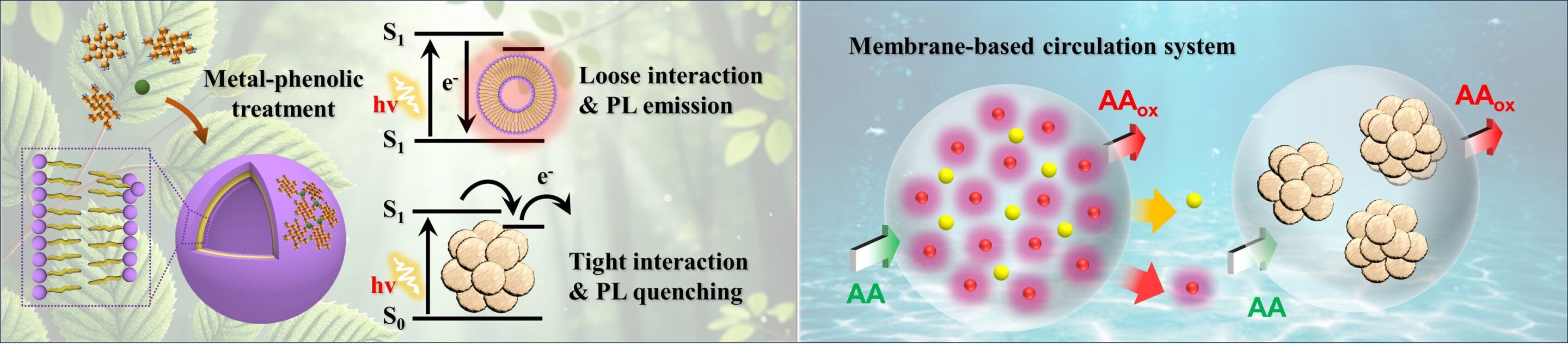
Researchers have developed a new solar hydrogen production technology by creating a supramolecular fluorophore nanocomposite that mimics natural photosynthesis. This system uses tannic acid-based metal-polyphenol polymers to enhance the stability and efficiency of photocatalytic reactions, achieving a hydrogen production rate 5.6 times higher than previous methods. The technology combines modified rhodamine dyes with bacteria to convert sunlight and ascorbic acid into hydrogen, offering a sustainable energy solution.

"Nano-Confinement: A Breakthrough in Hydrogen Production"
science-and-technology2 years ago

"Nano-Confinement: A Breakthrough in Hydrogen Production"

Researchers at Lawrence Livermore National Laboratory have discovered that nano-confinement can significantly enhance hydrogen production efficiency by altering water reactivity and proton transfer mechanisms. Using advanced molecular dynamics simulations, they found that confining water in nanopores smaller than 0.5 nanometers reduces activation energy for proton transport, suggesting new strategies for improving electrocatalyst performance and durability.

"Dual Production: Hydrogen and Fertilizer Simultaneously"
science-and-technology2 years ago

"Dual Production: Hydrogen and Fertilizer Simultaneously"

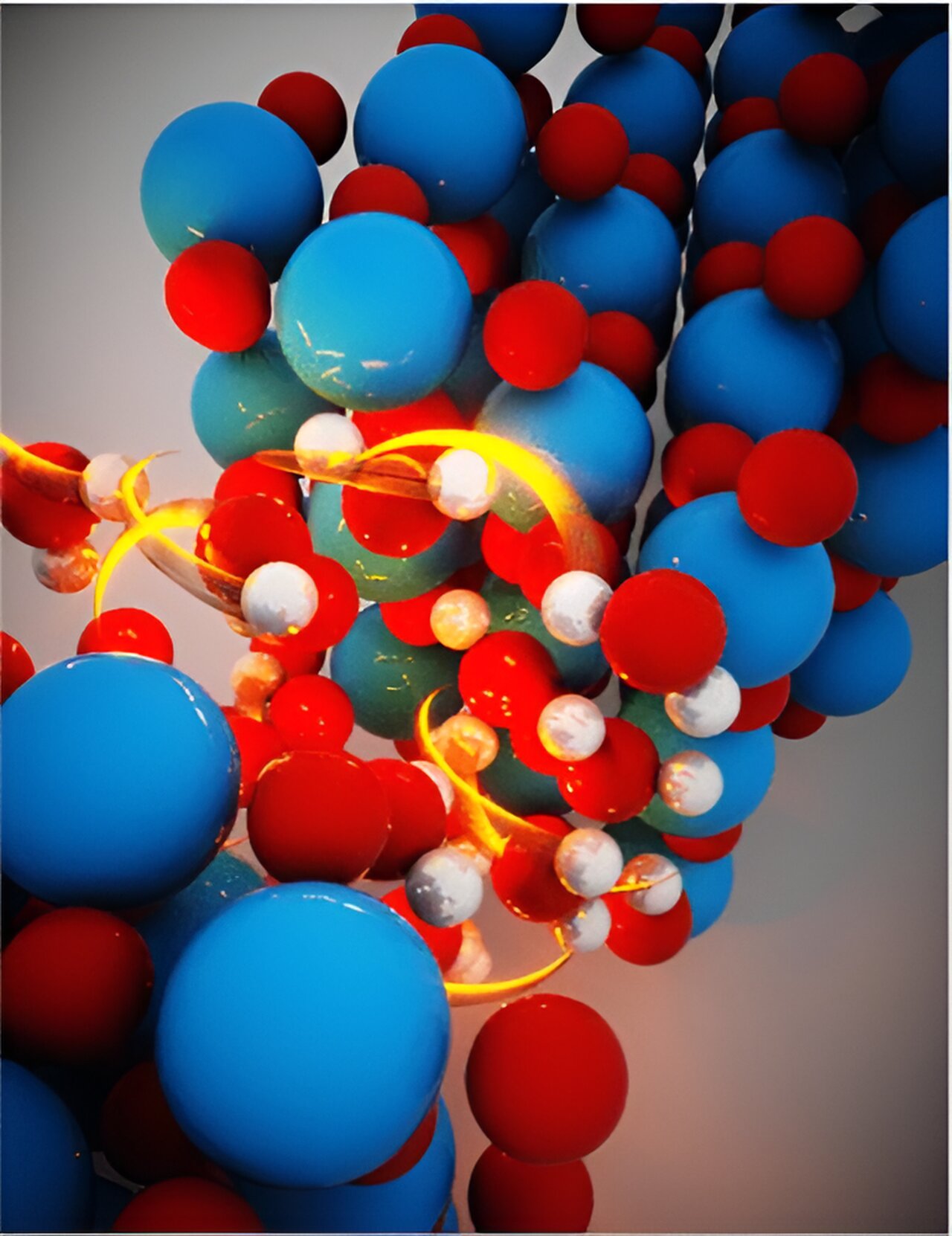
Researchers from the University Alliance Ruhr in Germany have developed a catalyst that allows the simultaneous production of hydrogen and fertilizer precursor nitrite from ammonia, combining two previously separate chemical processes. This innovative approach, which uses gas diffusion electrodes and overcomes significant thermodynamic challenges, could potentially double hydrogen yield and make ammonia a more efficient energy carrier for transport. However, the method is still in the experimental stage and far from industrial application.

"Transforming Metal Waste into Hydrogen Catalyst: A Sustainable Solution"
science-and-technology2 years ago

"Transforming Metal Waste into Hydrogen Catalyst: A Sustainable Solution"

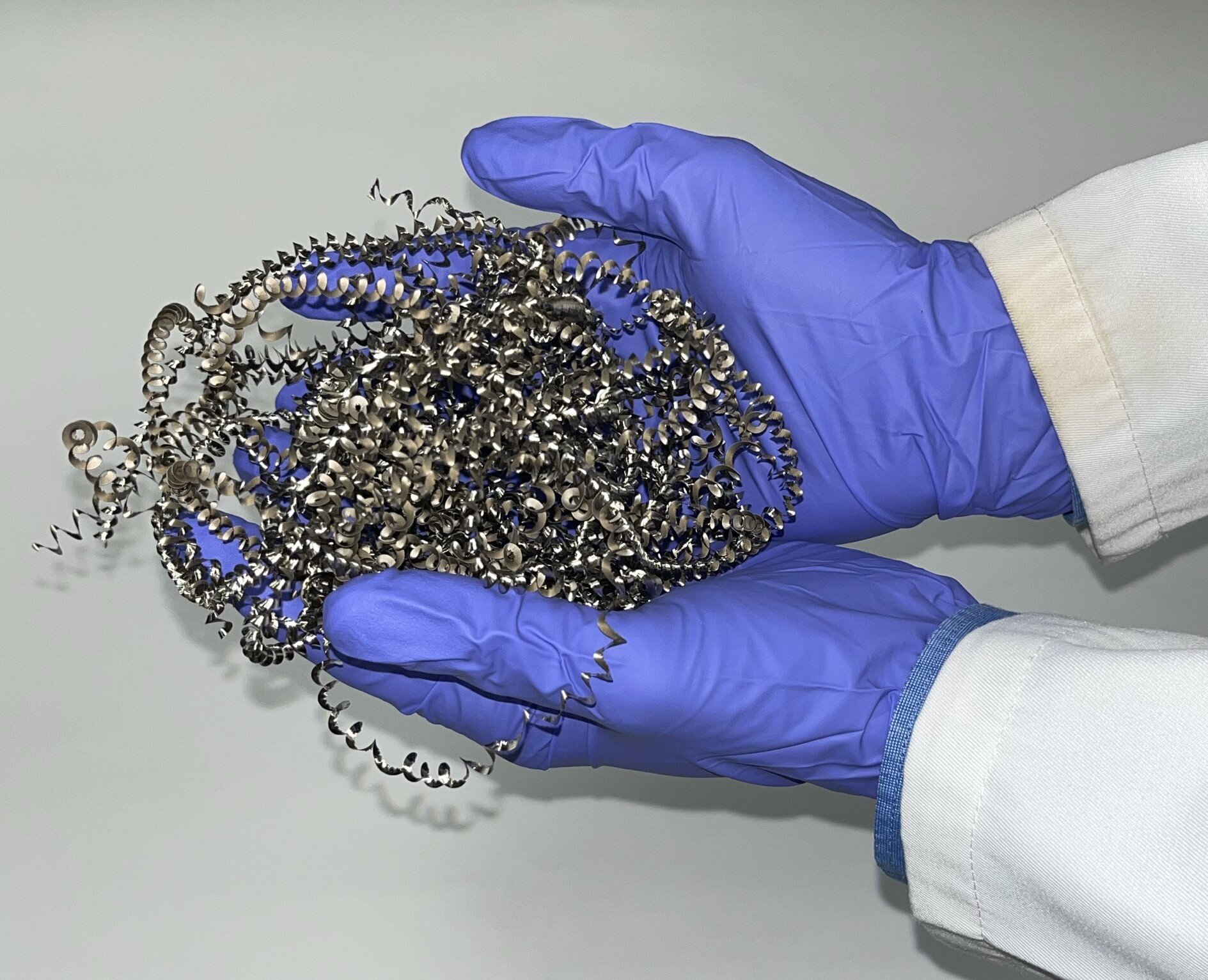
Researchers at the University of Nottingham have discovered a way to repurpose metal waste, specifically swarf from the metal machining industry, into a highly efficient catalyst for producing hydrogen from water. By utilizing the nanoscale textures on the surface of swarf, the team was able to anchor platinum or cobalt atoms, creating an effective electrocatalyst for water splitting. This breakthrough could lead to more sustainable hydrogen production, addressing the challenge of limited and expensive precious metals typically used in the process.