Czinger debuts BrakeNode, an integrated brake assembly made from topology-optimized aluminum via additive manufacturing, trimming unsprung mass by up to 30% and simplifying service with features like a bottom drain plug and top-pad slots; standard on the 21C Spyder (30 units total) and available for retrofit or as an option on other Czinger models (HDF/VMax).
Ars drives the Czinger 21C, a 1,250-hp hybrid hypercar with a central tandem cockpit and a chassis built via Divergent’s generative design and metal 3D printing; its lightweight, printer-built components and BrakeNode system showcase a new low-volume manufacturing model, while still delivering blistering performance that places it among the era’s top hypercars.
Researchers used an interpretable machine-learning model to design a new Fe-based alloy tailored for laser powder bed fusion 3D printing, achieving about 1,713 MPa strength and over 15% ductility after a six-hour heat treatment, plus superior corrosion resistance (0.105 mm/year). The PF-ML design approach could accelerate additive manufacturing, though it must be retrained for different material classes.
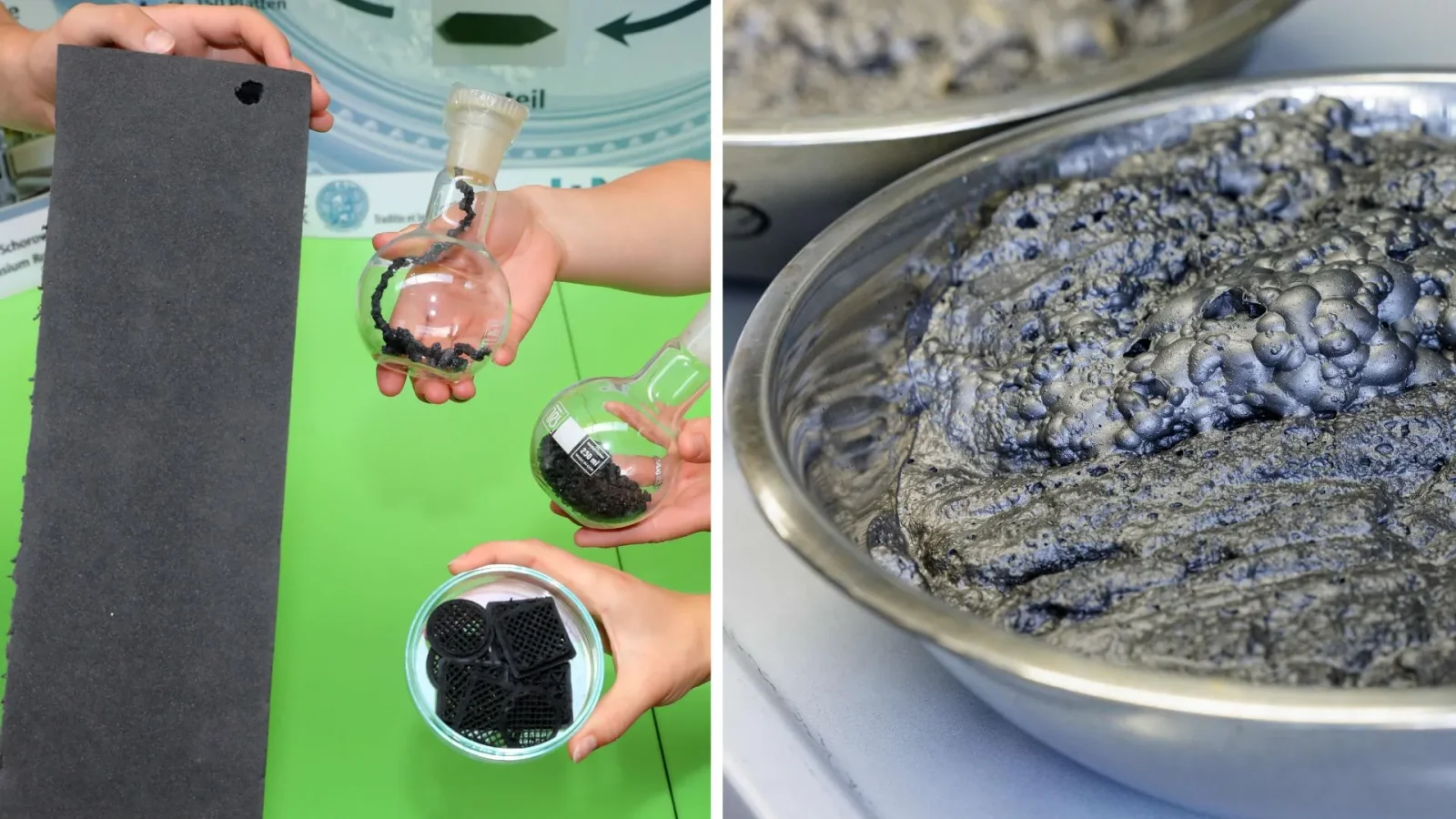
EU researchers in the Bio.3DGREEN project have created bio-based graphene foams from renewable precursors that are light, highly porous, and capable of absorbing shocks. The goal is a sustainable alternative for damping and lightweight structures in aerospace, automotive, and marine applications, with additive manufacturing in early stages due to processing challenges such as specialized pastes and laser optimization.
Hiroshima University researchers used additive manufacturing to produce tungsten carbide–cobalt cemented carbide via 3D printing, achieving hardness above 1,400 HV—far harder than common steels. The method softens alloy elements rather than fully melting them, delivering a tougher, more wear-resistant metal with less waste, with potential uses in repairing cracks and strengthening construction; the research will be published in the April 2026 issue of the International Journal of Refractory Metals and Hard Materials.
Researchers at Tsinghua University demonstrated DISH (Digital Incoherent Synthesis of Holographic light fields), a volumetric 3D printing method that projects a holographic light field into resin to solidify objects in 0.6 seconds with 19 μm resolution, bypassing layer-by-layer construction and enabling rapid, high-detail fabrication with potential applications in biomedicine, robotics, and microelectronics.
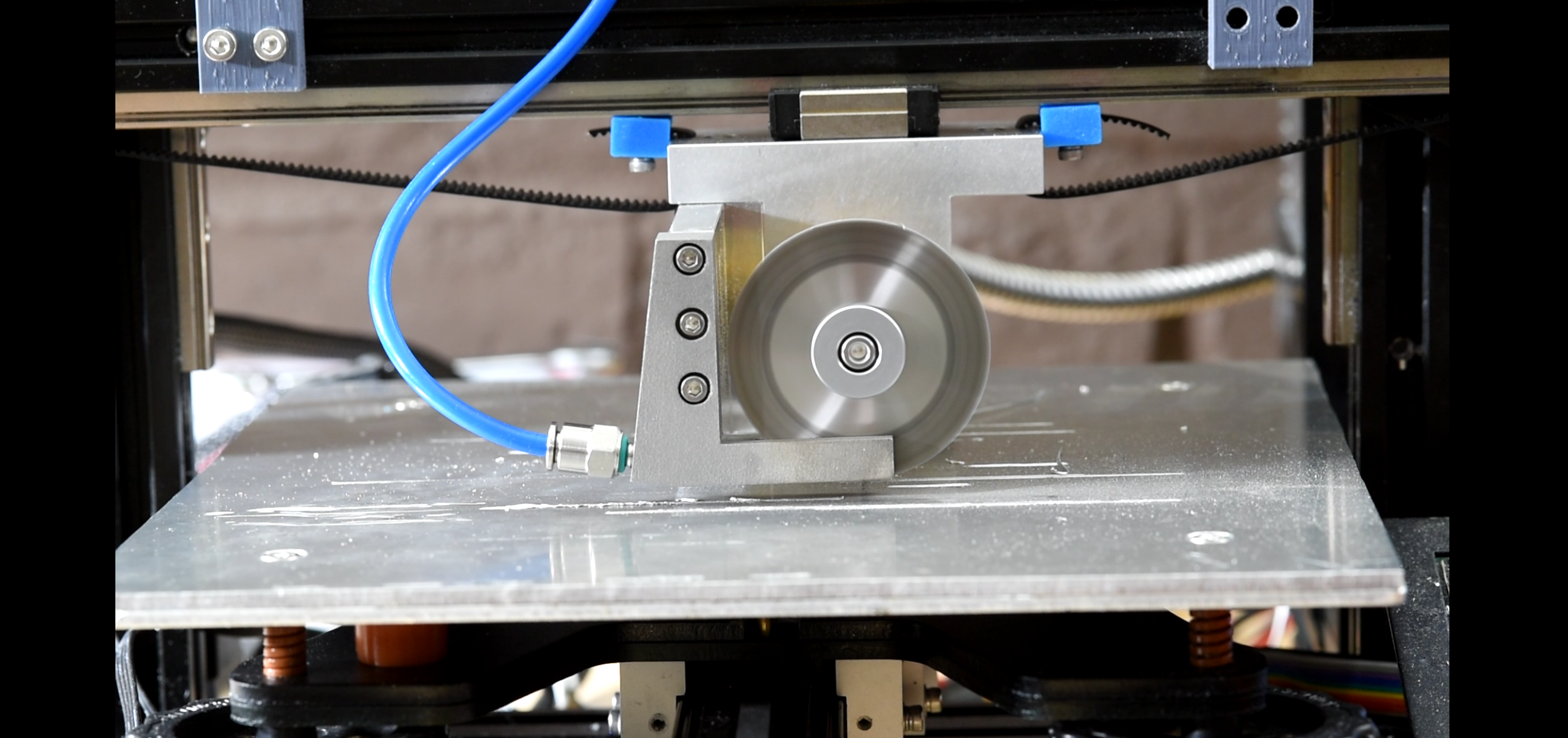
A hobbyist team has developed a method to print metal using a modified Ender 3 3D printer with a friction welding technique called FRAM, which avoids high temperatures and molten metals by using a spinning disk to generate friction, enabling safer and more accessible metal additive manufacturing.
Scientists have developed a new method using vat photopolymerization and hydrogels to grow metal structures that are 20 times stronger than traditional 3D-printed metals, overcoming previous limitations of porosity and shrinkage, though the process is currently time-consuming.
EPFL scientists developed a novel 3D printing method using hydrogels as templates to produce ultra-dense, strong metals and ceramics, which are significantly more durable and less prone to warping than traditional methods, with potential applications in energy, sensors, and biomedicine.
Ferrari's F80 supercar is the first to feature 3D-printed suspension components, utilizing laser-melted metal parts for weight reduction and design flexibility, signaling a shift towards advanced manufacturing in high-performance automotive design, with other luxury brands expected to follow.
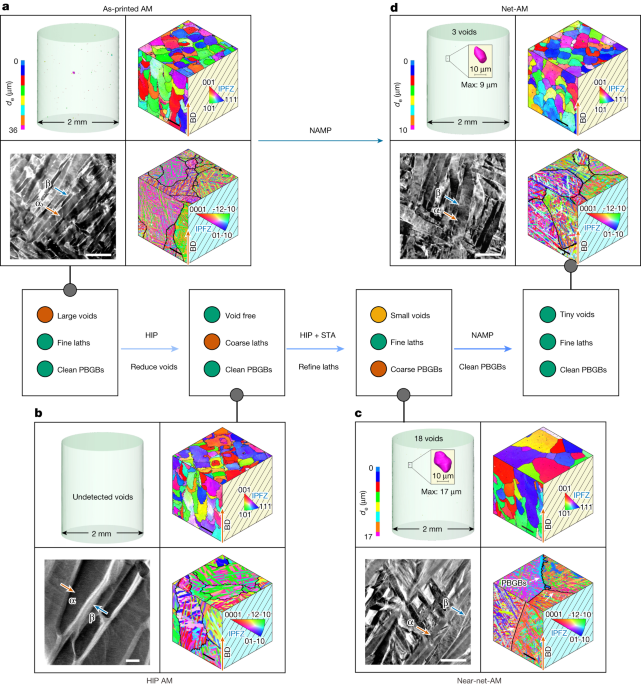
Researchers have developed a titanium alloy with high fatigue resistance using near-void-free 3D printing. The study includes extensive data and references, and the core data used for the study is available from the corresponding authors. The research was financially supported by various organizations, and the authors are affiliated with Shenyang National Laboratory for Materials Science and the School of Materials Science and Engineering at the University of Science and Technology of China.
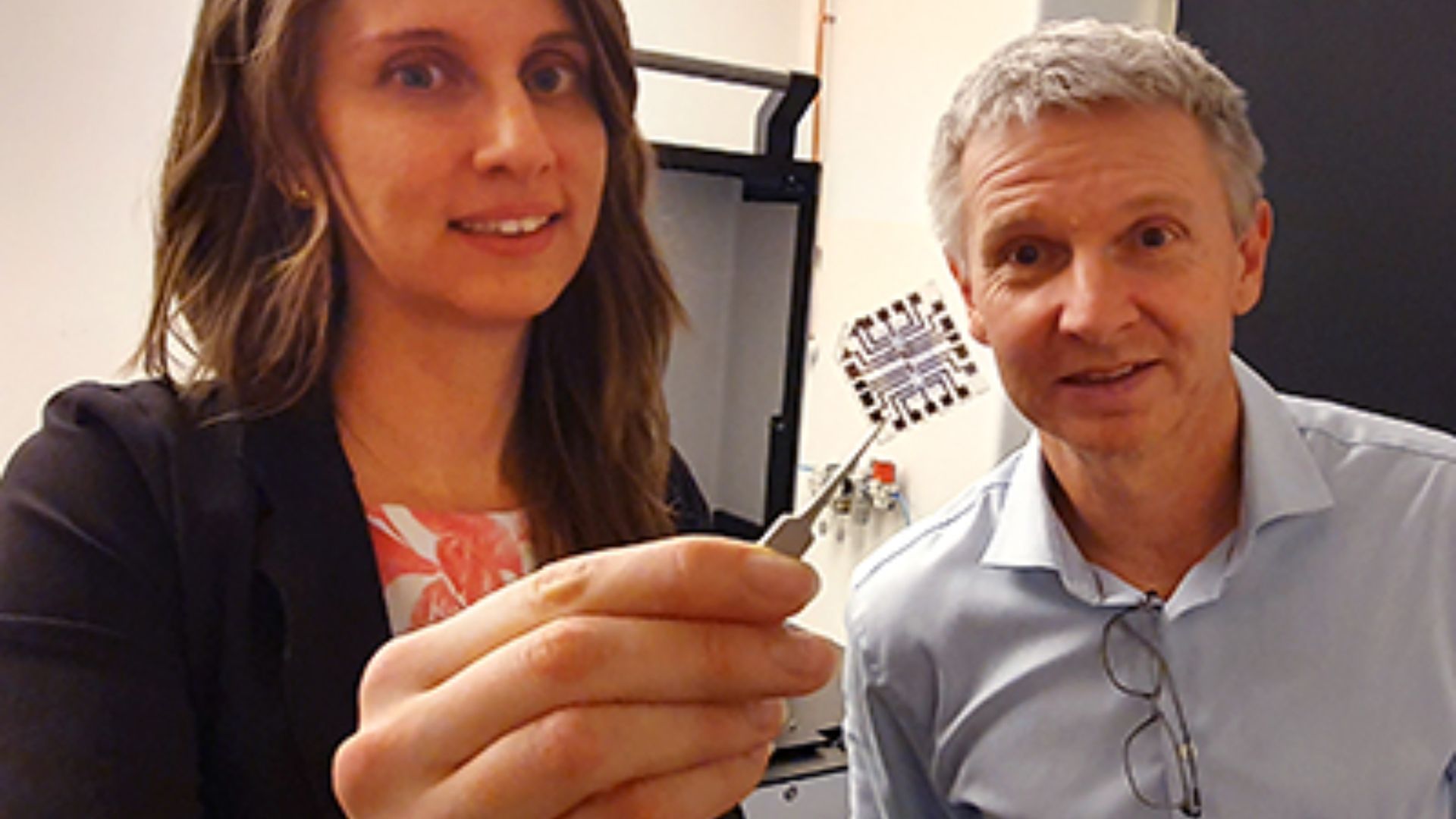
Researchers in Sweden have successfully hacked a 3D printer to function like a laser printer, enabling the printing of various polymers without the use of solvents or chemicals. This advancement in additive manufacturing could lead to rapid production of complex structures without the need for multiple components.
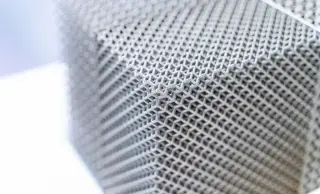
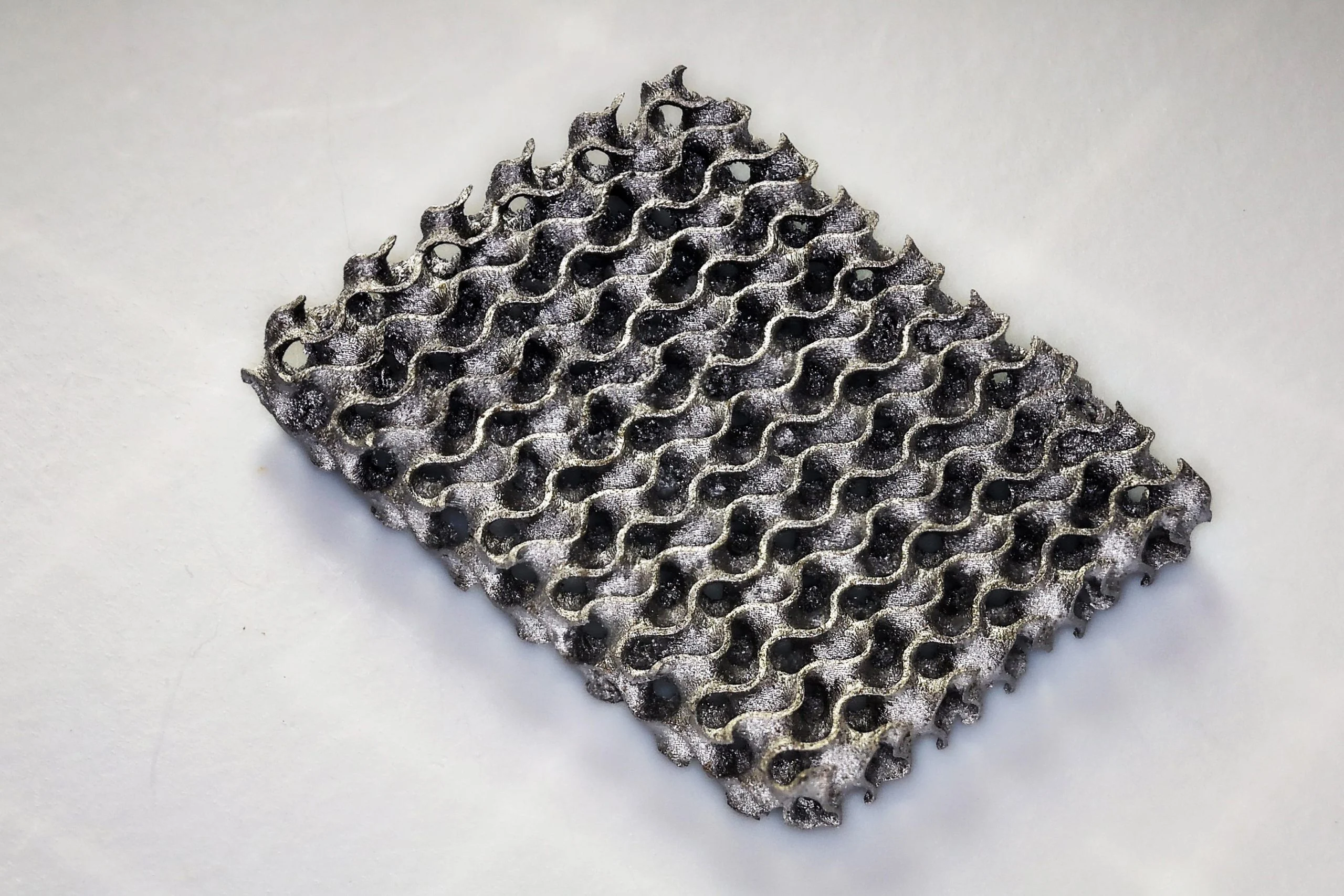
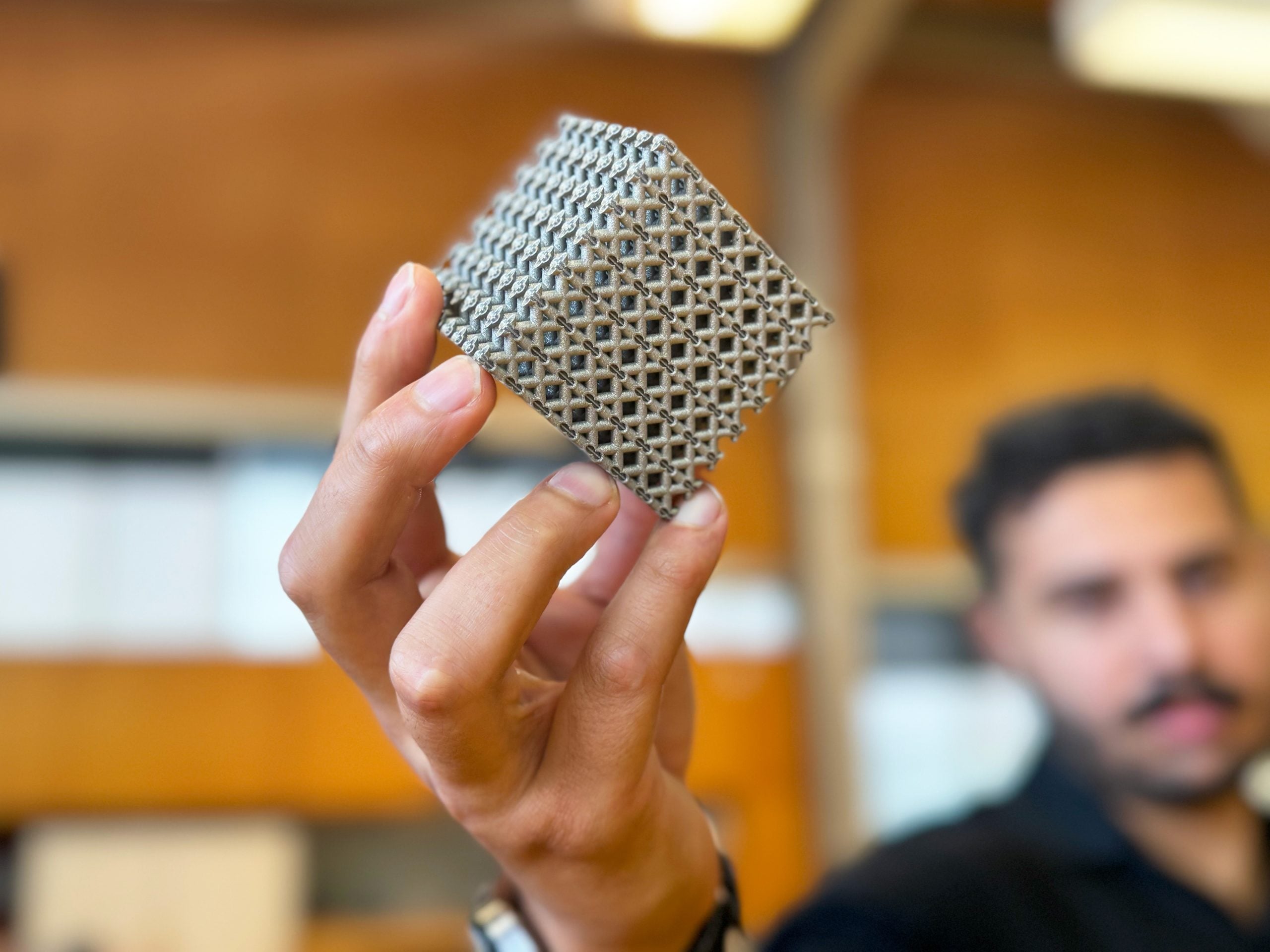
Researchers from RMIT University have developed a new 3D printed titanium lattice structure that is 50% stronger than the strongest alloy with similar density used in aerospace applications. The structure, a metamaterial, was created using a hollow-strut lattice design and additive manufacturing-driven approach, enabling it to evenly distribute load stress and enhance its strength and structural efficiency. The material offers potential applications in medical implants and aerospace components, and the researchers plan to further optimize it for higher-temperature environments. This development showcases the potential of 3D printing in creating highly durable metal lattices, with other research teams also exploring similar applications.
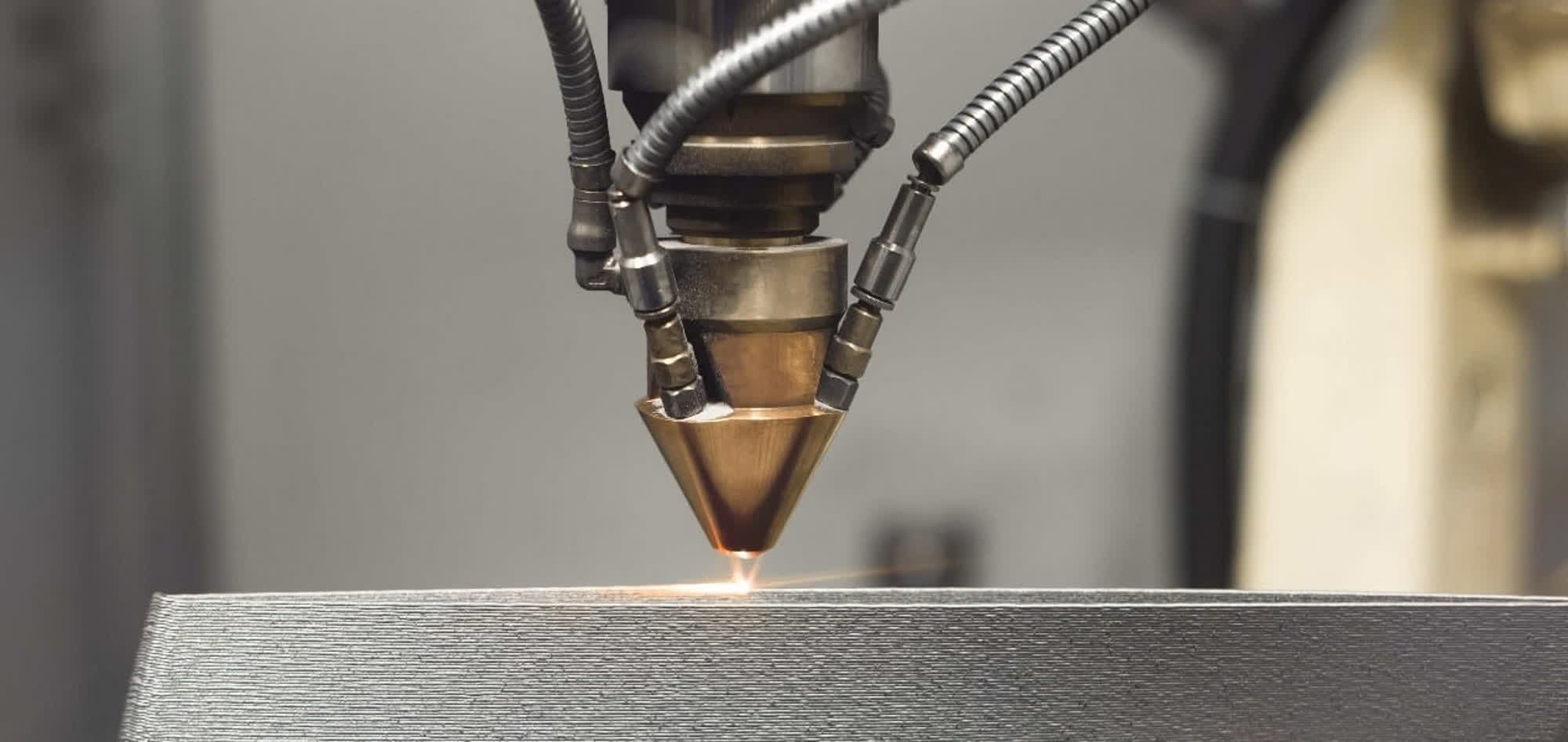
The Cygnus NG-20 spacecraft, currently docked with the International Space Station, is carrying an experimental 3D metal printer developed by Airbus for the European Space Agency. This printer, capable of melting stainless-steel wire to create objects, aims to address the technical challenges of metal 3D printing in space and could provide astronauts with resilience and self-sustainment capabilities on future space missions. The printer will test its performance in microgravity conditions by printing four shapes, which will be compared to reference prints created on Earth to understand how the space environment affects the printing process. This technology could potentially enable astronauts to repair or augment space structures on otherworldly settlements like the Moon or Mars, reducing the need for costly shipments of spare parts from Earth.
FiloBot, a plant-inspired robot developed by Emanuela Del Dottore and her team, mimics the growth patterns of climbing vines by utilizing plant behaviors such as phototropism and gravitropism. What sets FiloBot apart is its ability to self-assemble using additive manufacturing and dynamically adjust its growth trajectory in response to moving light intensity, without relying on preprogrammed movements.