Tag

Cost Effectiveness

All articles tagged with #cost effectiveness

Costliest chaos: ranking all 154 Premier League signings from the 2026 summer window
sports1 month ago

Costliest chaos: ranking all 154 Premier League signings from the 2026 summer window

An extensive cost-conscious ranking of 154 senior Premier League signings from the 2026 summer window, evaluating moves by price, impact, and positional need. From Chelsea’s Emiliano Martinez at No. 1 to astronomical fees like Enzo Fernandez’s Ā£125m to City and a raft of big-money and savvy-bargain moves, the piece highlights how the market blended blockbuster splashes with smart buys, while underscoring the subjectivity of cost-effectiveness in such a chaotic window.


ApoB Testing Could Sharpen Cholesterol Therapy Decisions
health3 months ago

ApoB Testing Could Sharpen Cholesterol Therapy Decisions

A Northwestern Medicine study in JAMA finds that apoB testing, which counts harmful cholesterol particles, better guides the decision to intensify cholesterol-lowering therapy than LDL or non-HDL testing, potentially preventing more heart attacks and strokes while remaining cost-effective for U.S. healthcare, based on a computer model comparing three strategies in 250,000 adults.

ApoB Blood Test Promises Better Heart-Health Guidance Than LDL
health5 months ago

ApoB Blood Test Promises Better Heart-Health Guidance Than LDL

A Northwestern Medicine study in JAMA finds apoB testing may more accurately identify cardiovascular risk than LDL or non-HDL cholesterol, and guiding cholesterol-lowering treatment with apoB could prevent more heart attacks and strokes at a cost-effective rate, based on a large lifetime simulation of 250,000 adults and intensified therapy with statins and ezetimibe.

ApoB testing could steer cholesterol care toward fewer heart attacks and strokes
health5 months ago

ApoB testing could steer cholesterol care toward fewer heart attacks and strokes

A Northwestern-led simulation study finds using apoB levels to guide cholesterol-lowering therapy may prevent more heart attacks and strokes over a lifetime and be cost-effective compared with LDL- or non-HDL-guided strategies, though apoB testing isn’t yet routine due to extra testing, cost, and current guideline adoption.

Antibiotics: A Safe, Cost-Effective Option for Treating Kids' Appendicitis
health1 year ago

Antibiotics: A Safe, Cost-Effective Option for Treating Kids' Appendicitis

A study published in the Journal of the American College of Surgeons finds that treating children with uncomplicated acute appendicitis using antibiotics alone is both cost-effective and safe compared to surgery. The research, which analyzed data from over 1,000 patients aged 7 to 17, showed that antibiotics resulted in lower costs and slightly better quality-adjusted life year scores than surgery. The study highlights antibiotics as a viable nonoperative management strategy, though it notes limitations such as a short follow-up period and regional data focus.

Walking Significantly Reduces Recurrence of Low Back Pain
health2 years ago

Walking Significantly Reduces Recurrence of Low Back Pain

A study published in The Lancet found that regular walking, combined with physiotherapist-guided education, can significantly reduce the recurrence of low back pain and is cost-effective. The Australian WalkBack program showed that participants who walked regularly had fewer repeat episodes and longer periods before recurrence compared to a control group. The study highlights the benefits of walking and education in managing low back pain, though further research is needed to evaluate its effectiveness across diverse populations.

Harnessing the Power of Food: Saving Lives and Billions
health3 years ago

Harnessing the Power of Food: Saving Lives and Billions

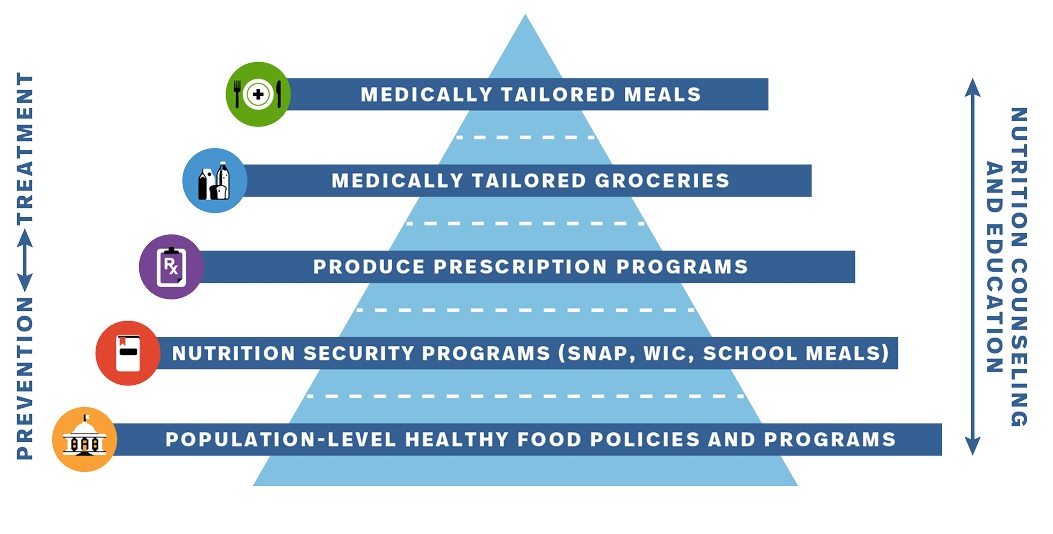
The "Food Is Medicine" (FIM) movement emphasizes the health effects of nutrition as a proper medical intervention, rather than treating food as a drug. A recent report from Tufts University highlights the cost-effectiveness of programs like medically tailored meals and nutritional support, which can save more money than they cost. These programs address chronic illnesses and poor nutrition, and the goal is to treat nutrition as a prescribed medical intervention covered by insurance. The studies estimate potential savings of billions of dollars in direct healthcare costs and improved health outcomes. The broader concept is that non-traditional interventions, such as optimal nutrition, can have a significant impact on health and should be evidence-based.