Tag

Clinical Guidelines

All articles tagged with #clinical guidelines

GLP-1 Switches Require Individualized Titration and Close Monitoring
health9 days ago

GLP-1 Switches Require Individualized Titration and Close Monitoring

Primary care providers are increasingly managing transitions between GLP-1 receptor agonists and dual incretin agents due to insurance changes, side effects, or efficacy issues. Experts emphasize that switching is not a simple swap; it requires careful planning around drug half-lives, individualized dose titration, and close monitoring for hypoglycemia. While these medications are highly effective, up to 15% of patients may see minimal results, and long-term success depends on combining medication with lifestyle changes.

Move More, Improve Heart Health: Exercise Benefits Obesity Beyond Weight Loss
health4 months ago

Move More, Improve Heart Health: Exercise Benefits Obesity Beyond Weight Loss

A new scientific statement emphasizes that physical activity improves major cardiovascular risk factors—blood pressure, insulin resistance, and cholesterol—independently of weight loss, underscoring its value in obesity treatment. While exercise alone has a modest impact on body weight, combining activity with interventions such as bariatric surgery and GLP-1 therapies can enhance outcomes. Clinicians are encouraged to use evidence-based approaches like the 5A model (assess, advise, agree, assist, arrange) and to emphasize that 'some is better than none' to engage physically inactive patients.

Arm position can inflate blood pressure readings, Johns Hopkins study finds
health5 months ago

Arm position can inflate blood pressure readings, Johns Hopkins study finds

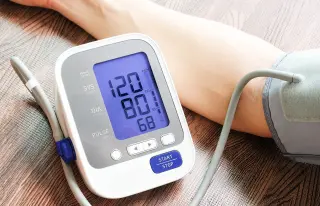
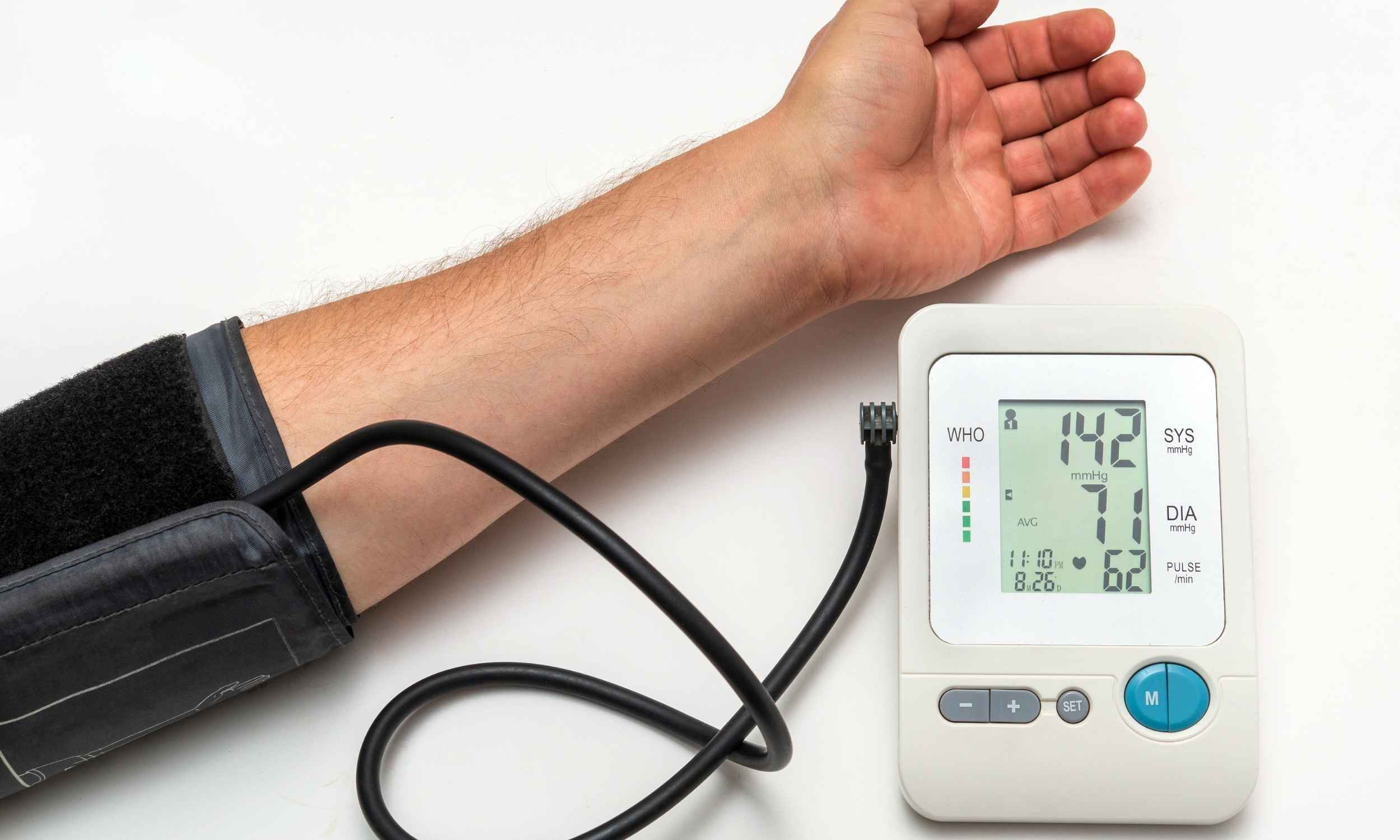
A Johns Hopkins crossover study shows that arm posture during blood pressure checks—in particular dangling or unsupported arms—can raise readings by as much as about 7 mmHg compared with a desk-supported posture, potentially shifting a patient from elevated to stage 2 hypertension. The findings suggest that proper desk-level arm support, correct cuff sizing, and clear in-clinic reminders could improve accuracy and prevent misdiagnoses and unnecessary treatments, both in clinics and at home.

"Balancing Statin Risks: Diabetes Concerns vs. Cardiovascular Benefits"
health2 years ago

"Balancing Statin Risks: Diabetes Concerns vs. Cardiovascular Benefits"

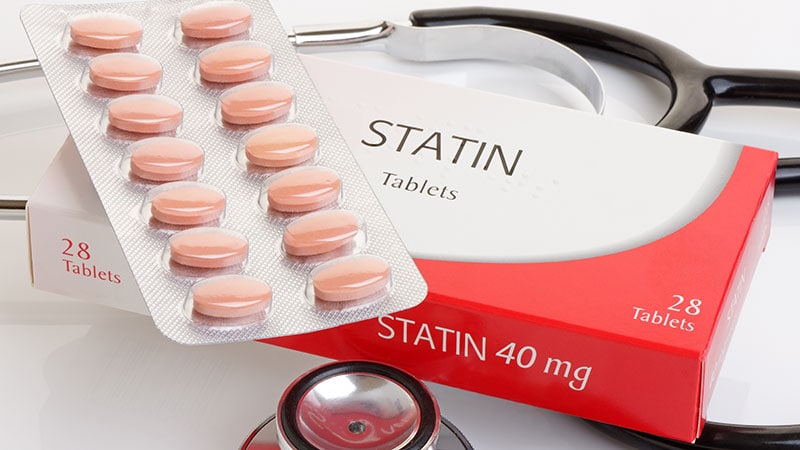
A new analysis of 23 randomized trials involving 154,664 individuals suggests that statin therapy increases the risk of developing type 2 diabetes, particularly among those with elevated glucose levels, but the cardiovascular benefits of statins outweigh this risk. The study found that statins raise glucose levels and the risk of diabetes, but the benefits on major vascular events outweigh these risks. The authors recommend continued screening for diabetes and associated risk factors, as well as monitoring glycemic control according to current clinical guidelines. The findings emphasize the importance of holistic care and promoting strategies to prevent or delay diabetes in individuals prescribed statins.

"Simple Diet Swap: A Powerful Solution for Lowering Blood Pressure and Preventing Heart Attacks"
health2 years ago

"Simple Diet Swap: A Powerful Solution for Lowering Blood Pressure and Preventing Heart Attacks"

Research suggests that switching to potassium-enriched salt can effectively reduce blood pressure and lower the risk of heart attacks and strokes. Potassium-enriched salt works by reducing sodium intake and increasing potassium intake, addressing two major causes of high blood pressure. However, current clinical guidelines for managing hypertension do not consistently recommend its use. Efforts are underway to update guidelines and promote the accessibility of potassium-enriched salt, with the potential to significantly improve global public health.

"Potassium-Enriched Salt: A Game-Changer in Hypertension Treatment Guidelines"
health2 years ago

"Potassium-Enriched Salt: A Game-Changer in Hypertension Treatment Guidelines"

An international panel of experts has suggested the inclusion of low-sodium potassium-enriched salt in hypertension therapy guidelines, citing its potential to address high blood pressure and reduce the risk of stroke and heart disease. Despite evidence of its health benefits, current clinical guidelines offer incomplete and inconsistent recommendations about the use of these salt substitutes. The experts emphasize that potassium-enriched salt can be a game-changer in reducing salt intake and call for its inclusion in treatment guidelines to combat uncontrolled high blood pressure and prevent millions of strokes and heart attacks every year.

Waist-Hip Ratio: A Superior Predictor of Mortality Compared to BMI
health3 years ago

Waist-Hip Ratio: A Superior Predictor of Mortality Compared to BMI

Waist-hip ratio (WHR) is a stronger predictor of all-cause mortality compared to body mass index (BMI), according to a cohort study analyzing data from the UK Biobank. The study found that WHR had the most consistent association with mortality and was unaffected by BMI. The association between WHR and mortality was linear, while BMI and fat mass index (FMI) showed a J-shaped association. The study suggests that current BMI recommendations may not be accurate for individuals with different body compositions, highlighting the need for improved clinical guidelines.

Optimal buprenorphine doses enhance treatment retention for opioid use disorder
health3 years ago

Optimal buprenorphine doses enhance treatment retention for opioid use disorder

A study funded by the National Institute on Drug Abuse (NIDA) suggests that higher doses of buprenorphine may improve retention in treatment for opioid use disorder. The study, conducted in Rhode Island from 2016 to 2020, found that individuals prescribed a lower dose of buprenorphine were 20% more likely to discontinue treatment compared to those on a higher dose. The findings highlight the need to reevaluate clinical guidelines for opioid addiction treatment, particularly in the context of the fentanyl crisis. The study supports the growing evidence that higher doses of buprenorphine are safe and effective in reducing opioid use and improving treatment outcomes.