Tag

Cryobiology

All articles tagged with #cryobiology

How Barnacles, Mussels, and Tardigrades Evolved to Withstand Freezing in Cold Oceans
science9 days ago

How Barnacles, Mussels, and Tardigrades Evolved to Withstand Freezing in Cold Oceans

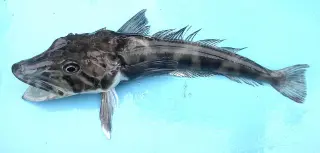
Several marine species, including acorn barnacles, bay mussels, Antarctic icefish, Sitka periwinkles, and marine tardigrades, have evolved distinct mechanisms to survive freezing temperatures that would typically destroy cellular structures. While barnacles and mussels tolerate ice formation through specific cellular adaptations and timing, icefish prevent freezing entirely using antifreeze glycoproteins. Tardigrades survive only during specific resting stages, and snails adjust their internal chemistry and behavior seasonally to endure winter conditions in the Pacific Northwest and Alaska.
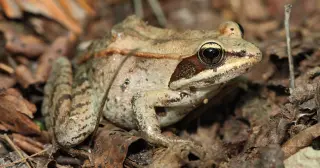

Wood Frog Freeze-Tolerance Techniques Extend Human Organ Viability for Transplants
science2 months ago

Wood Frog Freeze-Tolerance Techniques Extend Human Organ Viability for Transplants

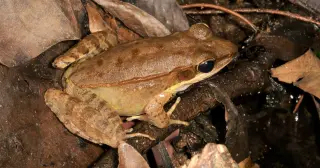
Researchers are adapting the wood frog’s ability to survive freezing to extend the viability of human organs for transplant. By mimicking the frog’s use of glucose as an antifreeze and controlled ice formation, scientists have significantly increased the storage time for livers and kidneys, potentially reducing the urgency of organ transplants and improving outcomes for patients on waiting lists.

Ancient Siberian Nematode Revived After 46,000 Years of Permafrost Slumber
science3 months ago

Ancient Siberian Nematode Revived After 46,000 Years of Permafrost Slumber

Researchers have successfully revived a microscopic nematode from Siberian permafrost that had been frozen for approximately 46,000 years. The organism, identified as a new species named Panagrolaimus kolymaensis, entered a state of cryptobiosis to survive extreme conditions. By producing the sugar trehalose, the worm protected its cells and DNA from degradation. Although the original specimen died shortly after thawing, it reproduced asexually, allowing scientists to cultivate over 100 generations in a laboratory setting. This discovery highlights the resilience of certain microscopic life forms and offers insights into evolutionary adaptations for surviving long periods of environmental stress.

Wood frogs pull off a winter freeze—icing up most of their body water and rebooting in spring
science5 months ago

Wood frogs pull off a winter freeze—icing up most of their body water and rebooting in spring

Wood frogs can freeze about 65% of their body water as extracellular ice each winter, stopping heartbeat and breathing for months; they survive by keeping cells intact, then thaw and restart life in spring, aided by high blood glucose that acts as a natural cryoprotectant—researchers hope to apply this to organ banking and cryopreservation.

"Expert Predicts Frozen Humans Revived in 50-70 Years"
science-and-technology3 years ago

"Expert Predicts Frozen Humans Revived in 50-70 Years"

An expert claims that frozen humans could be brought back to life in 50 to 70 years, citing the successful resurrection of a 46,000-year-old worm found in Siberian permafrost. However, the process would require significant advancements in medicine and tissue engineering. Cryoprotectant agents currently used in cryonic technology have toxic effects on the brain and body, making them insufficient for human revival. The ability to revive cryopreserved individuals could have profound philosophical, ethical, and medical implications, potentially offering an alternative to death for patients with terminal diseases.