Tag

Crystal Growth

All articles tagged with #crystal growth

Dolomite Mystery Cracked: Lab-Grown Crystals Form by Dissolving Defects
science1 month ago

Dolomite Mystery Cracked: Lab-Grown Crystals Form by Dissolving Defects

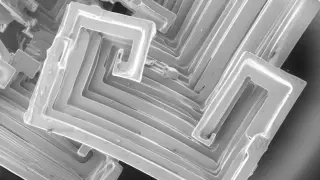
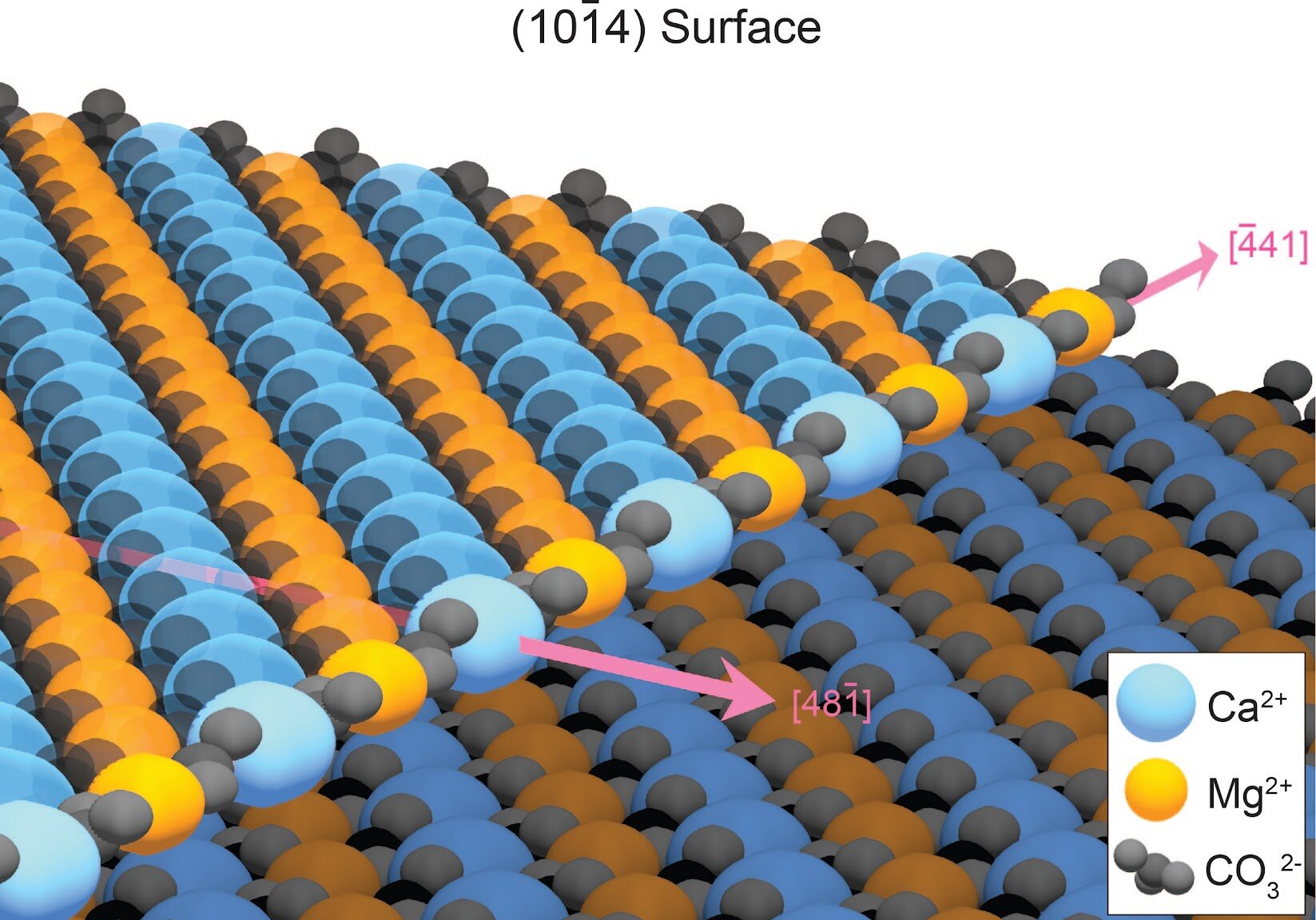
Researchers from the University of Michigan and Hokkaido University have solved the two-century Dolomite Problem by showing that dolomite growth is defect-limited and those defects can be dissolved away, mimicking natural weathering. Using atomic-scale simulations and pulsed electron-beam dissolution, they grew dolomite to about 100 nanometers (roughly 300 layers), a dramatic advance from previous attempts. This breakthrough not only explains dolomite abundance in ancient rocks but also offers a new approach to defect-free crystal growth for modern technologies like semiconductors, solar cells, and batteries.

Revolutionary Theory Redefines Crystal Formation in Chemistry
science1 year ago

Revolutionary Theory Redefines Crystal Formation in Chemistry

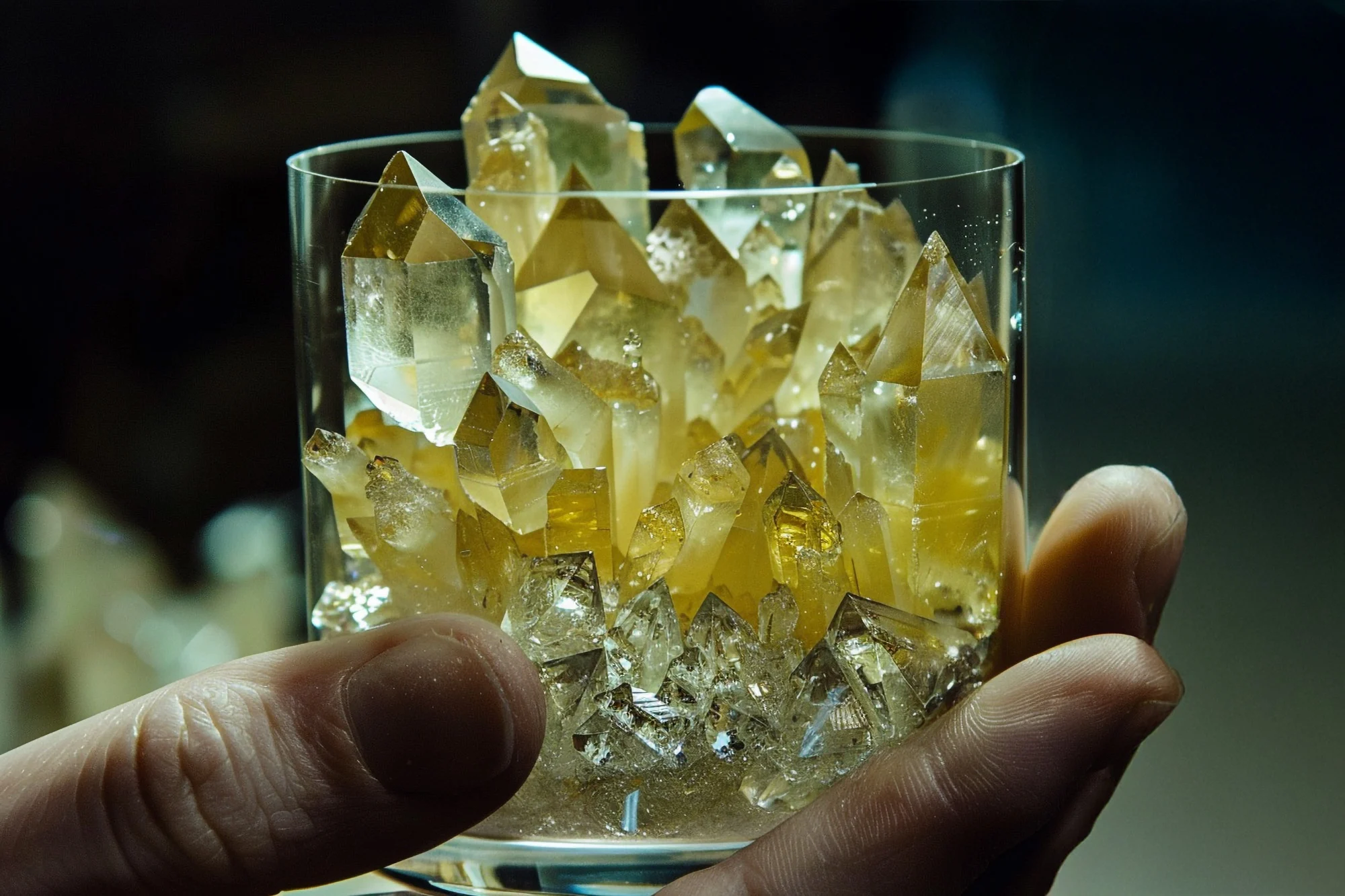
A new theory in crystallization suggests that the solvent, rather than the solute, plays the primary role in crystal formation. This challenges traditional views and has implications for fields like medicine and technology. The theory, developed by James Martin, describes crystallization as a two-step process involving a melt-like intermediate that organizes into a crystal structure. This approach could improve predictions of crystal growth and help in applications such as drug development and preventing kidney stones.

Advancements in Dolomite Growth: Dissolving Defects for Successful Lab Cultivation
science-and-technology2 years ago

Advancements in Dolomite Growth: Dissolving Defects for Successful Lab Cultivation

Scientists have successfully grown dolomite in the lab for the first time by dissolving structural defects during growth. Dolomite, a key mineral found in various geological formations, has been a challenge to grow in the lab due to the formation of defects that hinder its growth. By removing these defects, researchers were able to simulate dolomite growth over geologic timescales. The findings have implications for the production of high-quality materials in fields such as semiconductors, solar panels, and batteries.