Tag

Deep Sea Biology

All articles tagged with #deep sea biology

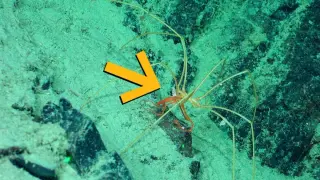
Antarctic Whale Fall Reveals Hidden Deep-Sea Food Web
science1 month ago

Antarctic Whale Fall Reveals Hidden Deep-Sea Food Web

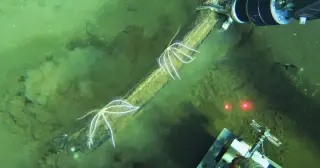
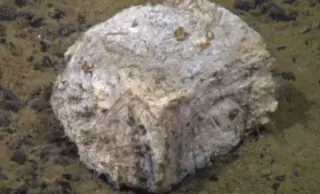
A 10.7-meter Antarctic minke whale skeleton found at 1,444 meters near the South Sandwich Islands marks the first natural whale fall observed in Antarctic waters. In the sulfophilic stage, bacteria on decomposing bones generate chemical energy that sustains a new deep-sea community, including nine previously unknown species and bone-eating Osedax worms, with colonization linked to bone lipid content via the oil-gradient hypothesis. The ecosystem is powered by chemosynthesis rather than sunlight, and decomposition can take years to decades; researchers also note unresolved questions on how such isolated prey sources are located in the vast ocean and how whale falls connect to hydrothermal-vent habitats in polar regions.

First Live Sighting Reframes the Ginkgo-Toothed Beaked Whale’s Range
science2 months ago

First Live Sighting Reframes the Ginkgo-Toothed Beaked Whale’s Range

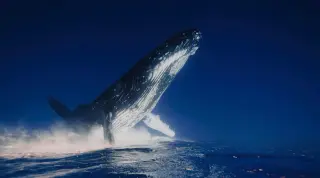
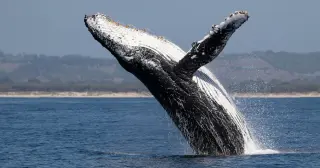
Scientists confirmed the first live sighting of the ginkgo-toothed beaked whale (Mesoplodon ginkgodens) off Baja California in 2024 after a five-year search tracking a distinctive BW43 call. Using hydrophones aboard the Pacific Storm, researchers observed a young whale with an adult male, collected a skin biopsy that DNA analysis confirmed the species, and concluded the whales likely inhabit California and northern Baja waters year‑round, prompting a reassessment of the species’ range and highlighting beaked whales’ sensitivity to sonar.

Deep-Sea Larvae Unveil Hybrid Photoreceptors, Redefining Twilight Vision
science3 months ago

Deep-Sea Larvae Unveil Hybrid Photoreceptors, Redefining Twilight Vision

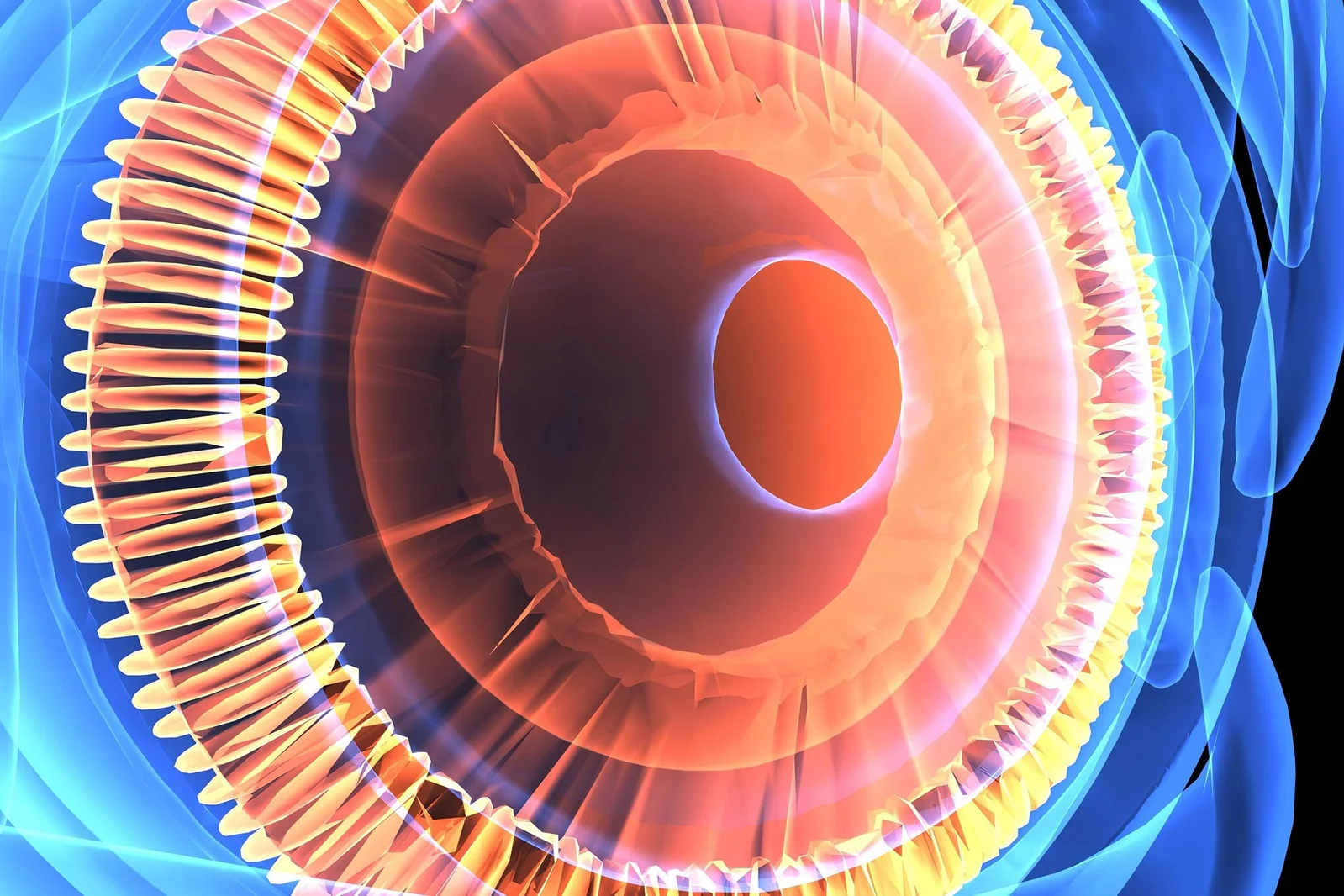
Researchers have identified a previously unknown photoreceptor in larval deep-sea fish that combines cone-like molecular machinery with rod-like structure, creating a twilight-optimized cell that challenges the long-held view that vertebrate vision relies solely on cones for bright light and rods for darkness. The finding, observed in Maurolicus muelleri and Maurolicus mucronatus larvae, could inform low-light imaging technologies and offer new avenues for understanding human eye conditions such as glaucoma.