Tag

Carbon Sequestration

All articles tagged with #carbon sequestration

Heat Halts Tree Growth in Summer, Clouding Forests’ Climate Role
climate-change1 day ago

Heat Halts Tree Growth in Summer, Clouding Forests’ Climate Role

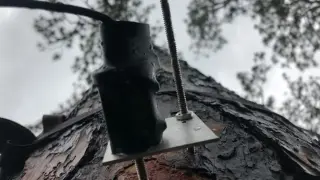
A multinational study using point dendrometers and 75 years of data finds that many oaks stop producing woody biomass by mid-summer even as photosynthesis continues, meaning forests may absorb less CO2 than climate models assume. Eastern oaks absorbed 36% of their carbon without growth, California oaks 26%, suggesting a decoupling of growth from photosynthesis under hot, dry conditions. The results could prompt revisions to how forests are represented in climate projections and call for broader testing across species and ecosystems.

China’s Great Green Wall Grows Fast, Yet Long-Term Carbon Storage Remains Unclear
environment6 days ago

China’s Great Green Wall Grows Fast, Yet Long-Term Carbon Storage Remains Unclear

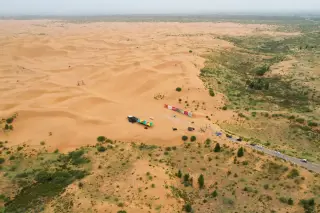
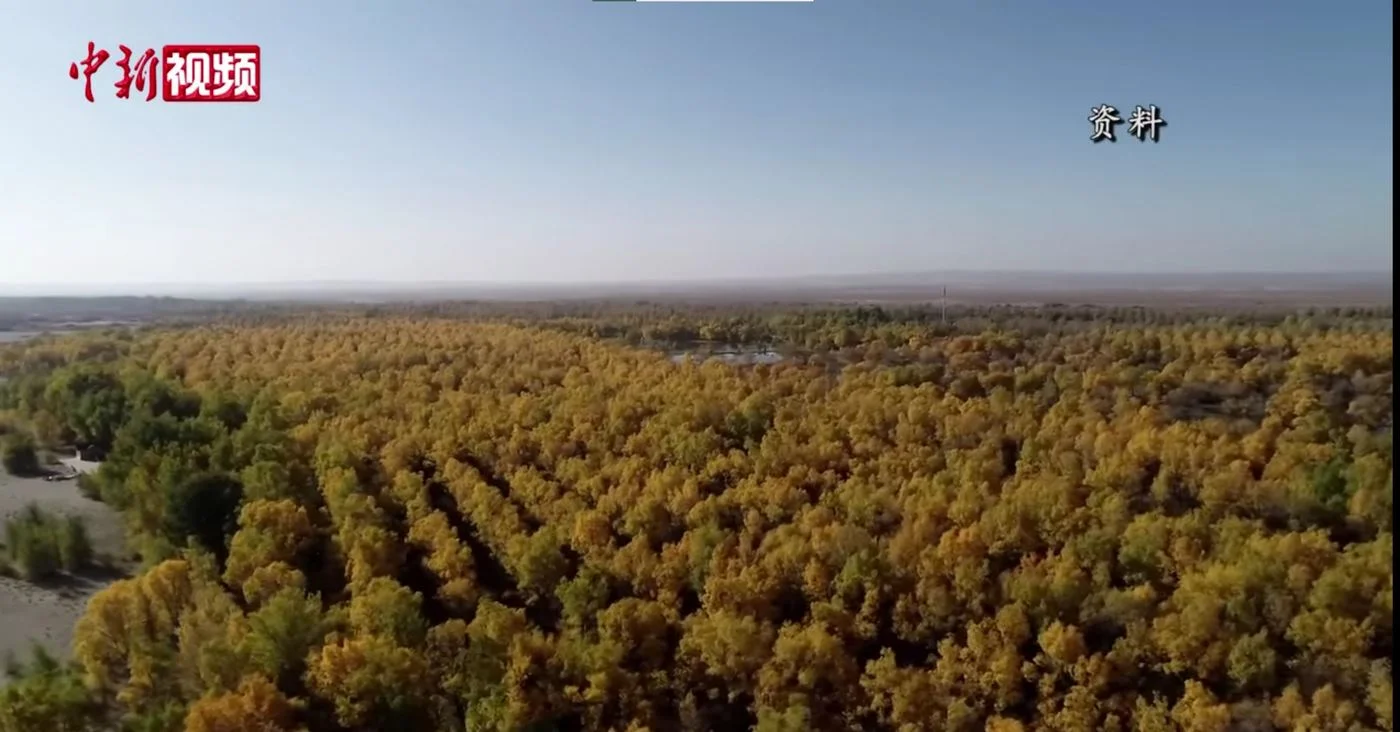
New research using satellite data finds China’s Great Green Wall—the forest belt along the Gobi and Taklamikan deserts—lets planted trees accumulate leaf area 66% faster than natural forests, with about a 4.6% edge when age- and condition-matched; the advantage peaks around 30–40 years old and then fades. While planted forests gain carbon quickly and the project has expanded regional forest cover and reduced dust, natural forests remain superior for long-term carbon storage, raising questions about the wall’s climate benefits despite local air and dust-reduction gains.

China's Great Green Wall Grows Fast, But Its Climate Promise Is Complex
environment7 days ago

China's Great Green Wall Grows Fast, But Its Climate Promise Is Complex

China’s 66‑billion‑tree Great Green Wall across the Gobi and Taklamakan deserts has expanded forest cover and reduced dust, but a Geophysical Research Letters study finds planted forests grow canopy 66% faster than natural forests and about 4.6% faster when age‑matched, with the biggest gains around 30–40 years before tapering. While planted forests offer strong short‑term carbon uptake, natural forests provide longer‑term storage and resilience, raising questions about the wall’s long‑term climate impact and how these artificial forests should be accounted for in carbon models.

China’s Great Green Wall: planted forests outpace natural forests in leaf growth
science11 days ago

China’s Great Green Wall: planted forests outpace natural forests in leaf growth

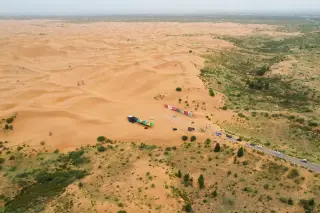
A satellite-based study finds that the 66‑billion-tree Great Green Wall in China is growing its canopy 66% faster than natural forests, likely because planted forests are younger, actively managed for rapid growth, and benefit from CO2 fertilization; while planted forests provide a strong short‑term boost to carbon uptake, natural forests tend to store more carbon long-term, underscoring the need to tailor reforestation—considering species, age and management—for climate benefits.

Indian Ocean whale graveyard unlocks vast deep-sea ecosystems
science1 month ago

Indian Ocean whale graveyard unlocks vast deep-sea ecosystems

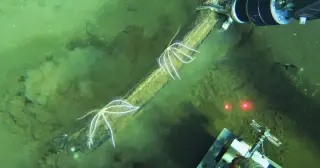
Chinese researchers using the Fendouzhe submersible documented what appears to be the world’s largest whale graveyard in the Indian Ocean’s Diamantina Zone, with about 485 fossil skeletons and an estimated 10 million carcasses over a 1,200-km area, dating as far back as 5.3 million years. The site supports vibrant deep-sea life around whale falls and stores roughly 6.7 million tonnes of carbon, linking these events to hydrothermal-vent ecosystems and offering new insights into whale evolution; the team also identified a new whale species.

Working Forests: A long-term blueprint for climate, biodiversity, and wood
environment3 months ago

Working Forests: A long-term blueprint for climate, biodiversity, and wood

The article argues that 'working forests' are managed for the long term, replanting more than they harvest (over 1 billion seedlings annually) and coordinating foresters, ecologists, and engineers to provide renewable wood while protecting soil, water, and wildlife. It notes carbon dynamics: younger, actively managed forests sequester CO2 more quickly, and carbon stays stored in wood products after harvest; harvest cycles span 25–60 years. It describes a 'shifting mosaic' of preserved and actively managed areas to boost biodiversity and resilience, including wildfire risk reduction through thinning and prescribed practices. The message is that sustainable forest management is a spectrum that can be both economically viable and ecologically sound.

Desert-Encircling Forests Turn Taklamakan into Carbon Sink, NASA-Caltech Reveal
world4 months ago

Desert-Encircling Forests Turn Taklamakan into Carbon Sink, NASA-Caltech Reveal

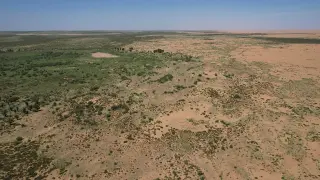
China’s Green Great Wall around the Taklamakan Desert has grown about 66 billion trees since 1978, transforming barren land into a carbon sink and modestly lowering regional CO2 as NASA-Caltech satellite data show atmospheric carbon dropping from 416 to 413 ppm; the effort demonstrates the potential of large-scale tree planting to reclaim desert landscapes, though global CO2 remains high and land available for forests is limited.

Bio-Printed, Self-Healing Building Material That Grows and Captures Carbon
science4 months ago

Bio-Printed, Self-Healing Building Material That Grows and Captures Carbon

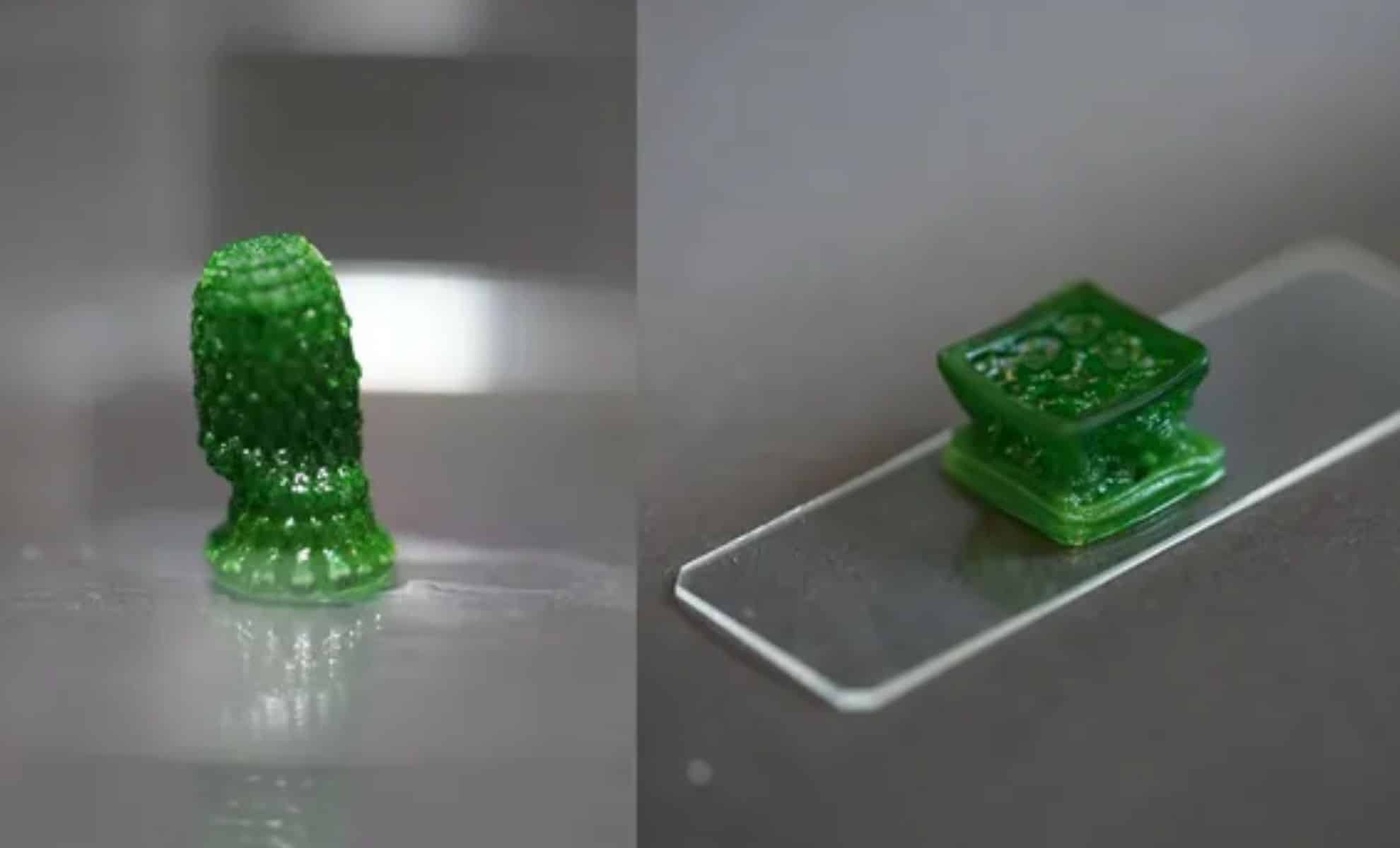
Scientists have created a 3D-printed hydrogel embedded with cyanobacteria that can grow, sequester CO2, and precipitate calcium carbonate to potentially reinforce structures. Lab data over 400 days show cumulative CO2 capture of 26 ± 7 mg per gram of hydrogel (with 2.2 ± 0.9 mg/g in the first 30 days); the material remains viable under light and nutrient conditions and can be printed for architectural scale. An installation at the Venice Biennale demonstrates the concept in practice, but the researchers caution that at current scales the climate impact is uncertain and long-term (decades) performance remains to be proven, with the material’s efficiency limited by light access and maintenance needs.

Ancient Earth Warming Halted Plant Growth and Carbon Absorption
science7 months ago

Ancient Earth Warming Halted Plant Growth and Carbon Absorption

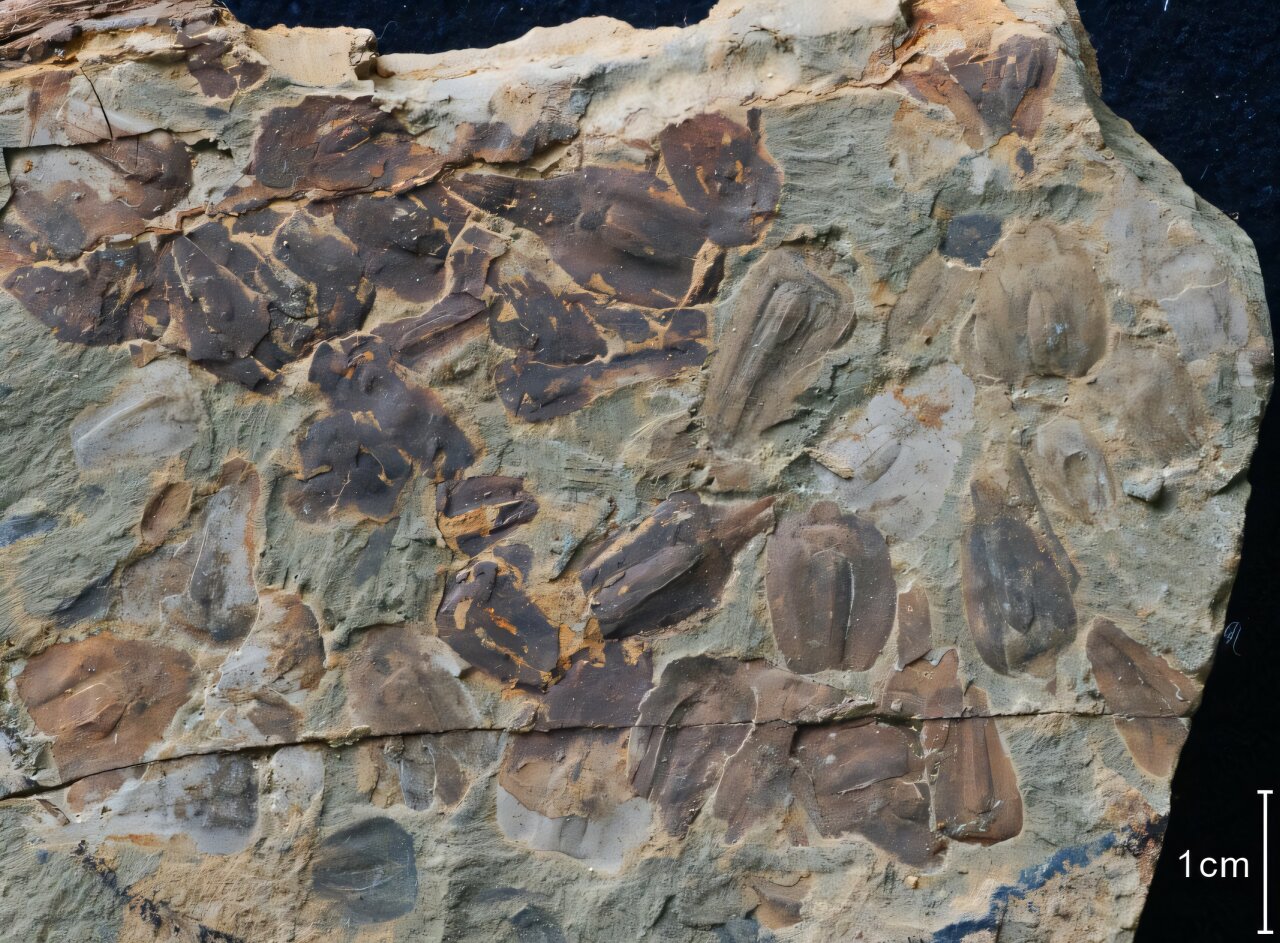
Around 56 million years ago, a rapid and intense global warming event caused significant changes in Earth's vegetation, with drought-resistant plants thriving at mid-latitudes and increased biomass in high-latitudes, but overall reducing the planet's capacity to sequester carbon, which prolonged the warming period. Modern warming, occurring ten times faster, may pose even greater challenges for plant adaptation and climate regulation.

Harnessing Plankton and Whale Feces to Tackle Oceanic Carbon Emissions
science1 year ago

Harnessing Plankton and Whale Feces to Tackle Oceanic Carbon Emissions

Researchers at Dartmouth College have developed a method to enhance the ocean's natural carbon sequestration process by using clay dust to convert carbon into food for zooplankton. This process accelerates the biological pump, as zooplankton consume the clay-carbon flocs and excrete them at lower ocean depths, effectively storing carbon for millennia. The technique, which could capture up to 50% of carbon released by dying phytoplankton, is set to be field-tested off Southern California's coast.

Mars Minerals Suggest Liquid CO₂ May Have Hosted Ancient Life
science1 year ago

Mars Minerals Suggest Liquid CO₂ May Have Hosted Ancient Life

A new study suggests that some minerals on Mars may have formed in liquid carbon dioxide (CO2) rather than water, challenging the prevailing view that water was the primary liquid on ancient Mars. The research, led by Michael Hecht, explores how liquid CO2 could have contributed to the planet's geomorphological and mineralogical features, citing recent carbon sequestration studies that show similar mineral alterations in liquid CO2. The study calls for further research to test these reactions under conditions similar to early Mars.