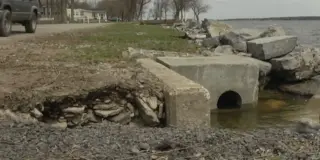
After seven years, the town of Lyme, NY was approved $156,000 in FEMA post-disaster funding to reimburse repairs from the 2019 storms that damaged shoreline and left two roads unusable; the aid will cover expenses already paid by the town and will enable the backlog of paving projects to proceed.
A coalition of 25 Democratic attorneys general led by California’s Rob Bonta filed a federal lawsuit in Rhode Island alleging DHS and FEMA unlawfully conditioned more than $740 million in disaster-preparedness and counter-terrorism grants to push the White House’s political priorities, including voter-citizenship verification and post-election audits, and threatened to withhold funds or cancel grants for not aligning with agency goals, targeting ICE cooperation; the suit follows earlier challenges to similar grant terms, while FEMA defends the measures as protecting election security and infrastructure.
A Trump-created FEMA Review Council approved a sweeping plan to overhaul disaster aid, proposing faster payments and weather-based criteria for aid instead of damage estimates, a higher household aid cap, and streamlined assistance—reforms that would still require Congress and a presidential decision on appointing a permanent FEMA administrator.
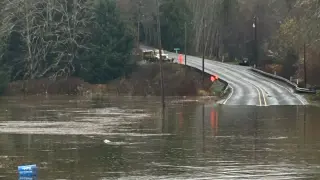
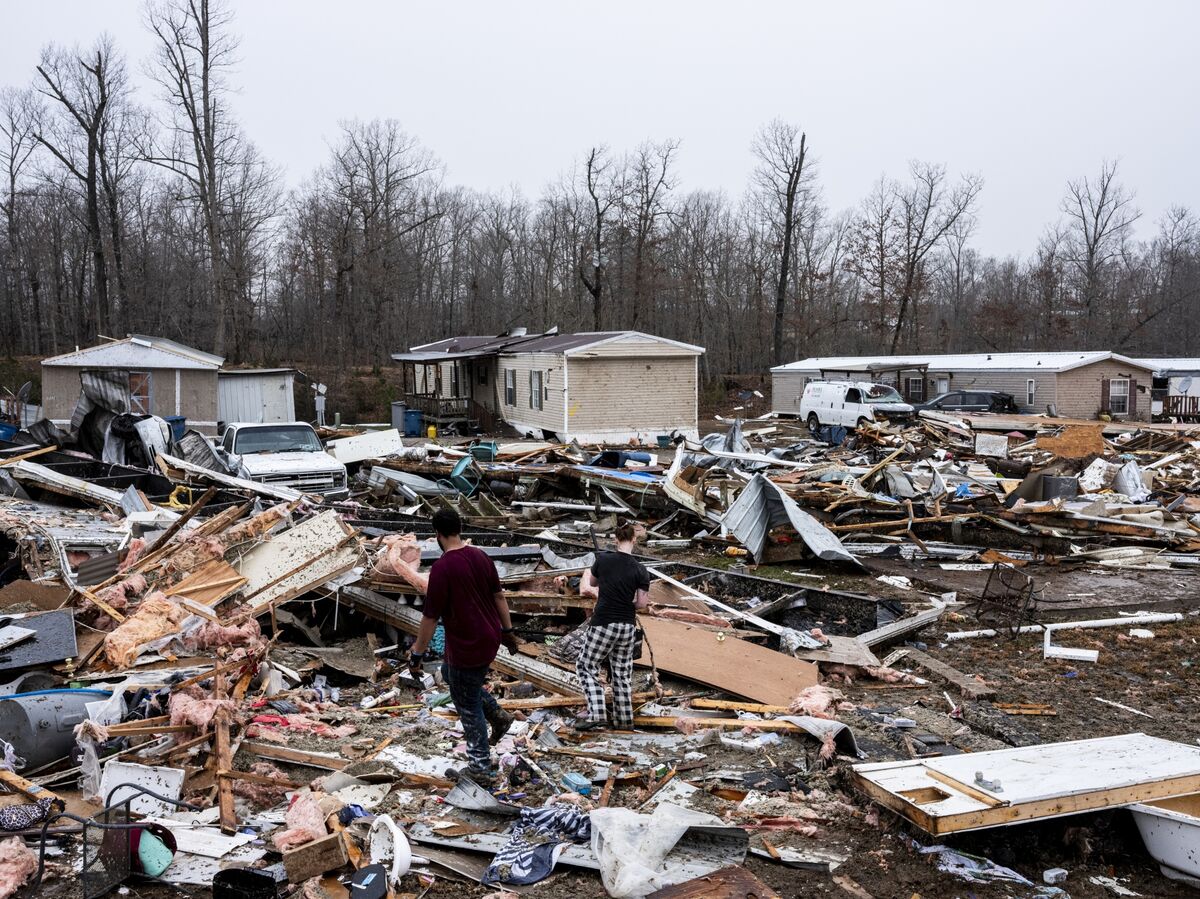
FEMA announced federal disaster assistance for Washington state for damages from Dec. 5–19, 2025, including storms, winds, flooding, landslides and mudslides, with aid available to individuals (grants for housing and repairs, loans) and to state/tribal/local governments and certain nonprofits through Public Assistance. Applications can be made at DisasterAssistance.gov or by calling 1-800-621-3362, with timelines varying as funds move from federal to state to local agencies. John F. Harrison was named federal coordinating officer. Local leaders in Whatcom County emphasize that aid helps but isn’t a complete solution amid ongoing recovery, and residents are urged to keep receipts and documentation for reimbursement.
A Rhode Island federal judge ruled that conditioning disaster relief funds on state cooperation with immigration enforcement is unconstitutional, protecting states from coercive federal requirements and affirming the rule of law.
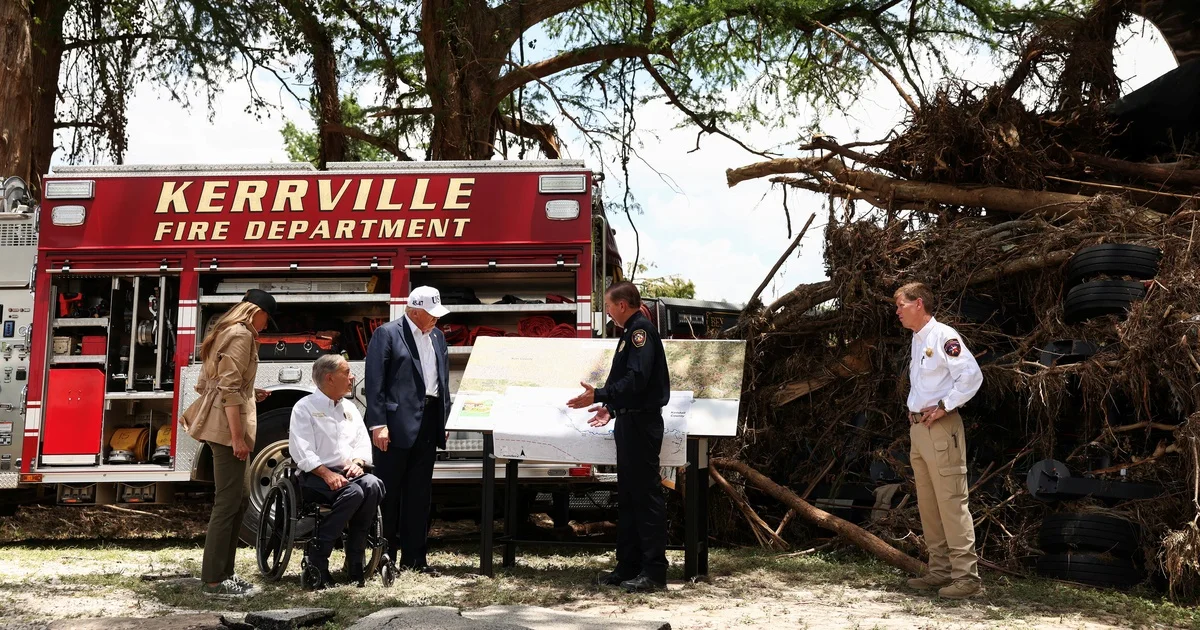
President Trump visited flood-affected Kerrville, Texas, defending the federal government's swift response and aid efforts following deadly July Fourth floods, amid ongoing scrutiny of FEMA's handling and potential restructuring, with local leaders praising the response and legislative efforts underway to improve disaster preparedness.
The Trump administration has been increasingly denying hazard mitigation funding from FEMA to states like Iowa, Mississippi, Missouri, and Oklahoma, aiming to cut costs and reduce FEMA's scope, which could impact future disaster preparedness projects such as flood buyouts and tornado safe rooms, amidst broader efforts to eliminate or overhaul FEMA.
FEMA's efforts to address long-standing issues in disaster aid, especially for vulnerable populations, were underway under the Biden administration but are now at risk due to program cuts and staff reductions initiated by the Trump administration, potentially reversing progress made in equitable disaster response.
Congressional leaders are negotiating a disaster aid package to attach to a stopgap spending bill before federal funding expires next week. The White House requested over $98 billion for disaster recovery, but lawmakers are debating the specifics, with some Republicans criticizing extraneous funding. The stopgap is expected to extend into March, with bipartisan efforts to finalize the bill before the December 20 deadline to avoid a government shutdown.
Matt Gaetz, a Republican congressman, is set to host his own TV show on One America News Network (OAN). Meanwhile, congressional leaders are negotiating a significant disaster aid package to be attached to a stopgap spending bill before federal funding expires. The White House has requested over $98 billion for disaster recovery, but there is contention over the specifics, with some Republicans deeming parts of the request extraneous. Lawmakers aim to finalize the bill to avoid a government shutdown and ensure continued funding.
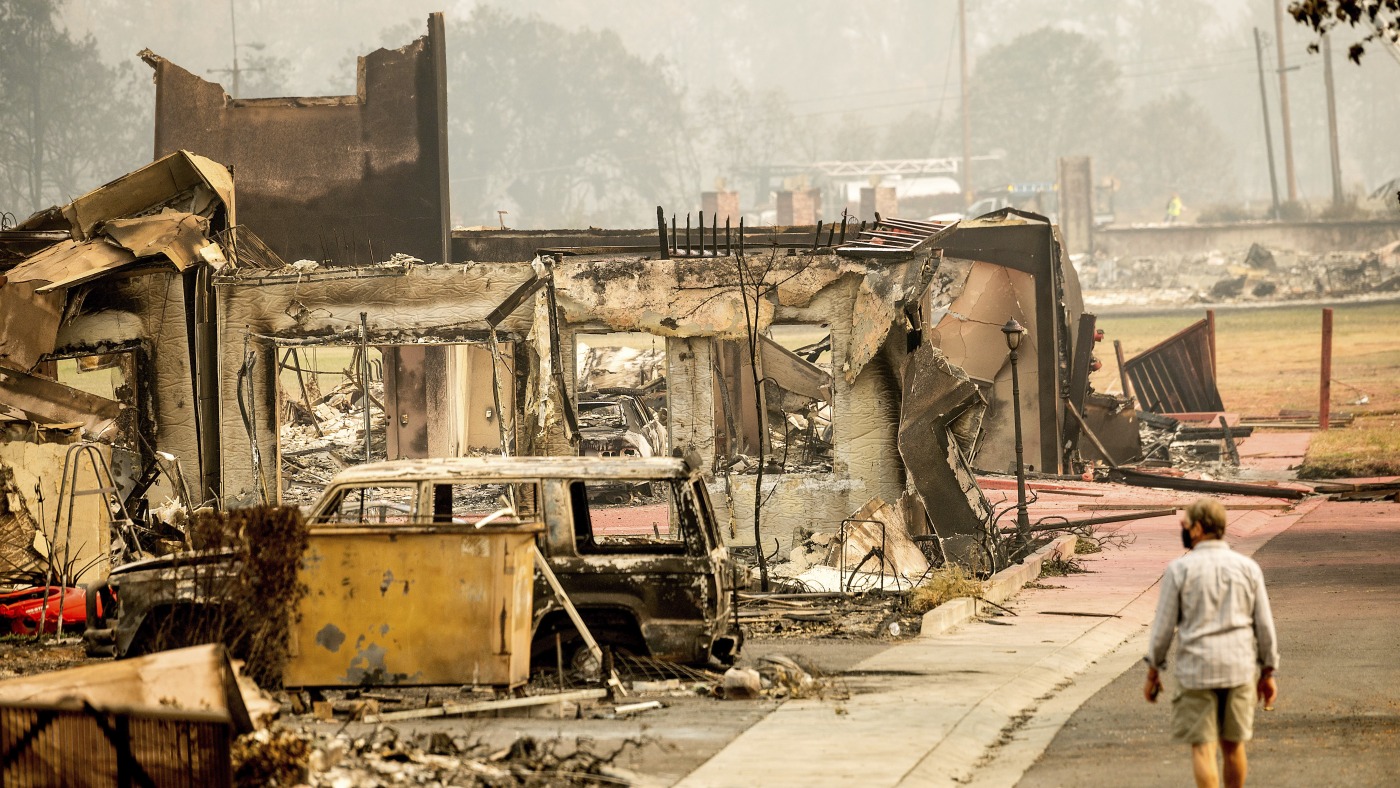
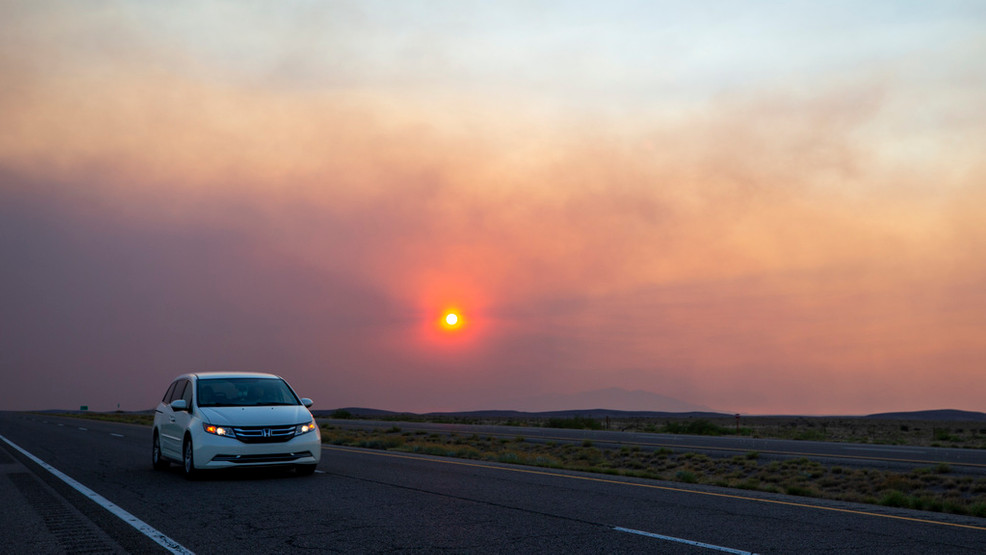
President Biden has approved a disaster declaration for New Mexico, providing federal aid to support state, tribal, and local recovery efforts as wildfires continue to devastate the region. The fires have burned over 23,000 acres, destroyed approximately 1,400 structures, and resulted in two fatalities. Federal assistance will include grants for temporary housing, home repairs, and low-cost loans for uninsured property losses. The exact causes of the fires are still under investigation but are believed to be human-caused.
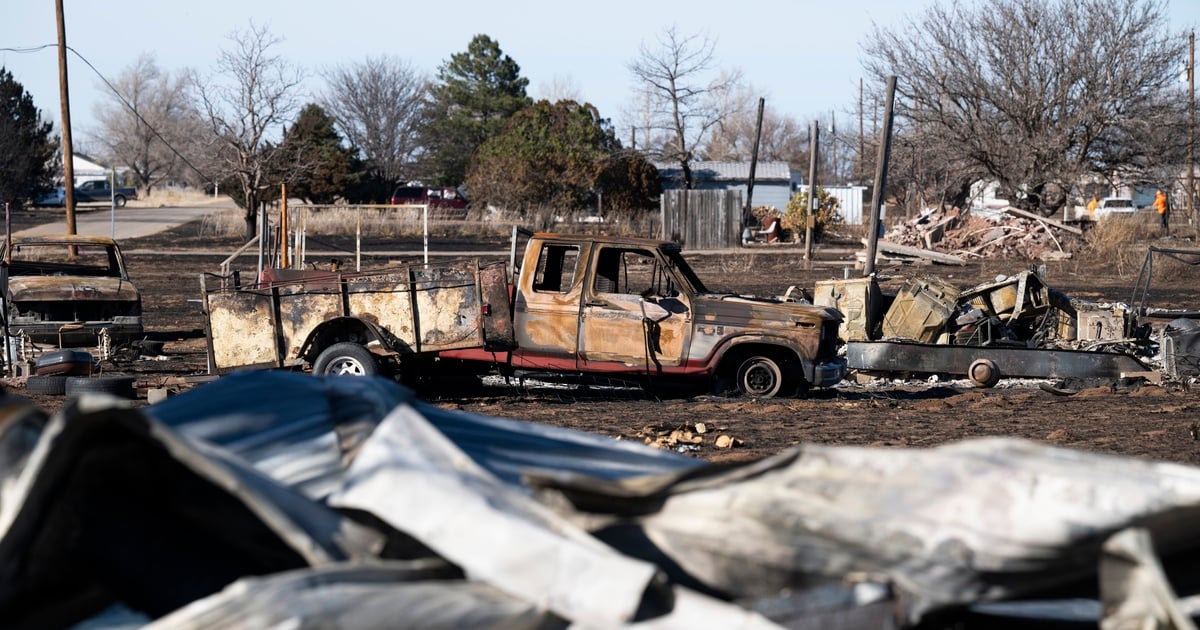
Many homes burned in the Texas wildfires were uninsured, leaving residents facing a difficult path to recovery. High homeowners insurance premiums, particularly in areas prone to extreme weather events, have made it challenging for Texans to afford coverage. Lower-income households and rural residents are disproportionately affected, with some unable to afford insurance and others struggling to insure manufactured homes. Without insurance, homeowners must rely on public and private assistance, which may not fully cover their losses. The full extent of the damage is still being assessed, and federal disaster aid may not fully replace what many homeowners have lost.
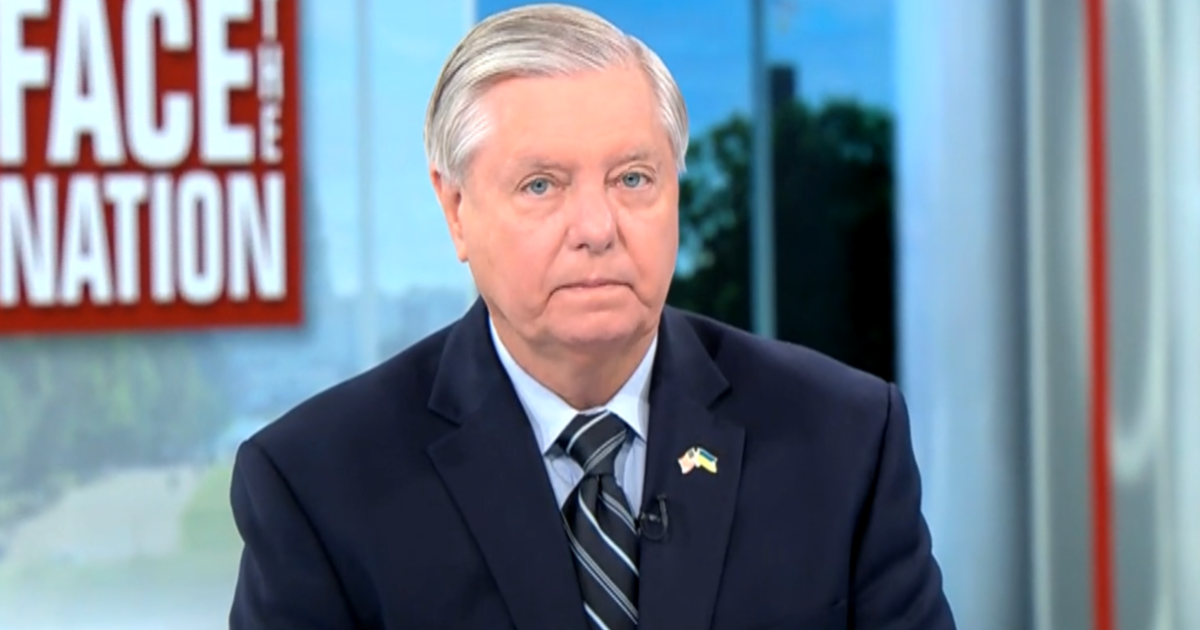
Senator Lindsey Graham, Republican of South Carolina, discusses the future of Ukraine funding and the US border in an interview on "Face the Nation." Graham explains that while he voted for a short-term deal that didn't include funding for Ukraine or the US border, there will be a bill coming out of the Senate soon that will address both issues. He emphasizes the need for robust funding for Ukraine, bipartisan support for border security reform, and additional disaster aid. Graham believes that a larger supplemental bill for Ukraine funding, stronger border security measures, and increased disaster aid will pass in the next 45 days. He also expresses concern about the consequences of not supporting Ukraine and the importance of taking border security seriously.