Homeowners List 23 Costly Regrets to Avoid
BuzzFeed has compiled a list of 23 costly regrets shared by homeowners, aiming to help others avoid similar financial and practical mistakes in their own homes.

All articles tagged with #diy
BuzzFeed has compiled a list of 23 costly regrets shared by homeowners, aiming to help others avoid similar financial and practical mistakes in their own homes.
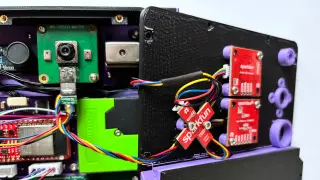
A decade-long open-source project has produced a functional handheld device inspired by Star Trek's tricorder, featuring a scintillation crystal for radiation detection, a visible light spectrometer, and thermal imaging. Built on a Clockwork Pi uConsole with a Compute Module 5, the device prioritizes practical scientific utility over screen accuracy. The project, led by PeterAJansen, is fully documented on GitHub for community replication.
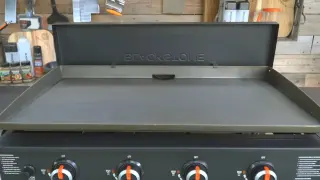
A couple viral on Facebook Reels show a cheap DIY to add storage to a Blackstone griddle: remove the middle shelf, flip it, attach two soft-close drawer slides to the shelf tops, mount them to two plastic storage tubs, reinstall the shelf, and you have two under-griddle drawers. They note that sizes vary, hardware may void warranties, and pests aren’t addressed; optional improvements include adding sheet metal trim for a cabinet‑like look and using dividers to organize tools and utensils.
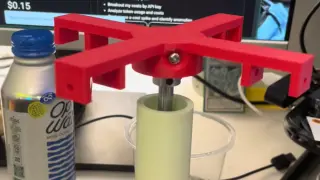
A maker built a fixed-angle centrifuge from a Raspberry Pi Pico, 3D-printed parts, and an A2212 brushless motor to separate T cells from blood for analysis. It includes safety features like an MPU-6050 vibration sensor to shut down on imbalance and an IR sensor to monitor rpm. The project is in development, with the first version spinning and tests planned using dyed water and glycerol before attempting real blood work.
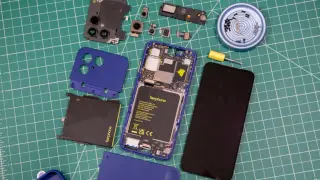
Fairphone’s Gen 6+ is a $650 Android phone built for long life and easy self-repair, featuring around 12 user-replaceable parts, a fully replaceable 6.31-inch OLED display, and a removable battery that staff say should be swapped around year three. The design trades some solidity (it’s thicker and lacks IP6X water resistance and a headphone jack) for maintainability, retaining a microSD slot and physical SIM. RAM is boosted to 12GB, software updates are planned through 2033, and Fairphone emphasizes keeping parts in stock and reducing e-waste over a glamorous but less repairable build. Aimed at DIY users and sustainability-minded buyers, the Gen 6+ is available direct and on Amazon.

A BuzzFeed list compiles 27 affordable, easy-to-implement home upgrades—from under-cabinet lighting and brass cabinet knobs to touchless faucets, extra outlets, and smart thermostats—showing how small changes can dramatically improve comfort, efficiency, and style without a full remodel.
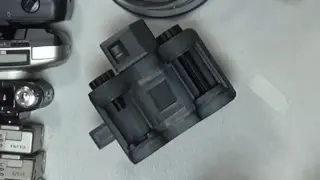
A project called Camera Things introduces a sliding, rubber-band–driven shutter for a 3D-printed half-frame camera, enabling variable exposure by partially opening the shutter; the files aren’t released yet, but skilled CAD designers could replicate the concept.

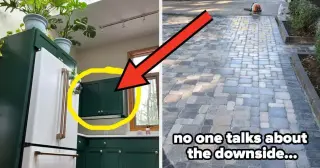
A couple renovated a dated 1990s kitchen for about $10,000 by DIY-installing IKEA cabinets and materials, taking two months and finishing with warm wood-toned cabinetry, a green backsplash, and beige hex tile. They highlight key lessons: pay for IKEA’s professional measuring service, start prep work earlier, and plan for a temporary kitchen to reduce disruption; also test grout color on a small patch before committing. Their experience shows thoughtful planning can be as crucial as materials to achieve a cohesive, affordable remodel.

With eclipse glasses scarce, the article outlines safe DIY projection methods to view the Sun: poke a pinhole in cardboard to project an image on paper, or create a simple box with a foil aperture, and even use tree leaves' dappled light or a kitchen colander to cast Sun images. These tricks let you watch the eclipse safely without looking directly at the Sun, and have NASA approval; avoid unfiltered filters, CDs/DVDs, or stacking sunglasses, and remember to keep your back to the Sun.
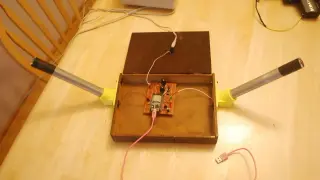
A Hackaday article demonstrates a DIY Theremin built around an ESP32, using capacitive touch sensing to detect hand proximity on two antennas to control pitch and volume, with the synthesized waveform output via the DAC to speakers for a quick, minimalist instrument.
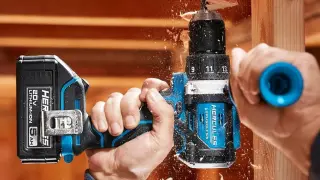
An under-$100 Harbor Freight tool roundup highlighting 12 budget-friendly picks—from framing hammers and drills to calipers, saws, and a multitool—across brands like Pittsburgh, Hercules, Bauer, Quinn, Warrior, and Central Machinery. Each tool offers solid specs and consistent buyer ratings, making them practical upgrades for DIYers on a budget.
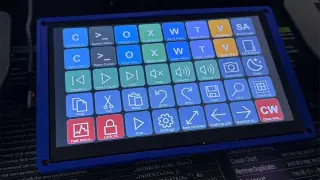
A Hackaday article introduces Stream32, a DIY open-source stream deck built around an ESP32 with interchangeable displays (4" Waveshare or 10.1" Elecrow). The firmware emphasizes simplicity and adaptability, allowing users to tailor shortcuts, pages, and layouts to their workflow, providing a customizable, affordable alternative to commercial macro pads.
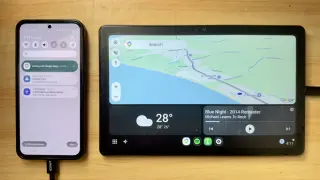
An open-source app called Headunit Revived lets you repurpose an old Android or Amazon Fire tablet into an Android Auto head unit for your car. Install the app (about $4 on Google Play; APK from GitHub; $4.70 on Amazon Appstore), run through the setup (orientation, screen size, and automation options), then connect your phone via USB or wirelessly using Wi‑Fi Direct with Wireless Helper. Once paired, you get Android Auto apps like Google Maps and Spotify on the tablet, with various mounting options available for installation.

The WIRED piece shows three ways to repurpose an aging Kindle: (1) turn it into a Spotify controller using Spotify Connect via the Kindle’s browser—no music stored on the device, just remote control; (2) convert the e-reader into a smart home display that streams weather, calendars, and delivery status from third-party services through custom setups; and (3) create a literary clock that displays a book quote for every minute, using pre-made images and scripts. All options vary in difficulty and require online guides, appealing to tech-hobbyists who enjoy hardware and software tinkering.
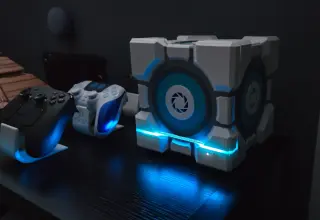
A community member has uploaded 3D-printable files to Printables so you can 3D print a Companion Cube-style case for the Steam Machine, offering a DIY alternative after dBrand’s unauthorized case was pulled. The design closely resembles the original with additional variants, and assembly requires magnets, screws, inserts, superglue, a soldering iron, tweezers, screwdrivers, and multiple filament colors, plus videos and instructions. It’s not as easy as buying a finished case, but provides a viable option for those who missed out.