Tag

Computer Vision

All articles tagged with #computer vision

York University study reveals AI visual models use different internal mechanisms than human brains
science10 hours ago

York University study reveals AI visual models use different internal mechanisms than human brains

A new study from York University challenges the assumption that artificial neural networks (ANNs) process visual information similarly to the human brain. While ANNs can accurately predict neural activity related to object recognition, a new 'reverse predictivity test' shows that brain activity does not equally predict the internal features of these AI models. This asymmetry suggests that AI and biological vision rely on fundamentally different internal mechanisms, despite producing similar outputs. The findings, published in Nature Machine Intelligence, warn that current AI models may accumulate differences from primate brains over time, potentially undermining their utility in neuroscience and clinical research. The researchers have released a public toolkit to help developers identify which parts of AI models truly align with biological neural activity.

Cybersecurity Researcher Unveils 'noRecognition' Car Wrap to Defeat Flock Surveillance
technology3 months ago

Cybersecurity Researcher Unveils 'noRecognition' Car Wrap to Defeat Flock Surveillance

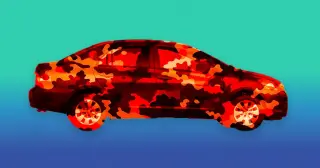
Cybersecurity researcher Bill Swearingen has developed a specialized vehicle wrap called 'noRecognition' that renders cars invisible to automated surveillance systems. The design, which was tested on a 2009 Toyota Yaris at the Def Con conference, successfully evaded detection by Flock Safety’s license plate readers and other computer vision algorithms. Swearingen aims to commercialize these patterns on apparel and vehicle skins to allow individuals to opt out of algorithmic tracking.

Automated Adversarial Patterns Challenge AI Surveillance Infrastructure
technology3 months ago

Automated Adversarial Patterns Challenge AI Surveillance Infrastructure

A new algorithm automates the creation of physical patterns that disrupt AI-powered surveillance cameras, potentially offering a tool for privacy protection while raising concerns about security evasion. Unlike previous manual methods, this system optimizes designs to fool a wide range of detection models, including facial recognition and vehicle tracking, despite real-world variables like lighting and motion. The development highlights the difficulty of patching physical camera infrastructure compared to software updates, creating a potential long-term vulnerability in public monitoring systems.

Maker Uses Stereo Global-Shutter Cameras to Track Bees in Flight
technology3 months ago

Maker Uses Stereo Global-Shutter Cameras to Track Bees in Flight

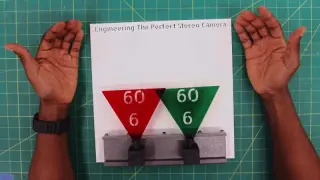
A maker named Jeremy is developing a high-speed stereo camera system to photograph and track bees in flight. The project addresses the challenge of capturing fast-moving, small subjects by using synchronized global shutter sensors to avoid motion artifacts. The system requires precise mechanical tracking and careful optical trade-offs between frame rate and resolution.

Ghost Font Reveals AI Blind Spots by Hiding Letters in Motion
technology4 months ago

Ghost Font Reveals AI Blind Spots by Hiding Letters in Motion

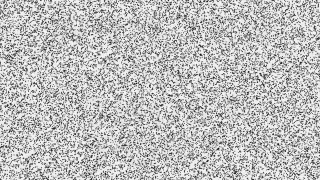
Ghost Font, an experimental typography project by designer Eric Lu, hides letters inside thousands of moving dots that humans read through motion perception, while many AI vision models struggle to decode the pattern; the effect vanishes when paused, it's not encryption, and with frame-by-frame analysis or more advanced vision techniques AI can eventually read the message, highlighting the gap between human and machine perception.

Engineer Builds AI-Powered Laser Mosquito Killer at Home
technology5 months ago

Engineer Builds AI-Powered Laser Mosquito Killer at Home

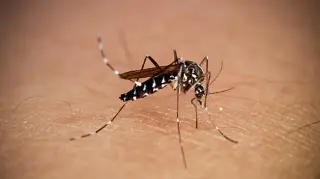
A computer-vision and robotics expert built a DIY AI system that uses a camera and deep learning to detect mosquitoes and a laser to kill them, with safeguards to cut power if people or flammable materials appear in view. The designer said all mosquitoes in his home were eliminated after one night, and the piece also notes CDC pest-control tips and non-laser alternatives for indoor mosquitoes.

VueBuds: UW Researchers Turn Earbuds Into Vision-Enabled AI Devices
gadgets6 months ago

VueBuds: UW Researchers Turn Earbuds Into Vision-Enabled AI Devices

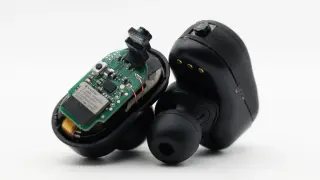
UW researchers embedded low‑resolution, black‑and‑white cameras into Sony WF‑1000XM3 wireless earbuds (dubbed VueBuds) to give them vision and run AI-driven scene understanding, echoing rumors about camera-enabled AirPods. The project aims for AI-assisted tasks like navigation and environment-aware reminders, but faces battery life and privacy tradeoffs, plus reliance on cloud processing. Early results show responsive performance comparable to Ray‑Ban/Meta AI glasses, with the potential for a more refined version from big‑tech players in the future.

Shiny visuals, shaky understanding: Marcus on ChatGPT’s image engine
technology7 months ago

Shiny visuals, shaky understanding: Marcus on ChatGPT’s image engine

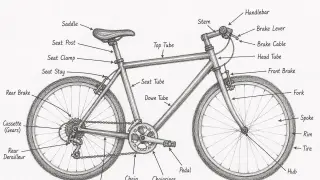
Gary Marcus argues that ChatGPT’s new image engine is visually impressive but does not demonstrate true understanding. He points to labeling errors in bike diagrams and odd results from a custom tandem-bike prompt as evidence that the system can imitate understanding without grasping how parts function. The piece emphasizes that regurgitating images isn’t the same as real comprehension in AI.

Tesla’s Vision-Only FSD Builds a Real 3D World From Camera Pixels
technology7 months ago

Tesla’s Vision-Only FSD Builds a Real 3D World From Camera Pixels

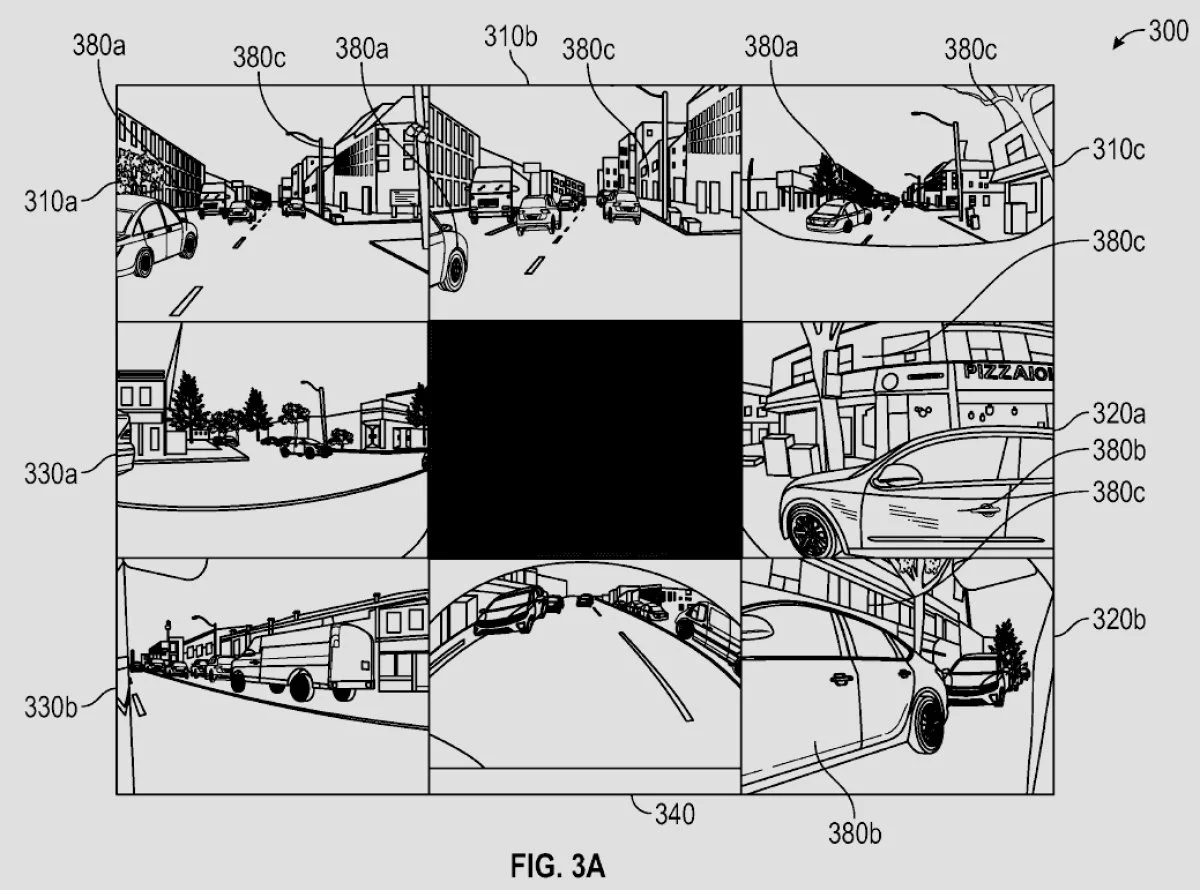
The piece explains how Tesla's FSD uses only camera input to create a live 3D representation of the world by fusing multi-view image features into a unified 3D space. Two patents—Vision-Based Occupancy Determination and Vision-Based Surface Determination—describe a voxel-based occupancy map and a 3D surface mesh, built from 2D images via transformers, temporal fusion, and deconvolution, enabling depth, motion, and material understanding without LiDAR. The two systems work together to inform prediction, path planning, and control, training on data from LIDAR/photogrammetry and camera feeds to produce a robust, dynamic world model for real-time driving decisions.

Apple Bets on Visual Intelligence, but It Might Not Be Groundbreaking
gadgets9 months ago

Apple Bets on Visual Intelligence, but It Might Not Be Groundbreaking

Bloomberg reports Apple plans to weave Visual Intelligence (computer vision) into a wave of upcoming devices—AirPods with cameras, first-gen smart glasses, and an AI pendant—to give gadgets “sight,” enable item recognition and navigation cues, and prompt actions. Critics argue the vision tech mirrors what’s already in Meta’s glasses, may be unreliable, and its everyday usefulness remains uncertain as rollout is not expected before late 2026 at the earliest.

Apple Nears Acquisition of Computer Vision Startup Prompt AI
technology1 year ago

Apple Nears Acquisition of Computer Vision Startup Prompt AI

Apple is close to acquiring Prompt AI's team and technology, including its flagship product Seemour, a security camera AI. The deal involves an acquihire strategy, with Prompt's employees being informed and offered roles at Apple, while the Seemour app will be discontinued. This move aligns with a broader trend of tech giants acquiring AI talent and technology to enhance their capabilities while avoiding regulatory scrutiny.

"Smart Bike Light: Raspberry Pi AI Detects and Alerts Cyclists to Dangerous Drivers"
technology2 years ago

"Smart Bike Light: Raspberry Pi AI Detects and Alerts Cyclists to Dangerous Drivers"

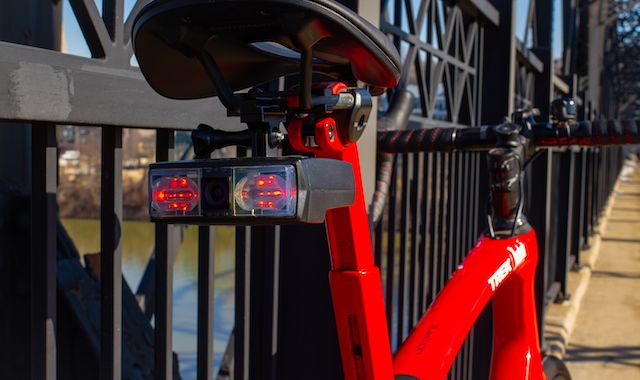
Velo AI has developed Copilot, a Raspberry Pi-powered bike light equipped with AI and machine learning to detect cars, alert cyclists about approaching vehicles, issue warnings to drivers, and record incidents. Priced at $400, the device aims to enhance cyclist safety and is being used in a partnership with Pittsburgh to analyze data for potential road safety improvements.