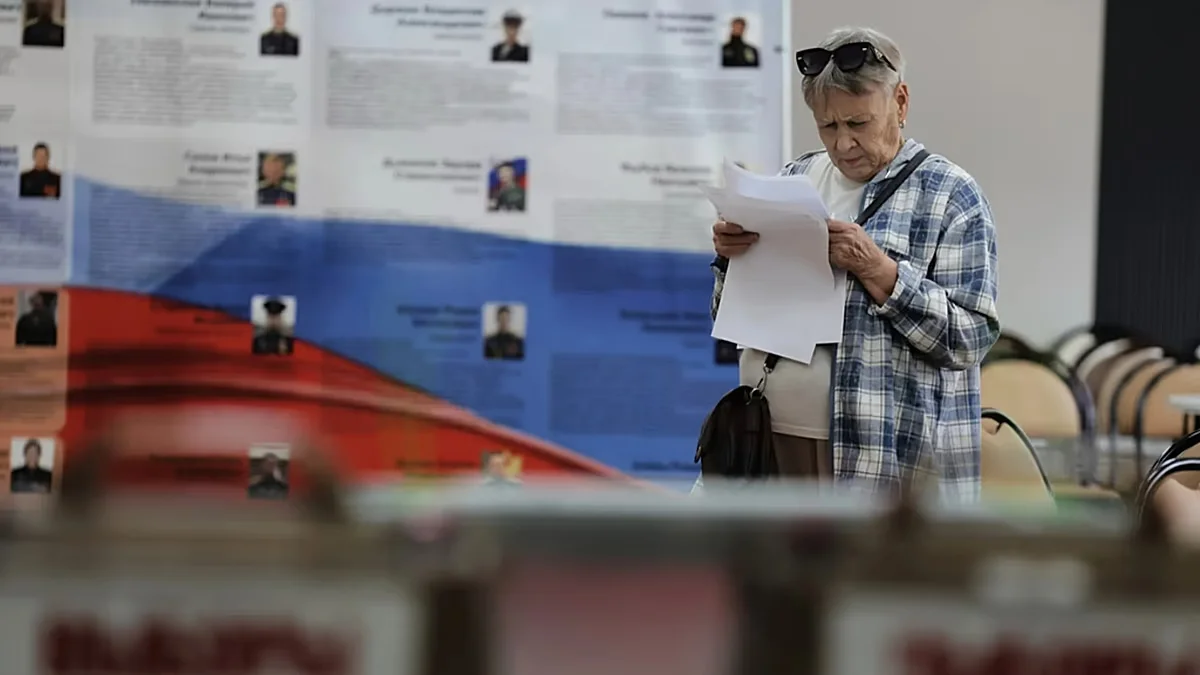
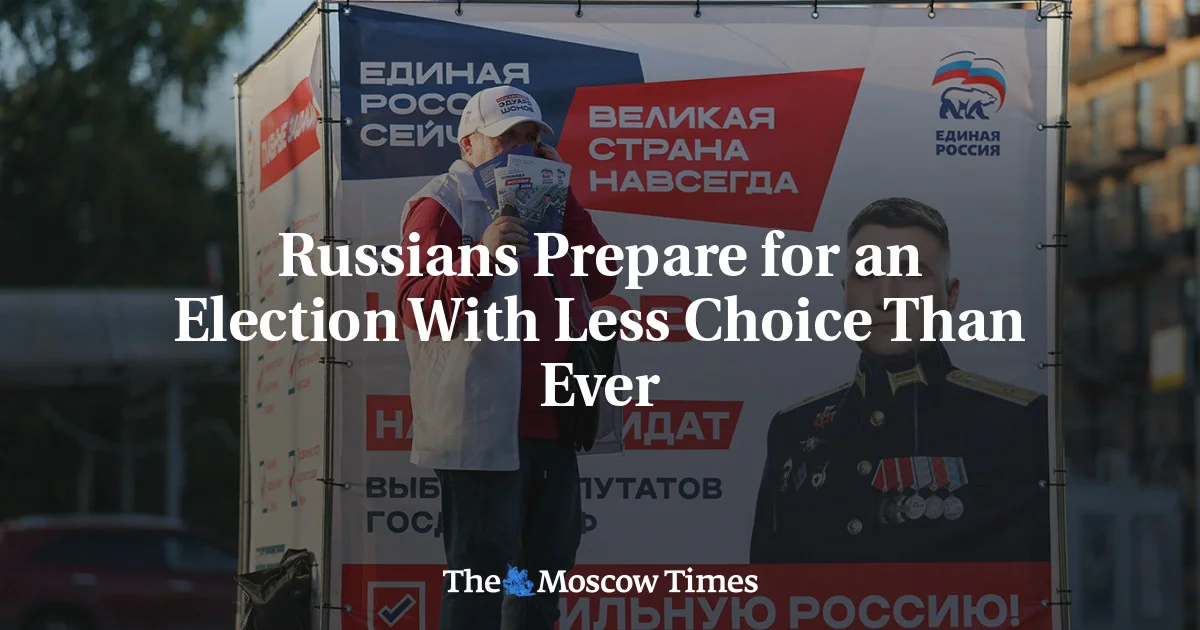
Russia began a tightly controlled three-day parliamentary election in which only pro-Putin parties compete and the anti-war Yabloko is barred, with observers calling it a sham designed to bolster turnout as fears of mobilization loom and the war in Ukraine continues.
Russia is heading into parliamentary elections with far fewer political options and tighter controls: United Russia is expected to win a constitutional majority, while many opposition groups and candidates have been barred or sidelined, including Yabloko from the party-list ballot. The number of legally registered parties and candidates has declined, and voting in occupied Ukrainian regions plus three days of voting with some electronic balloting raise concerns about manipulation. Analysts describe the system as electoral authoritarian, where real competition is eroded and public interest appears tepid.
ISW’s July 27 update says Putin is militarizing Russian society and shifting responsibility for the Ukraine war onto the State Duma and populace, aided by a Navy Day speech and a deputies’ meeting; the Duma has backed laws to integrate occupied Luhansk, Donetsk, Zaporizhia, and Kherson into Russia and to sustain the war, while Putin pushes mobilized 2022 troops toward MoD contracts. Russia’s end-strength rose to 2,426,130 total (1,535,000 military) with plans for military-construction units. Ukraine continued long-range strikes against Russian energy infrastructure (July 26–27); Russia launched 147 drones (123 downed) with no confirmed ground advances on July 27; infiltration and counterattacks persist across multiple sectors. Ukrainian strikes hit targets in Crimea and energy infrastructure, likely reducing Black Sea activity; Kazakhstan’s oil output reportedly halved after strikes on Russian infrastructure; Moscow is adding Pantsir air-defense towers near the capital as part of defense against long-range strikes.
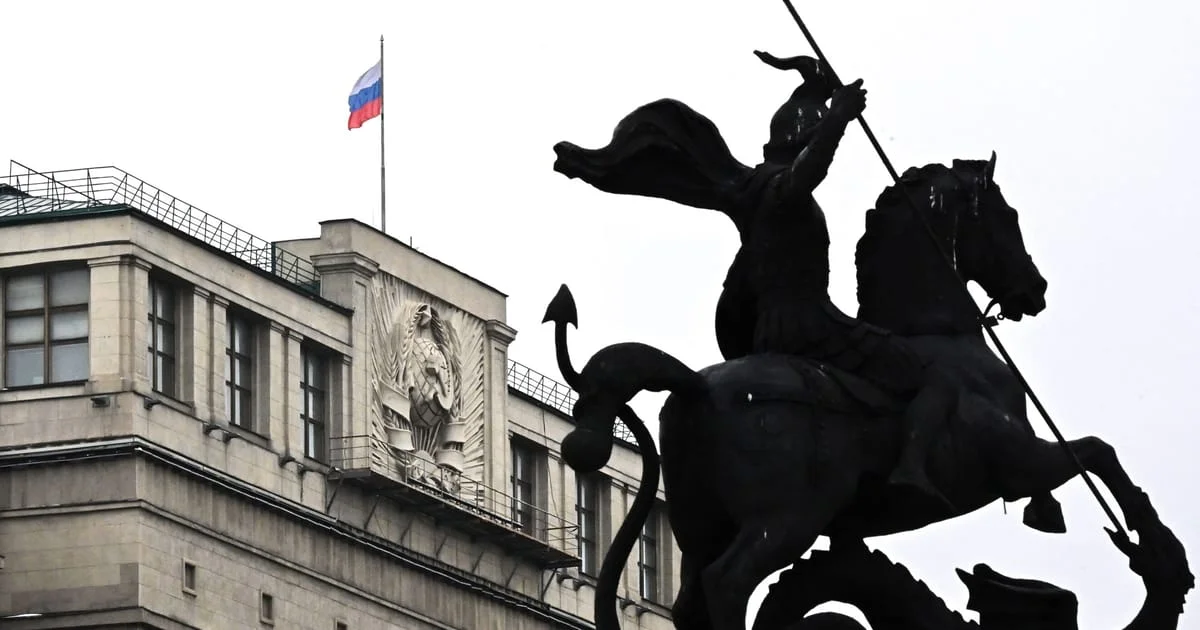
Russia’s parliament approved a bill that would let President Putin order troops to intervene abroad to protect Russians abroad, with 14 days to sign into law. Kyiv denounces the move as aggressive lawlessness and expansionism, while EU defense officials warn it could be a test of NATO unity as Western security commitments face scrutiny amid the ongoing Ukraine conflict.