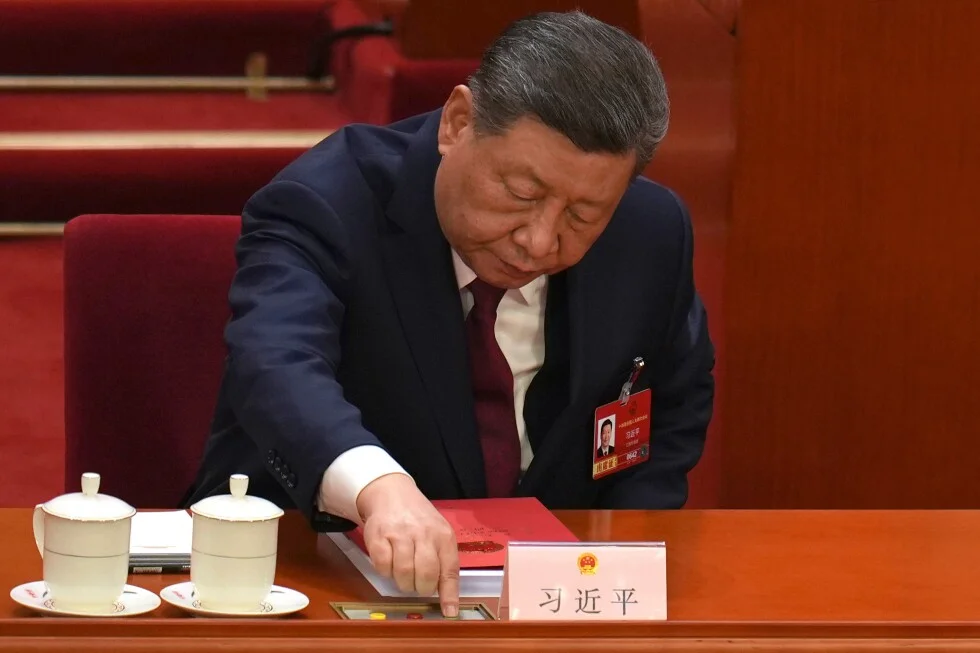
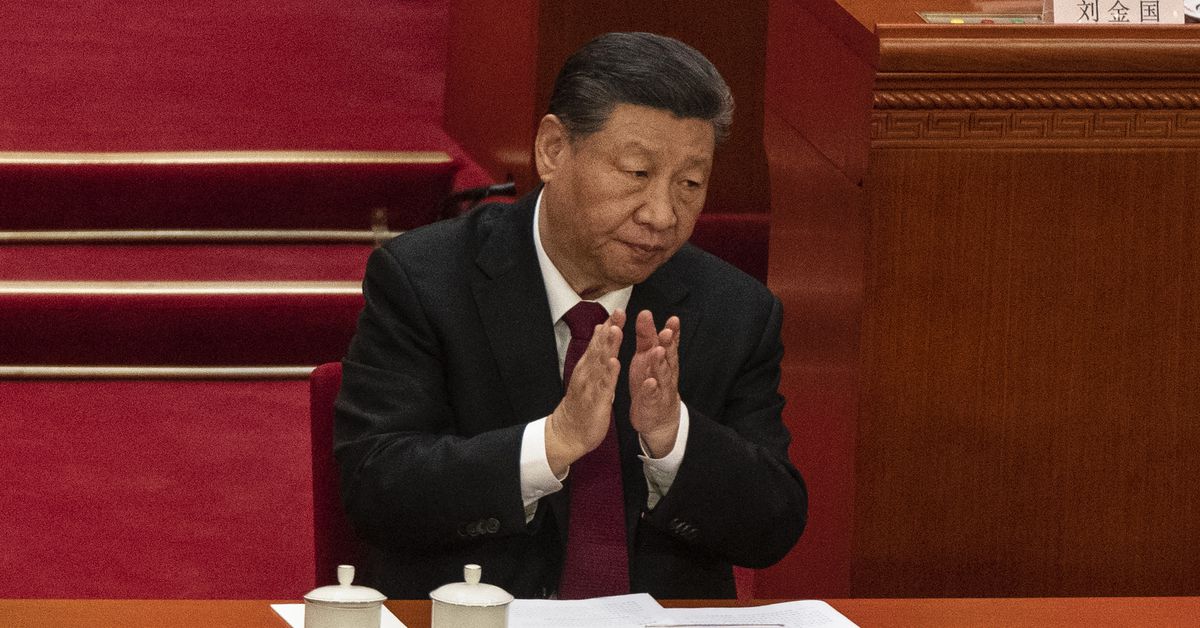
China’s National People’s Congress wrapped up in Beijing with Xi Jinping at the helm, approving a new economic plan and a law promoting ethnic unity, as Beijing seeks to present itself as a stabilizing influence on the world stage.
China's new economic growth plan, announced during the National People's Congress, aims to combat the country's economic troubles by focusing on innovation, manufacturing, and technology, as well as addressing demographic challenges and removing restrictions on foreign investment. However, experts believe the plan falls short of the transformative strategy needed to fix China's debt and consumer confidence crises. The lack of ambitious reforms and specific details in the plan reflects President Xi Jinping's reluctance to undertake radical structural reforms, which many economists believe are necessary for sustainable economic growth. The focus on competing with the US amid geopolitical tensions could exacerbate trade tensions and lead to further economic brinkmanship.
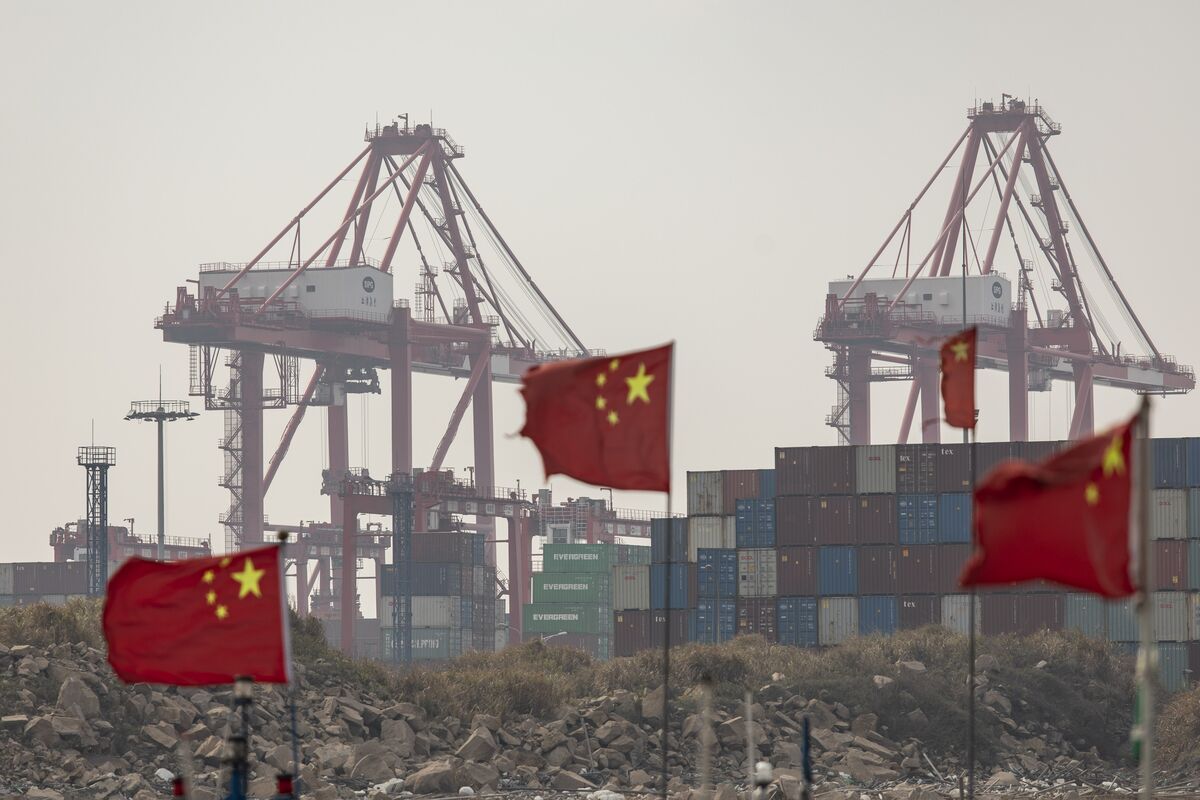
China's President Xi Jinping aims to reshape the nation's economic model by focusing on manufacturing, particularly in electric vehicles, batteries, and renewable energy, as the property sector declines. This shift in economic strategy could potentially spark new trade tensions globally.
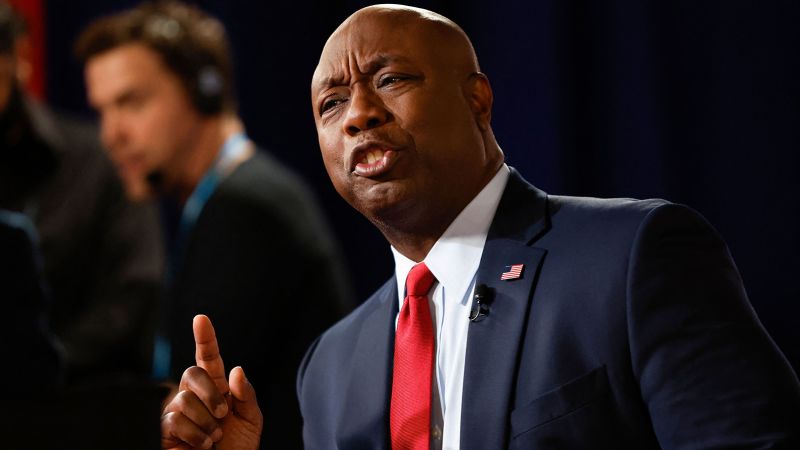
South Carolina Senator Tim Scott, who is eyeing a run in the 2024 GOP primary, has unveiled an economic plan that takes aim at President Joe Biden's policies and seeks to make former President Donald Trump's tax cuts permanent. Scott's plan includes reducing government spending, cutting taxes, increasing domestic energy production, and rolling back Biden's student loan forgiveness efforts. He also promises to repeal regulations on energy production and agriculture, cut government spending overall, and promote American agriculture. Scott's plan aligns with Trump's policies while aiming to distance himself from some of Trump's liabilities.
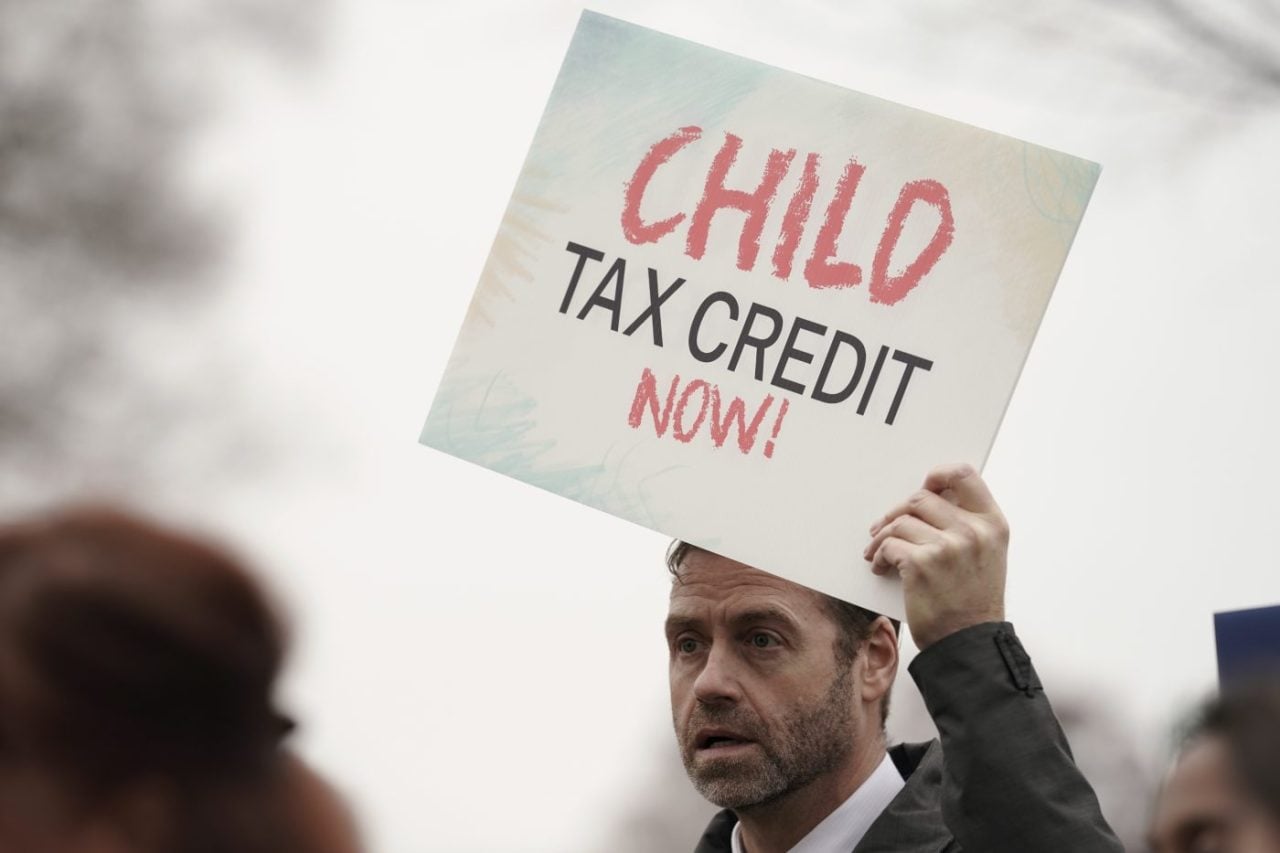
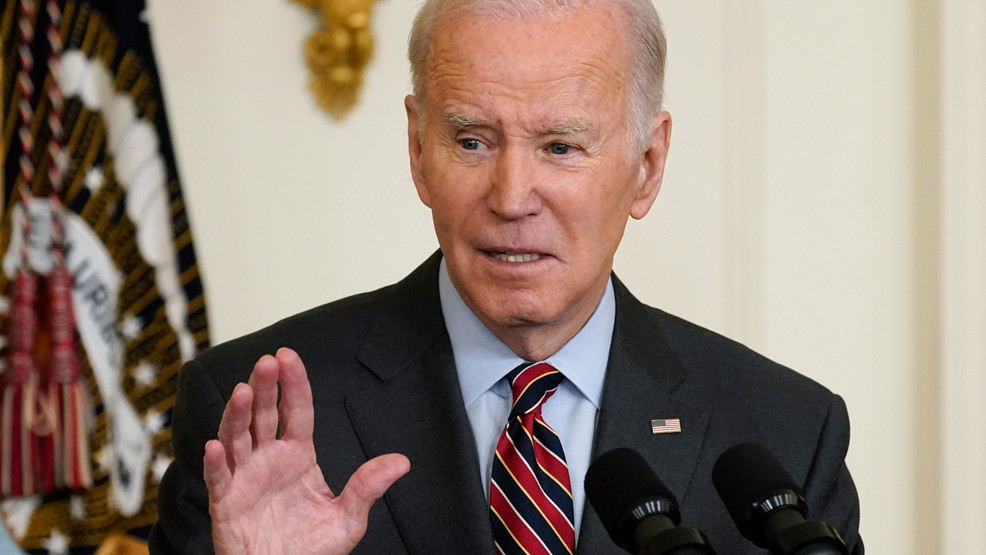
The White House is bracing for a significant increase in the U.S. poverty rate as the pandemic-era child tax credit (CTC) expansion comes to an end. The Census Bureau is set to release its annual report on poverty, income, and health insurance, and the Council of Economic Advisers (CEA) expects a sharp rise in the Supplemental Poverty Measure. The expanded CTC, which expired in December 2021, lifted millions of children out of poverty in 2021. Democrats argue that Congress should have extended the credit, while Republicans blame Biden for inflation. Biden's economic plan, "Bidenomics," has yet to gain widespread approval among Americans.
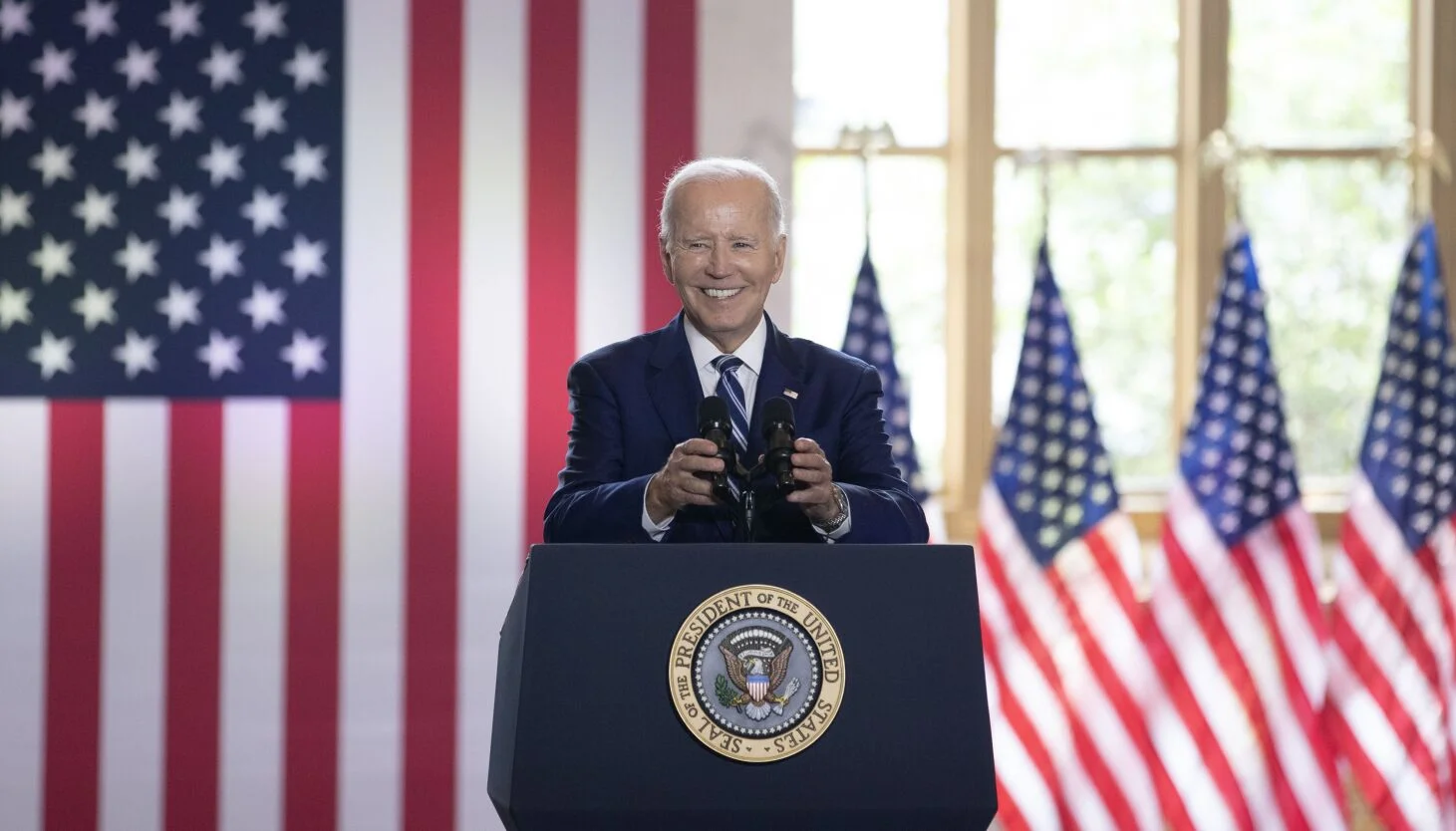
President Joe Biden kicked off his 2024 reelection campaign in Chicago with a speech promoting his economic vision, dubbed "Bidenomics." He highlighted the country's economic growth and job creation under his administration, emphasizing his plan to grow the economy from the middle out and the bottom up. Biden aims to show that his economic policies are working through the passage of key measures and plans for universal pre-kindergarten, free community colleges, and lower childcare costs. He also addressed criticisms from Republicans and expressed the need for a fair tax code. Biden attended fundraisers after the speech, where he discussed issues such as abortion rights and gun control.
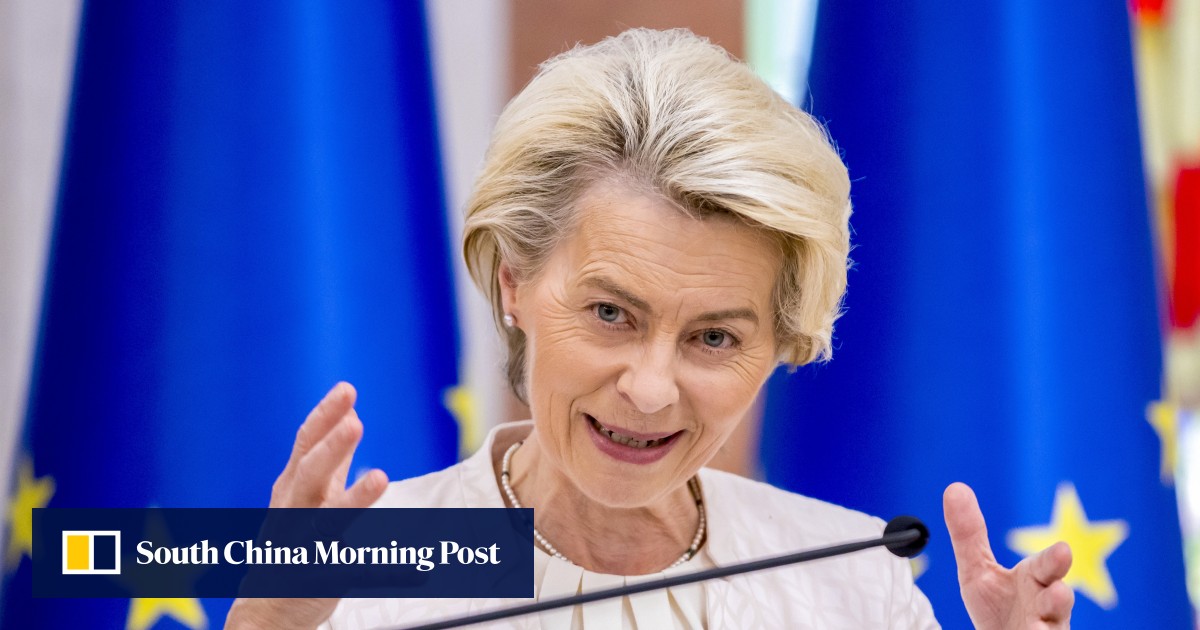
The European Union has proposed an economic plan that includes outbound investment screening and broader export controls, with China in mind. The plan does not directly refer to China but is seen as the first step in EU Commission chief Ursula von der Leyen's concept of "de-risking" ties with China. This comes after Brussels urged member states to remove Chinese companies from their 5G networks.