Study Links Ancient Sea-Level Swings to Preservation of Earth's Earliest Animal Fossils
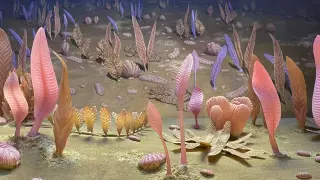
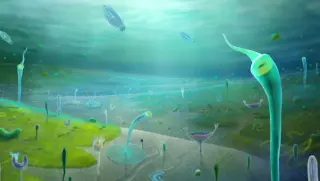
A new study led by Adelaide University researchers reveals that dramatic fluctuations in sea levels, rather than just biological factors, were key to preserving some of Earth’s oldest animal fossils. By analyzing rock layers in South Australia’s Flinders Ranges, scientists identified evidence of massive underwater canyons that formed during a period of low sea levels. When sea levels subsequently rose, these canyons flooded and filled with sediment, creating a stable environment that protected soft-bodied organisms from erosion. This finding explains why the Ediacaran biota, which lived over 540 million years ago, is so well-preserved in this specific region, offering a clearer picture of the environmental conditions that allowed early complex life to be recorded in the geological record.