Tag

Fossil Preservation

All articles tagged with #fossil preservation

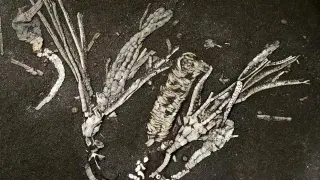
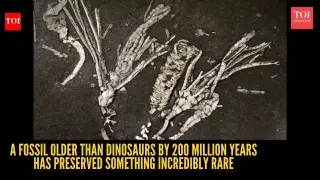
Ancient Crinoid Preserves Rare Soft Tissue, Older Than Dinosaurs by 200 Million Years
science2 days ago

Ancient Crinoid Preserves Rare Soft Tissue, Older Than Dinosaurs by 200 Million Years

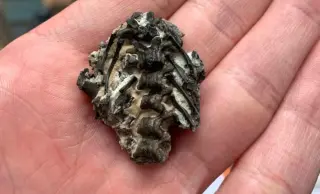
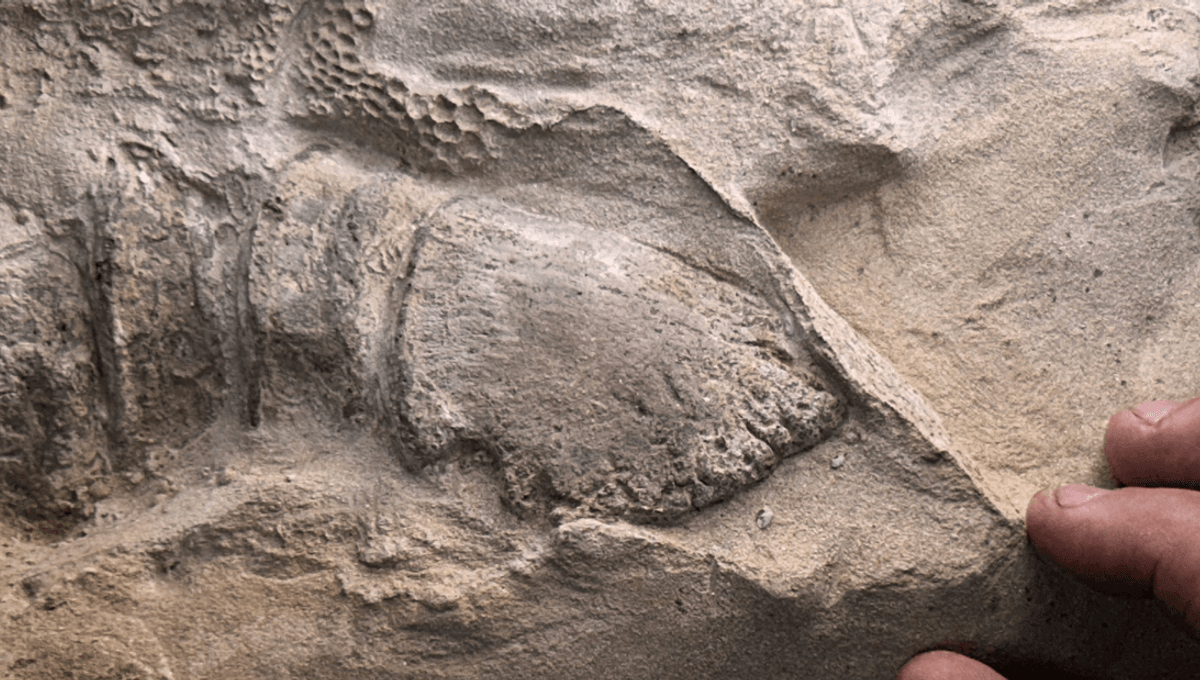
A University of Oklahoma team reports a 450-million-year-old crinoid fossil (Dendrocrinus simcoensis) that preserves soft tissue—the oldest crinoid fossil with soft tissue and only the second example overall—offering rare insights into early reef life and crinoid feeding via tube feet, well before dinosaurs, and highlighting the enduring value of museum collections for new discoveries.

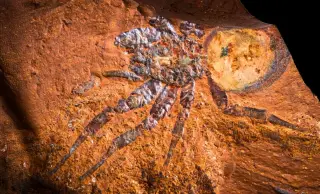
Rust-Cased Fossils Uncover a Lost Miocene Rainforest Beneath a NSW Farm
science2 months ago

Rust-Cased Fossils Uncover a Lost Miocene Rainforest Beneath a NSW Farm

Researchers at McGraths Flat in New South Wales found exquisitely preserved soft-bodied fossils embedded in ferricrete—an iron cement from the Miocene—reconstructing a rainforest ecosystem and overturning the idea that fine details only survive in limestone or fine sediments; the study also provides a practical checklist for locating similar fossil deposits in ferricrete and basalt regions.

Portugal's Coastal Cliff Uncovers Intact 150-Million-Year Jurassic Egg Nest
science4 months ago

Portugal's Coastal Cliff Uncovers Intact 150-Million-Year Jurassic Egg Nest

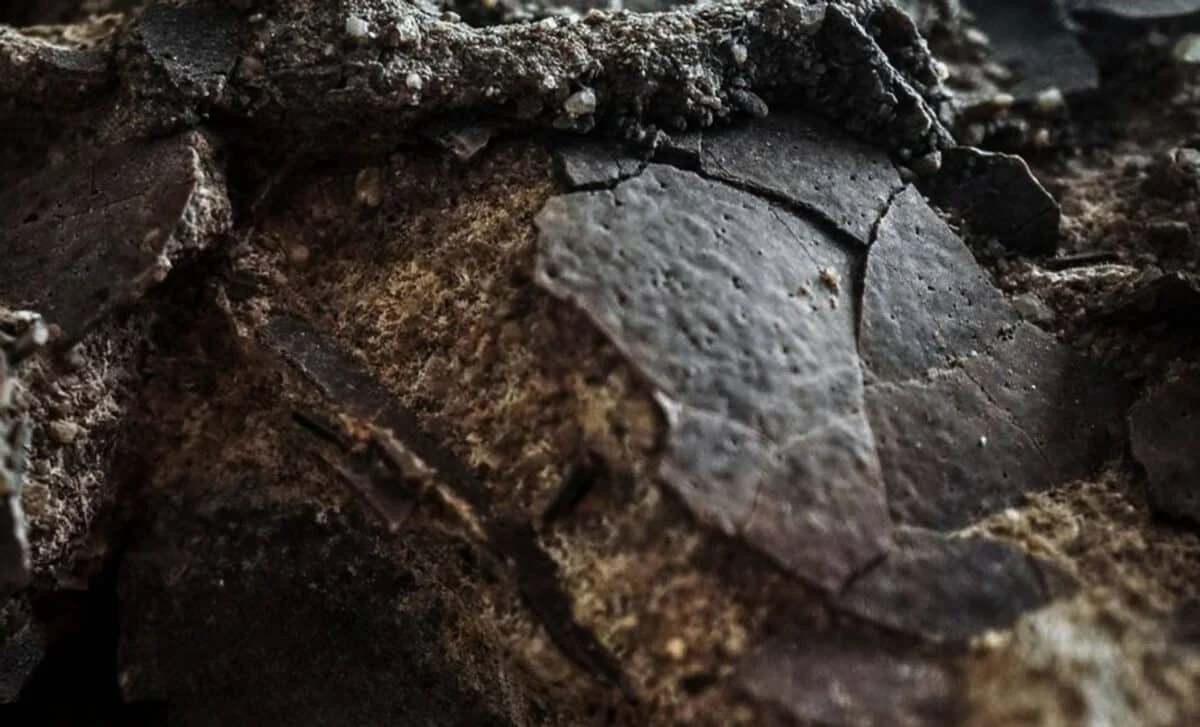
At a coastal cliff in Santa Cruz, Portugal, researchers uncovered a block containing 10 Upper Jurassic dinosaur eggs (~150 million years old) preserved in three dimensions within granular sandstone, arranged in a natural nest pattern that suggests a genuine nesting site and limited disturbance. The team suspects carnivorous dinosaurs may have laid them, with potential embryonic remains to be confirmed by planned CT scans and microscopic analyses.

Record-Breaking Dinosaur Tracksite Unveils Over 18,000 Footprints
science7 months ago

Record-Breaking Dinosaur Tracksite Unveils Over 18,000 Footprints

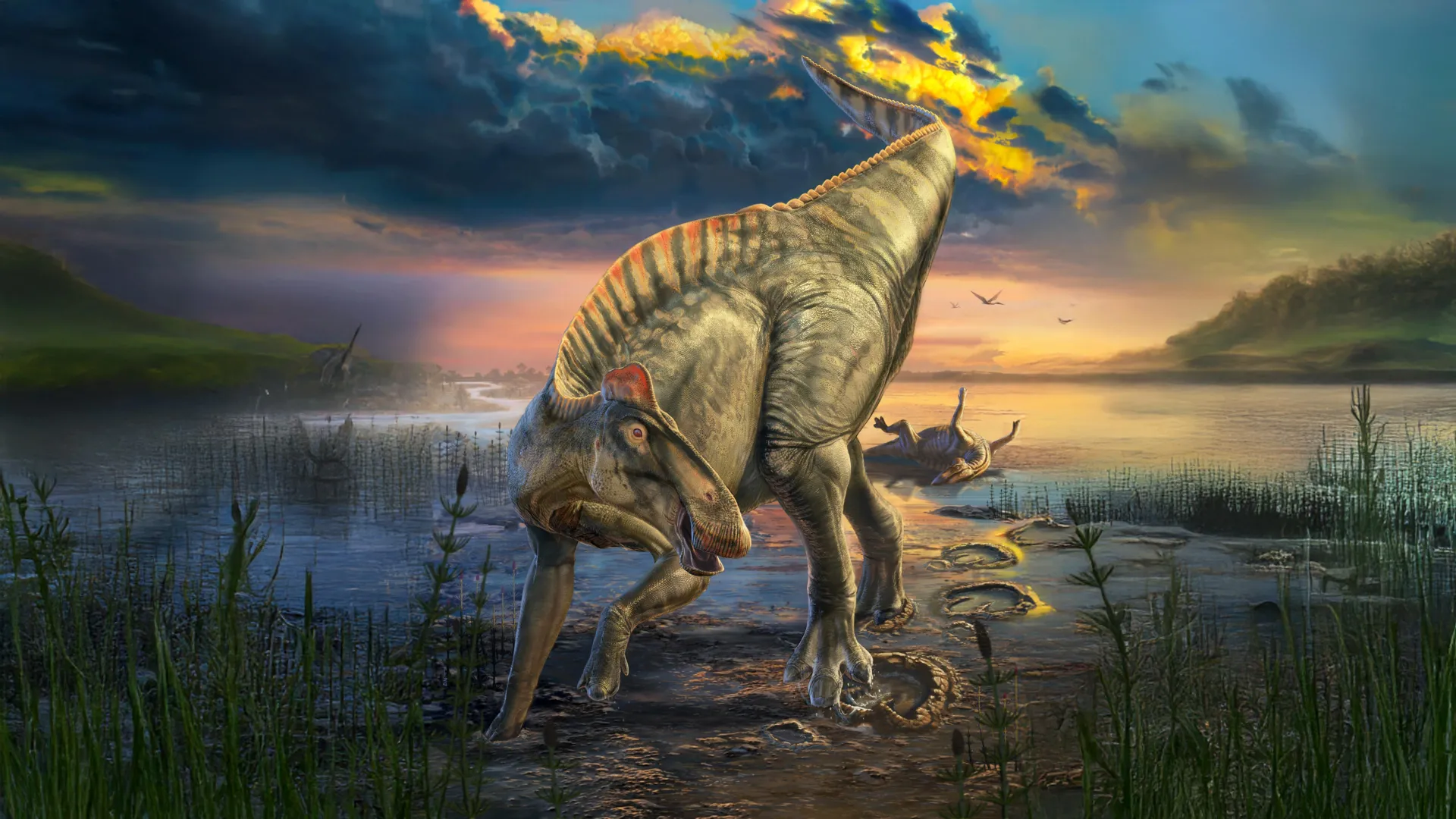
The Carreras Pampa site in Bolivia, the largest dinosaur tracksite ever found, contains nearly 18,000 tracks from around 70 million years ago, offering unique insights into dinosaur behavior and preservation due to exceptional environmental conditions that captured footprints, tail marks, and swimming traces of theropods, making it a significant paleontological discovery.