

Tag

Emotion Processing

All articles tagged with #emotion processing

Timing of Childhood Trauma Shapes Distinct Brain Signatures in Adulthood
neuroscience22 days ago

Timing of Childhood Trauma Shapes Distinct Brain Signatures in Adulthood

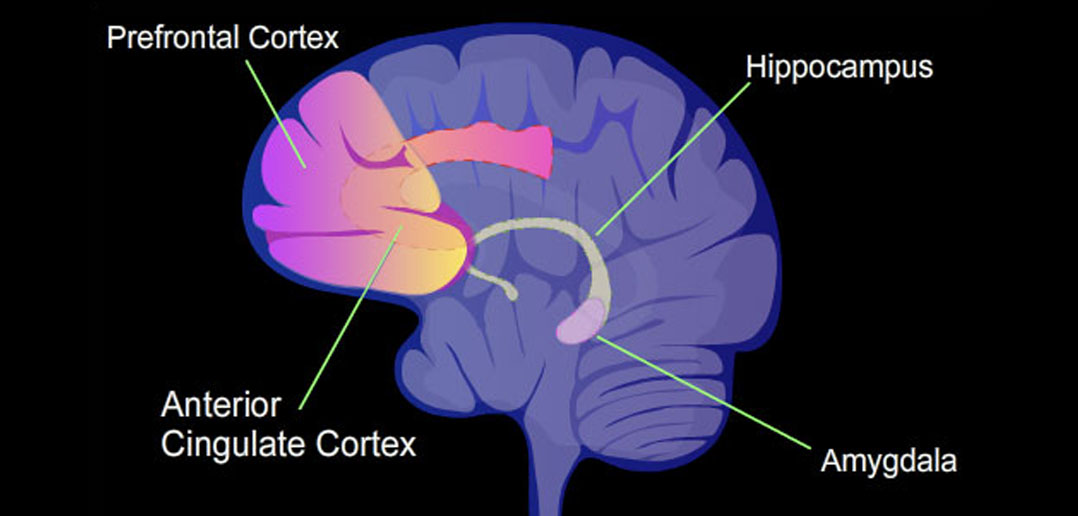
A study of 635 adults using fMRI found that the age at which abuse occurs matters for later emotion processing: abuse before age 13 is linked to heightened hippocampal activity during rapid, non-conscious emotion processing, while abuse in adolescence (13–18) is linked to heightened amygdala activity during conscious emotion processing. These patterns persisted across various mental health diagnoses and healthy controls, suggesting the timing of adversity leaves lasting neural marks and could guide targeted interventions, though retrospective reporting and cross-sectional design limit conclusions.
The Science Behind Anxiety Reduction with Age.
neuroscience3 years ago

The Science Behind Anxiety Reduction with Age.

A new brain imaging study has found that older individuals are faster at recognizing and responding to negative emotions, which may explain why they tend to have lower levels of anxiety. The study contradicts the idea that older adults are less engaged with negative emotions due to cognitive decline or that they are better at regulating negative emotions. Instead, the results suggest that older adults may develop a more automatic way of processing negative emotions. The study authors said that further research is needed to explore the physiological markers and brain mechanisms underlying these age-related changes in emotional processing.

Oxytocin impacts amygdala response to anger in ASPD.
neuroscience3 years ago

Oxytocin impacts amygdala response to anger in ASPD.

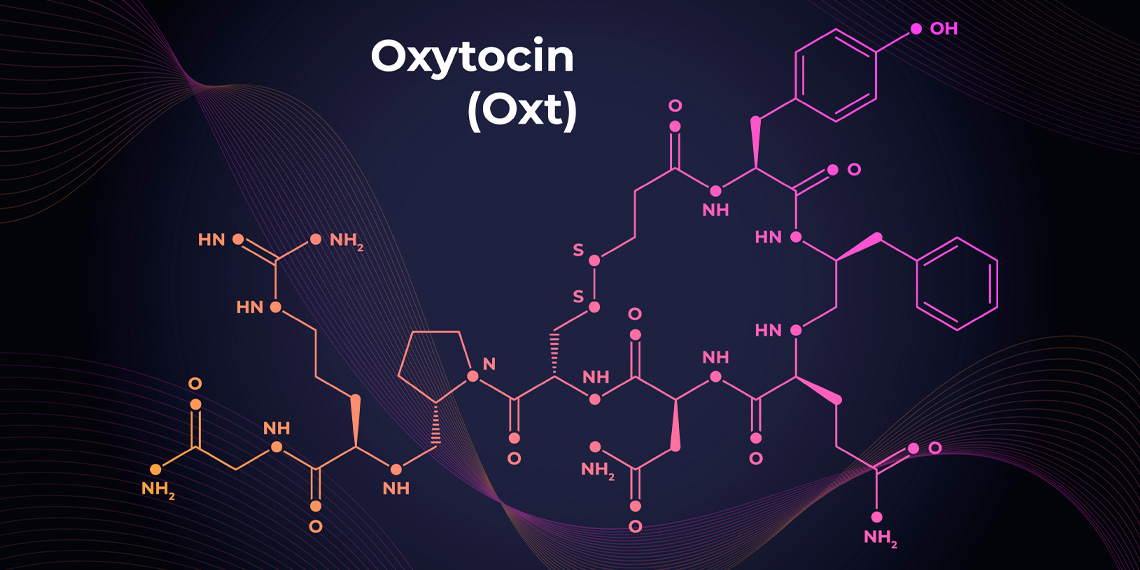
A recent study has found that oxytocin administration decreases amygdala activity in individuals with antisocial personality disorder (ASPD), bringing it closer to the levels observed in healthy individuals. The study involved 20 men and 18 women diagnosed with ASPD, and 20 male and 20 female healthy control participants. The administration of oxytocin seemed to modulate amygdala activation differently in individuals with ASPD and healthy controls. When individuals with ASPD were given oxytocin, the activity in their amygdala decreased.