Tag

Energy Management

All articles tagged with #energy management

Two-step engine split shifted to boost ICE power and sharpen F1 qualifying
sports1 month ago

Two-step engine split shifted to boost ICE power and sharpen F1 qualifying

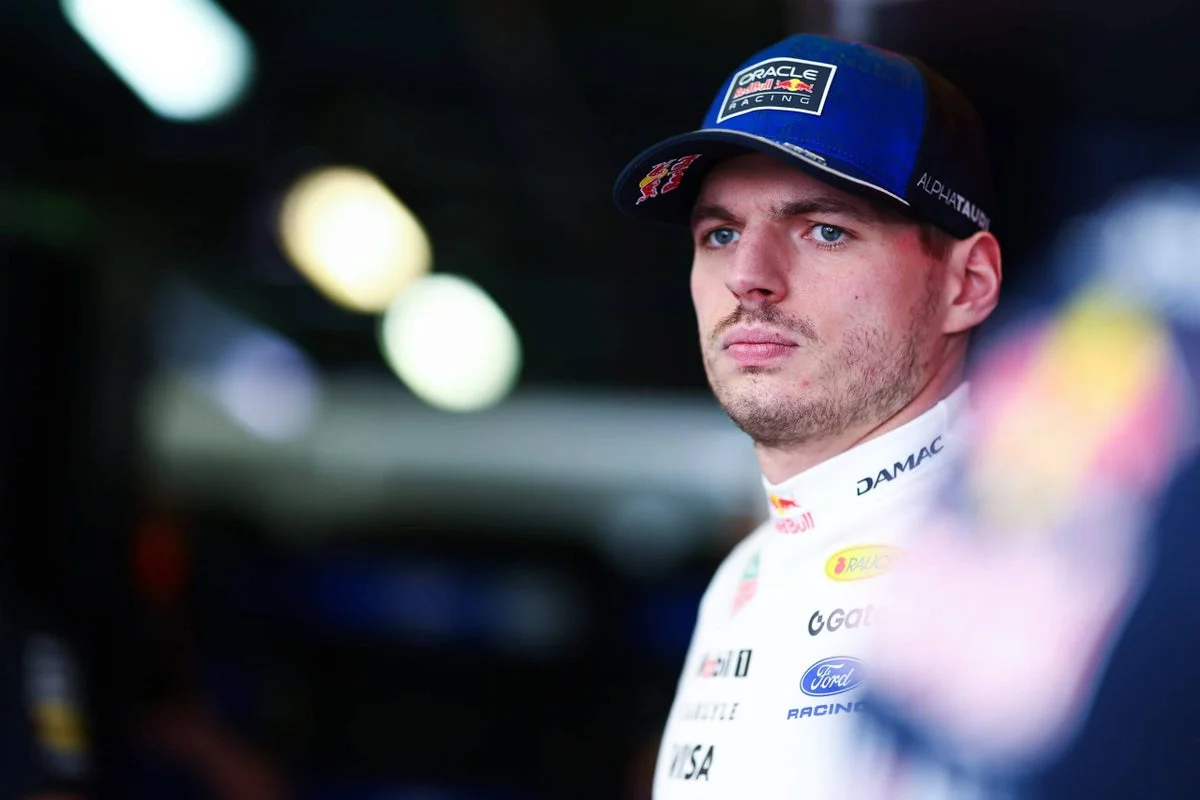
F1 and engine makers agreed a two-step plan to move the power split from 58-42 in 2027 to 60-40 in 2028, boosting the internal-combustion engine’s share; ICE power rises about 5% in 2027 and 13% in 2028 (to roughly 420 kW and 450 kW) while electrical power drops to 300 kW with energy-harvesting increasing to 375–400 kW, all aimed at restoring flat-out qualifying without harming racing. The move follows driver criticism, including Verstappen’s threat to quit, and comes with FIA performance rankings and upgrade allowances tied to deficits.

Sweeping 2026 F1 car rule tweaks approved after crunch meeting
sports2 months ago

Sweeping 2026 F1 car rule tweaks approved after crunch meeting

FIA and F1 announced a set of 2026 car regulation tweaks across qualifying, race, wet weather and starts to curb aggressive energy harvesting, balance performance and boost safety. Key changes include lowering energy recharge from 8MJ to 7MJ, raising peak power to 350kW, increasing the number of races with lower energy limits to 12, capping race Boost at +150kW with MGU-K limited to 250kW in most of the lap, higher tyre-blanket temps for intermediates, reduced ERS deployment, simplified rear lights, and a new low-power start detector with automatic MGU-K deployment plus a formation-lap energy reset. These will be tested at the Miami Grand Prix and await World Council approval.

FIA seals 2026 F1 rule tweaks ahead of Miami Grand Prix
formula-12 months ago

FIA seals 2026 F1 rule tweaks ahead of Miami Grand Prix

FIA, Formula 1, teams and power-unit manufacturers agreed on energy-management changes for 2026: super clipping rises from 250 kW to 350 kW from the Miami weekend; qualifying energy harvesting is cut from 8 MJ to 7 MJ (with possible further reductions on 12 circuits); MGU‑K deployment remains 350 kW in key acceleration zones but is limited to 250 kW elsewhere, and boost mode is capped at +150 kW. A new low-power start-detection system will trigger automatic MGU‑K deployment to aid slow starts, with a visual warning for following cars; wet-weather safety is improved with hotter tyre blankets, reduced ERS deployment and simplified rear lights. The proposals, pending World Council approval, will be implemented from Miami (start-change tests will occur at the next race weekend). The aim is to make qualifying more on the limit and enhance safety while preserving overtaking.

F1 overhauls hybrids to curb energy spikes and restore the show
sports2 months ago

F1 overhauls hybrids to curb energy spikes and restore the show

F1 is recalibrating its hybrid energy rules to curb aggressive energy harvesting and smaller speed gaps: from the Miami Grand Prix, per-lap recharge drops to 7 MJ, while MGU-K can deploy up to 350 kW in key zones and 250 kW elsewhere, with a 150 kW overtaking boost cap. The changes aim to keep laps faster and more competitive while reducing energy‑management drama, and they'll be tested alongside start-detection and wet-weather tweaks.

Reclaim Your Work Energy: Practical Steps to Beat Burnout
lifestyle2 months ago

Reclaim Your Work Energy: Practical Steps to Beat Burnout

Burnout is a three‑part syndrome (exhaustion, cynicism, and ineffectiveness) that goes beyond fatigue. Drawing on Christina Maslach’s framework, the piece offers actionable strategies: vet job fit in interviews, use onboarding tools to set expectations, perform an energy‑management audit to map energy patterns and adjust workloads, take short recovery breaks, and avoid shouldering every task alone by setting boundaries and pushing for organizational support—recognizing that burnout often stems from systemic issues, not just individual effort.

Burnout at work: what it is, why it happens, and how to fight back
explain-it-to-me2 months ago

Burnout at work: what it is, why it happens, and how to fight back

Vox explains burnout through the Maslach framework—three chronic dimensions: exhaustion, cynicism/ depersonalization, and ineffectiveness—and offers practical steps to address it: evaluate job fit during interviews, use a working-styles worksheet to articulate needs, conduct an energy-management audit with micro-breaks and environmental tweaks, set boundaries to avoid taking on everything alone, and recognize when systemic changes or leaving a job may be necessary. It also discusses generational differences in how burnout looks and emphasizes that personal effort isn’t enough to fix workplace systems.

FIA to Review F1 Energy Management After Bearman’s 50G Suzuka Crash
formula-13 months ago

FIA to Review F1 Energy Management After Bearman’s 50G Suzuka Crash

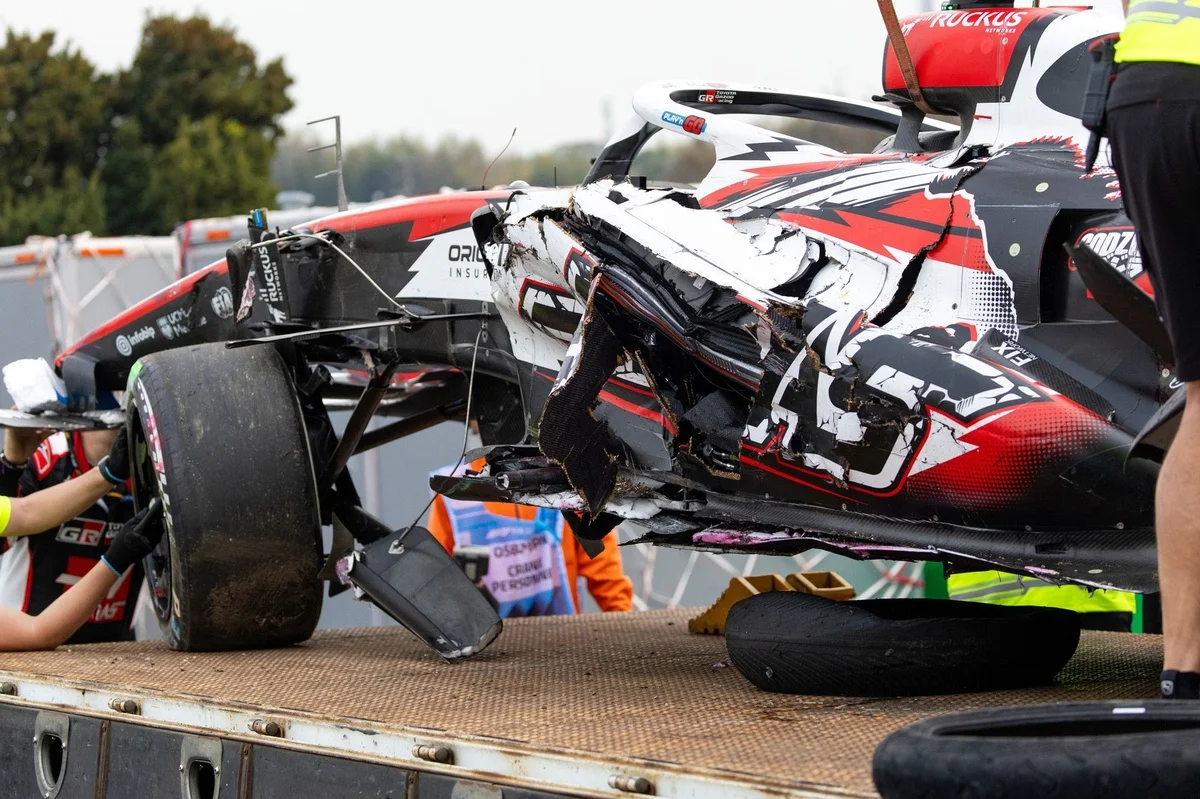
Oliver Bearman’s dramatic 50G crash at the Japanese Grand Prix has prompted the FIA to push a structured review of the 2026 energy-management regulations. With gaps in electrical boost causing dangerously high closing speeds, the FIA says meetings with teams, power-unit manufacturers, and FOM will assess the system and whether refinements are needed after collecting more data in the opening phase of the season, all while prioritizing safety.

Melbourne Opens F1's New Hybrid Era
sports4 months ago

Melbourne Opens F1's New Hybrid Era

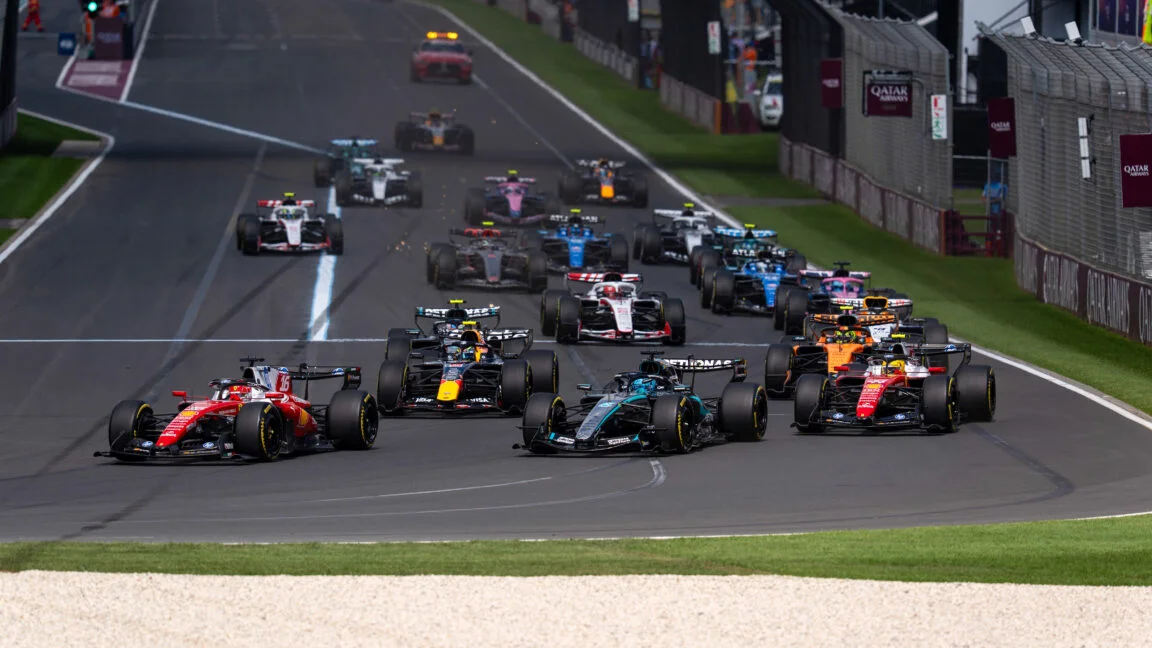
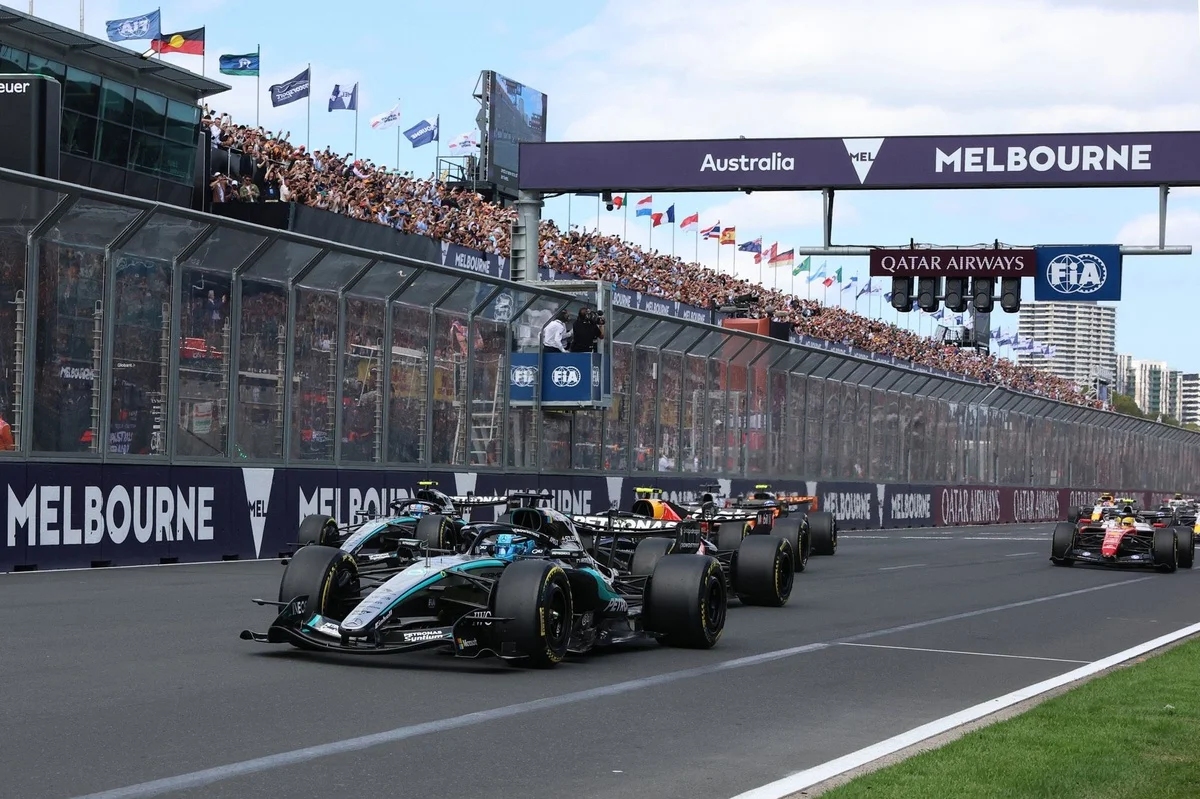
F1's 2026 season kicked off in Melbourne with a radical rules shake-up: smaller, lighter cars and far more powerful hybrid power units that force energy conservation across laps, reshaping race strategy. Mercedes showed pace as George Russell won, with Kimi Antonelli second and Charles Leclerc third; Lewis Hamilton finished fourth. Verstappen crashed in practice/qualifying, and Piastri failed to start due to power-unit issues, with six cars retiring overall. Cadillac and Audi debuted with mixed results as teams adapt to the new powertrains, and the season moves to Shanghai amid cautious optimism about the new racing format.

Fans weigh in on F1's bold 2026 era after season-opening race
sports4 months ago

Fans weigh in on F1's bold 2026 era after season-opening race

The season-opening Australian Grand Prix signaled the start of F1's new 2026 era, with cars designed around greater energy management and battery strategy that could reshape race dynamics. Early reactions from the paddock and fans are mixed: some praise the potential for deeper strategic battles, while others worry the emphasis on energy management may make races feel artificial. Motorsport.com invites readers to vote in a poll and share their views in the comments.

Melbourne test for F1's 2026 rules sparks driver pushback and paddock politics
sports4 months ago

Melbourne test for F1's 2026 rules sparks driver pushback and paddock politics

At the Australian Grand Prix, drivers praised the number of overtakes but criticized F1's 2026 hybrid rules—particularly the 50/50 ICE-to-battery power split and energy modes like Straight Mode—that can sap power and make passing feel artificial, raising safety concerns; paddock politics are emerging as teams and the FIA consider tweaks ahead of Shanghai.

Russell fires back at Norris over F1 rule critique
sports4 months ago

Russell fires back at Norris over F1 rule critique

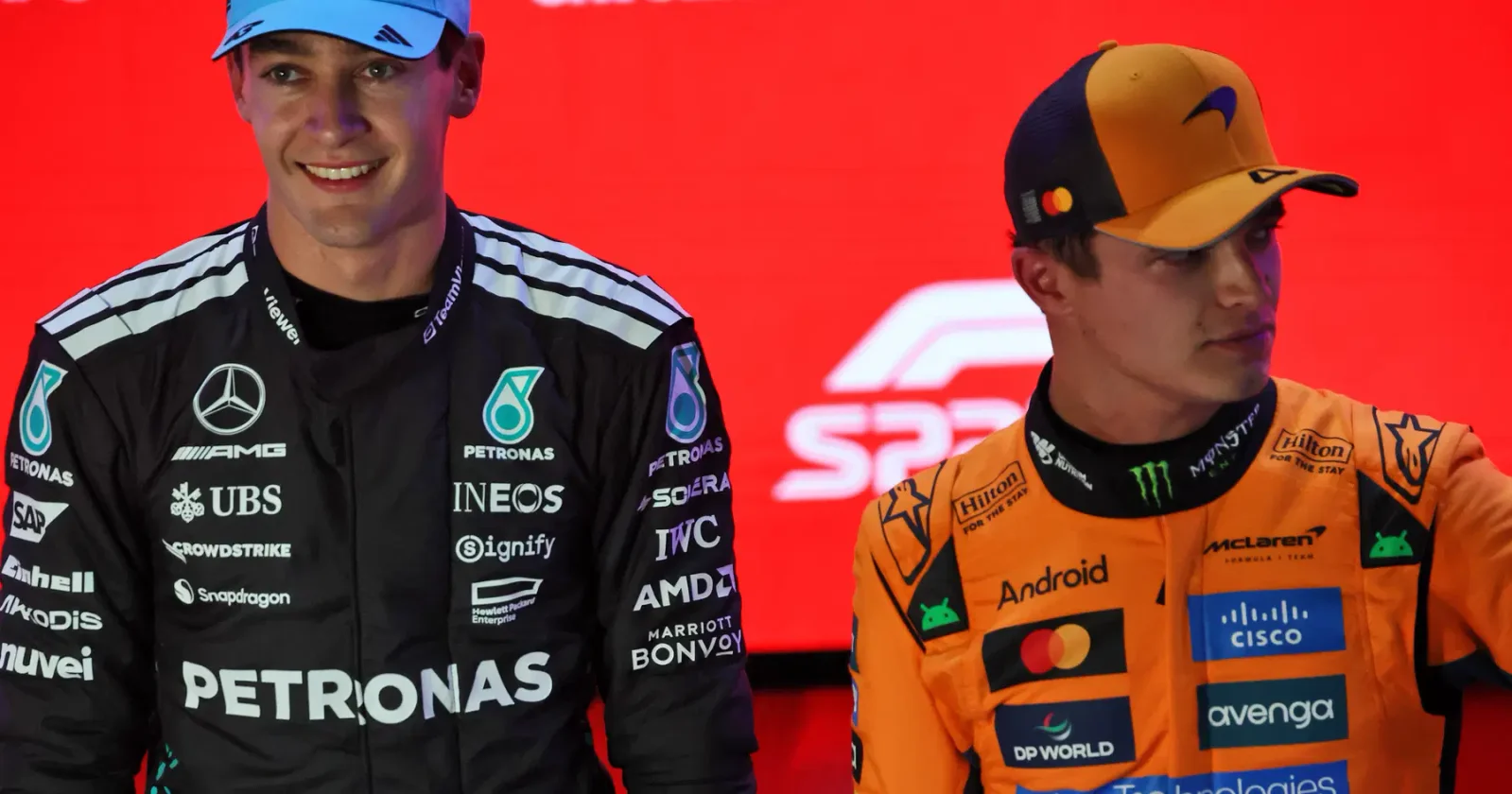
George Russell hit back at Lando Norris's critique of F1's energy-management–driven new rules after Norris's post-Australian GP comments, saying drivers are inherently selfish and urging fans to give the regs a proper chance. Russell, who won the Australian GP from pole and now leads the title race, argued energy strategy will vary by track (Shanghai next) and noted last year McLaren beat him with a similar engine, illustrating that results depend on how teams interpret the rules.

F1 2026: Bigger power, tighter energy management, and Apple TV takes the broadcast reins
sports4 months ago

F1 2026: Bigger power, tighter energy management, and Apple TV takes the broadcast reins

F1’s 2026 rules reset brings 1.6 L V6 hybrids with a boosted MGU-K and larger battery, delivering up to 1,006 hp but requiring careful energy deployment (8.5 MJ per lap) through regen and “superclipping”; drivers like Verstappen and Hamilton warn the new energy-management demands, while Aston Martin Honda battles a vibration issue that could jeopardize early races; Apple TV becomes the U.S. broadcaster for F1, offering F1TV Premium via Apple platforms with multi-view feeds, enhanced maps, and live audio and content through Apple Music and related apps.

Long COVID: Eight Forms Identified, Treatments Lag
health4 months ago

Long COVID: Eight Forms Identified, Treatments Lag

A physician watches his 28-year-old daughter, Samantha, endure severe long COVID, a condition now recognized to have eight distinct forms; despite growing scientific awareness, effective treatments remain scarce, forcing patients to carefully budget energy, endure debilitating “crashes” that can confine them to bed for days, and rely on disciplined routines as researchers seek better therapies.

Maximize Your Lunch Break: Escape the Desk and Rejuvenate
lifestyle6 months ago

Maximize Your Lunch Break: Escape the Desk and Rejuvenate

The article emphasizes the importance of taking a proper lunch break to recharge, suggesting small, manageable activities like a 10-minute walk, maintaining routine with some variety, and choosing balanced, nourishing meals to sustain energy and focus throughout the day. It also highlights the benefits of stepping away from work to improve mental health and productivity.