Tag

Energysecurity

All articles tagged with #energysecurity

Oil Dips Under $100 as Iran-Deal Hopes Provide Brief Market Relief
business2 days ago

Oil Dips Under $100 as Iran-Deal Hopes Provide Brief Market Relief

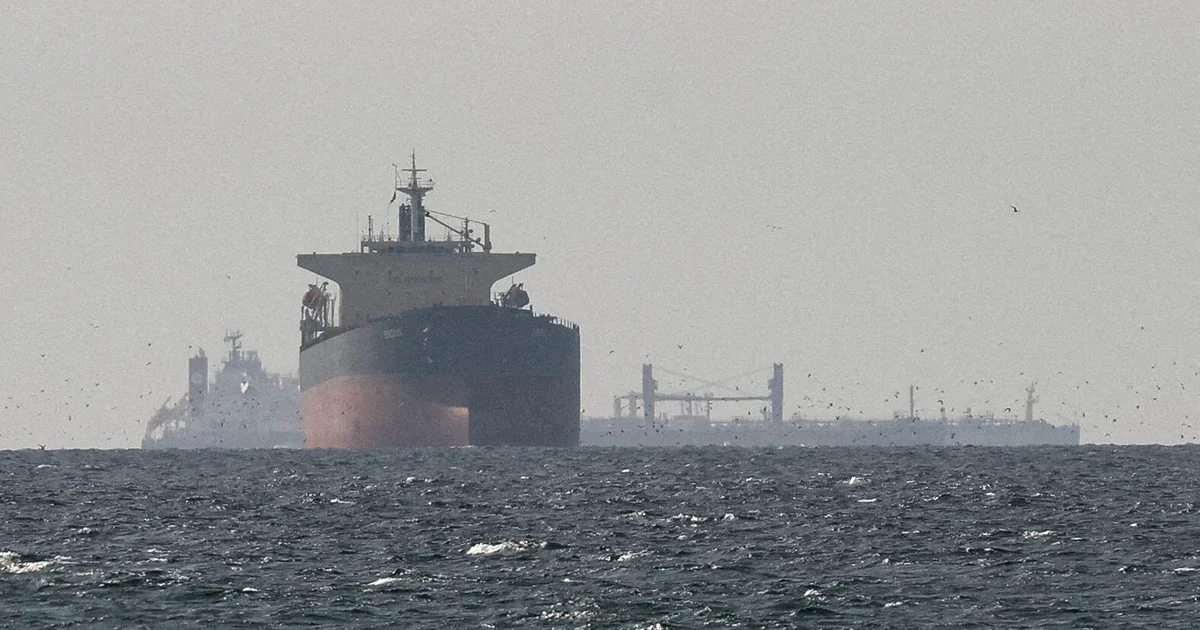
Brent crude trades around $98.76 a barrel (about a 4.6% drop) as talk of a possible US-Iran deal to reopen the Strait of Hormuz tempers markets, but supply disruptions remain severe: roughly 14 million barrels per day blocked and inventories depleted. Even with an agreement, confidence to restart large-scale flows could take weeks to months, keeping prices and gasoline costs elevated until production and transit normalize.

Hormuz Leverage Deepens as Iran Expands Maritime Reach
world21 days ago

Hormuz Leverage Deepens as Iran Expands Maritime Reach

Iran’s Revolutionary Guard released a map that widens its claimed maritime control toward the UAE, signaling greater leverage in the US-Israel confrontation. The move comes as the US has launched a “Project Freedom” plan to escort vessels through the strategically vital Strait of Hormuz, and after drone and missile strikes on the UAE’s Fujairah energy hub. Analysts say Iran can pressure global markets by disrupting traffic in Hormuz, even without a full closure, raising oil/LNG prices and complicating international security and diplomacy amid a fragile ceasefire.

Oil shock redux: could today’s disruption outpace the 1970s?
business1 month ago

Oil shock redux: could today’s disruption outpace the 1970s?

The BBC reports that the Iran-war–driven disruption of the Strait of Hormuz could dwarf the 1970s oil shocks, with about 20% of world oil supply affected and the risk of sharp price spikes and inflation—potentially deepening recession concerns—though many analysts say today’s market is more diversified and buffered, which could limit the hit if the conflict ends quickly.

Iran Emulates Ukraine Tactics to Block Hormuz with Drones
world2 months ago

Iran Emulates Ukraine Tactics to Block Hormuz with Drones

Iran is using cheap, unmanned drones to keep the Strait of Hormuz effectively closed, mirroring Ukraine’s drone-driven strategy against a larger navy. As Tehran pushes to control the strait, the U.S. and Gulf partners face a difficult challenge: escorting ships may be less effective against drones, and reopening the strait could hinge on diplomacy rather than outright force. The closure is driving up global oil prices and costs, illustrating how asymmetric warfare can win economically even if it doesn’t decisively defeat the opponent.

Remote work and slower driving urged to stretch global energy supplies
world2 months ago

Remote work and slower driving urged to stretch global energy supplies

Amid high energy prices, the IEA urges governments to cut energy use with measures such as promoting remote work, slower driving speeds, and greater reliance on public transport, alongside policies like shorter school hours and reduced air travel; the agency stresses broader shifts toward renewables, energy efficiency, and potential stock releases to bolster energy security.

Gulf on edge as Iran strikes Ras Laffan LNG, escalating regional war risk
world2 months ago

Gulf on edge as Iran strikes Ras Laffan LNG, escalating regional war risk

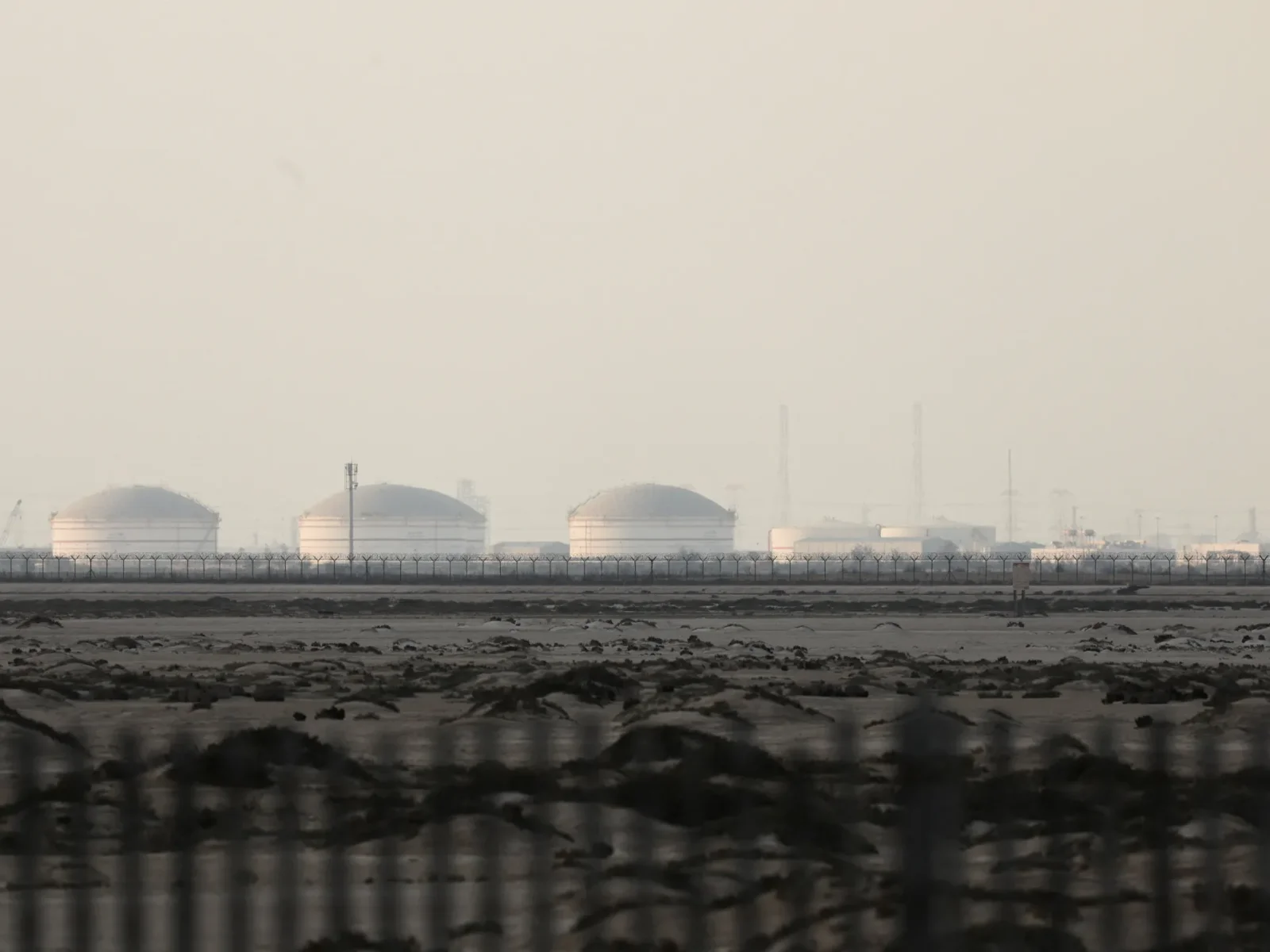
Iran escalates the Gulf crisis by attacking energy facilities, including Qatar’s Ras Laffan LNG complex, after an Israeli strike on Iran’s South Pars field, prompting Gulf states to consider retaliation amid the broader US-Israel campaign against Iran and drawing in regional powers as fires and disruptions threaten global energy supplies; Washington and Gulf leaders trade warnings and calls for vigilance, while incidents extend to Saudi Arabia, UAE, Kuwait, and Bahrain and a UKMTO report notes activity near Ras Laffan.

"Biden's Decision to Halt LNG Exports Sparks Fossil Fuel Industry Backlash"
environment-politics2 years ago

"Biden's Decision to Halt LNG Exports Sparks Fossil Fuel Industry Backlash"

President Biden announces a temporary pause on pending decisions of Liquefied Natural Gas exports, except for national security emergencies, to assess their impacts on energy costs, energy security, and the environment. The administration aims to address the climate crisis and prioritize clean energy jobs while rejecting complacency and special interests.