Bloomberg's Mark Gurman reports Apple explored a 'white-glove' option for its Apple Upgrade program to ship replacement iPhones already loaded with each customer's data, but the idea never progressed beyond planning and was not included in the launched program, likely due to privacy concerns and questions about data transfer and access.
Apple reportedly debated a 'white-glove' upgrade that would ship a new iPhone preloaded with your iCloud data to simplify setup. The feature never launched, partly because the backup would be outdated by shipment time and privacy concerns about data transfer remained. The concept drew on Apple’s in-store Presto system, but no rollout occurred.
Nintendo released its August 2026 maintenance schedule, adding an extra one-hour window that impacts Switch Online for Switch‑to‑Switch transfers and save data cloud, with downtime planned for Aug 17–18 and an additional Aug 18 window dedicated to transferring save data between Switch models and the Save Data Cloud.
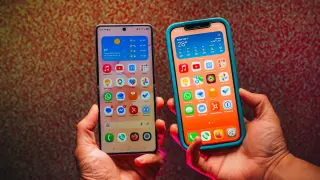
Samsung’s updated Smart Switch now works with iOS 26’s Transfer to Android, letting you wirelessly move iPhone data to a Galaxy (including text messages and apps) via a QR‑code setup and even migrate the SIM to an eSIM; the home screen layout is preserved, but occasional transfer hiccups remain and iMessage can still cause some messaging quirks as RCS improvements continue.
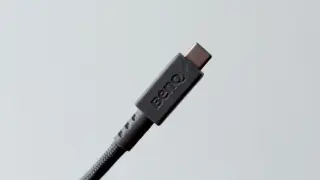
USB4 cables offer far more than fast charging, delivering up to 80 Gbps symmetric (or 120/40 Gbps asymmetric with USB4 v2) and the ability to power an entire setup—monitors, fast SSDs, docks, and a laptop—while remaining backward compatible with older devices. USB-C only describes the connector, and many cables vary in capability, so a device with a USB-C port may still be limited to USB 2.0 speeds if the included cable is basic. Buy premium USB4 cables mainly if your devices actually support USB4 to reap the benefits; otherwise cheaper dedicated power-delivery cables can handle simple, fast charging. Thunderbolt 4/5 are Intel counterparts sharing the same connector, and you should match the cable to what your device officially supports to get the advertised performance.
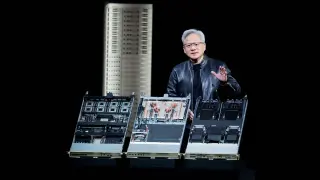
AI workloads are limited by how quickly data moves between chips and servers; photonics—using light rather than copper wires—could dramatically speed interconnects and reduce energy use, a technology Nvidia is betting on with billions in investments (Lumentum, Coherent, Marvell, Corning, Ayar Labs) to scale silicon photonics and GPU-to-GPU links, though mass deployment faces manufacturing ramp and redesign challenges to replace copper in existing product roadmaps.
Nintendo blocks direct sharing of Tomodachi Life media to phones, but you can still access your screenshots and videos by pulling them to a PC: (1) USB method—Data Management > Copy to PC over USB, connect your Switch to a PC, then open the Switch/Album/Tomodachi Life: Living the Dream to save files; (2) MicroSD method—Copy All Screenshots and Videos to a microSD Express Card, remove the card, insert into a PC, and transfer. Both require a computer and bypass the in-app sharing restriction.
NASA's Deep Space Optical Communications experiment on the Psyche asteroid mission successfully completed its final test, exchanging laser signals across 218 million miles and achieving high data transfer rates, marking a significant advancement in deep space communication technology that could enhance future Mars missions.
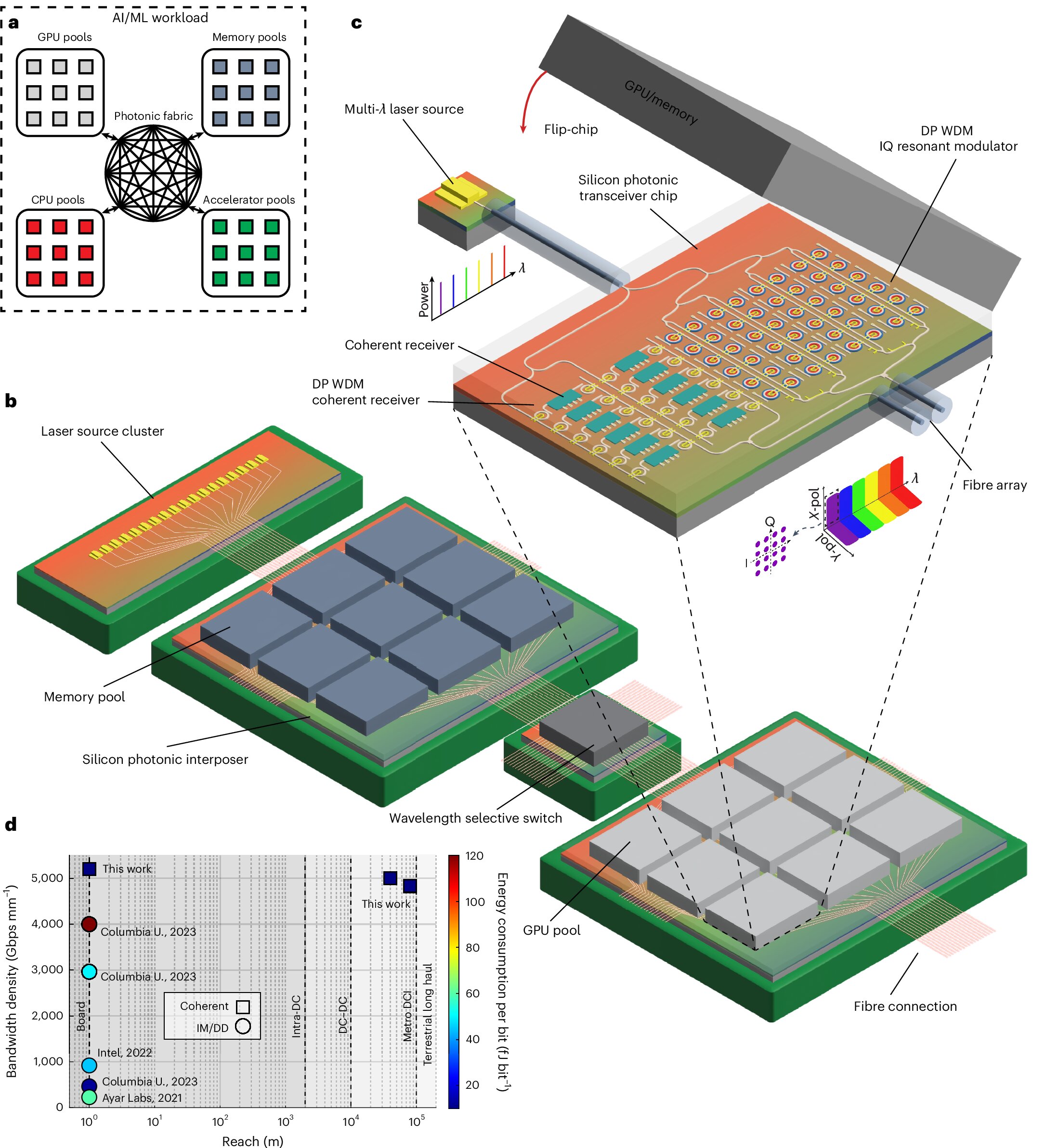
A team from COPL has developed an ultra-compact silicon photonic chip that uses light phase and intensity to transfer data at speeds up to 1,000 gigabits per second, significantly improving energy efficiency and enabling rapid AI data processing, with potential applications in future data centers.
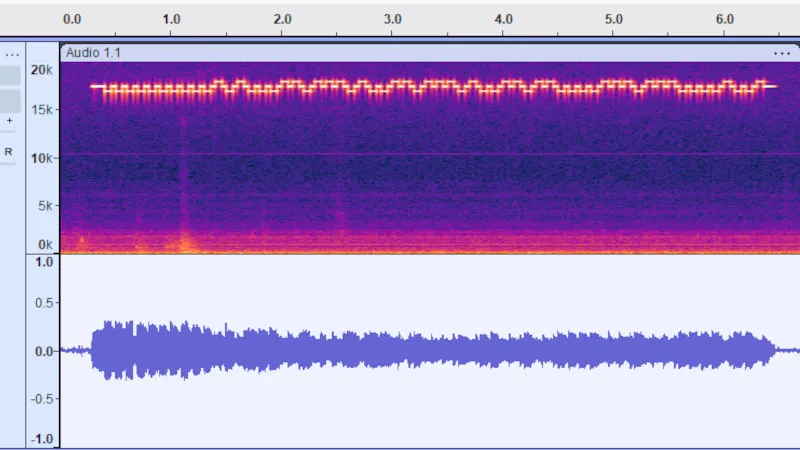
A researcher has demonstrated a method to transfer data between computers using ultrasonic sound waves, potentially bypassing air gaps in security, though it's more of a novelty than a reliable attack method, and mainly applicable to laptops with speakers and microphones.
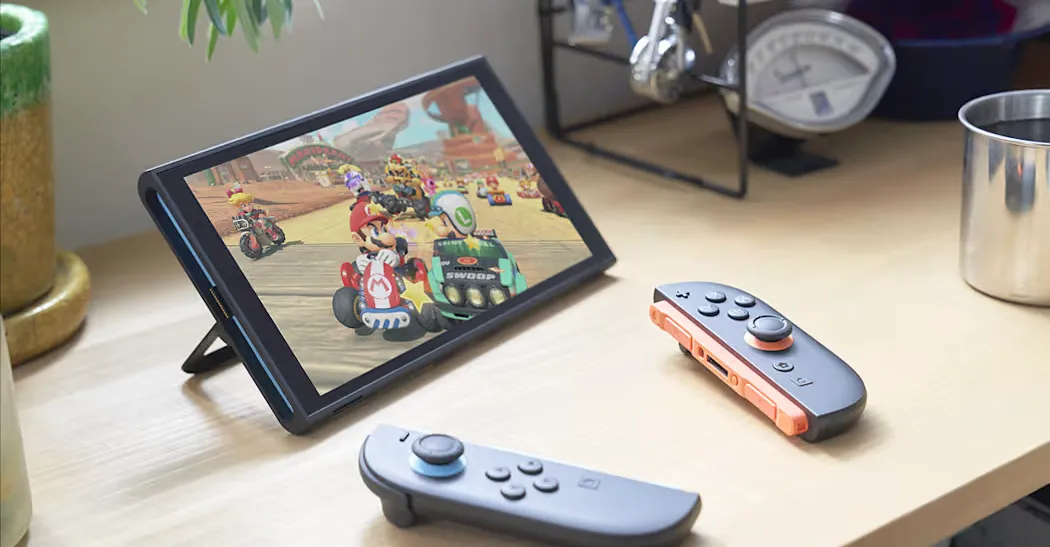
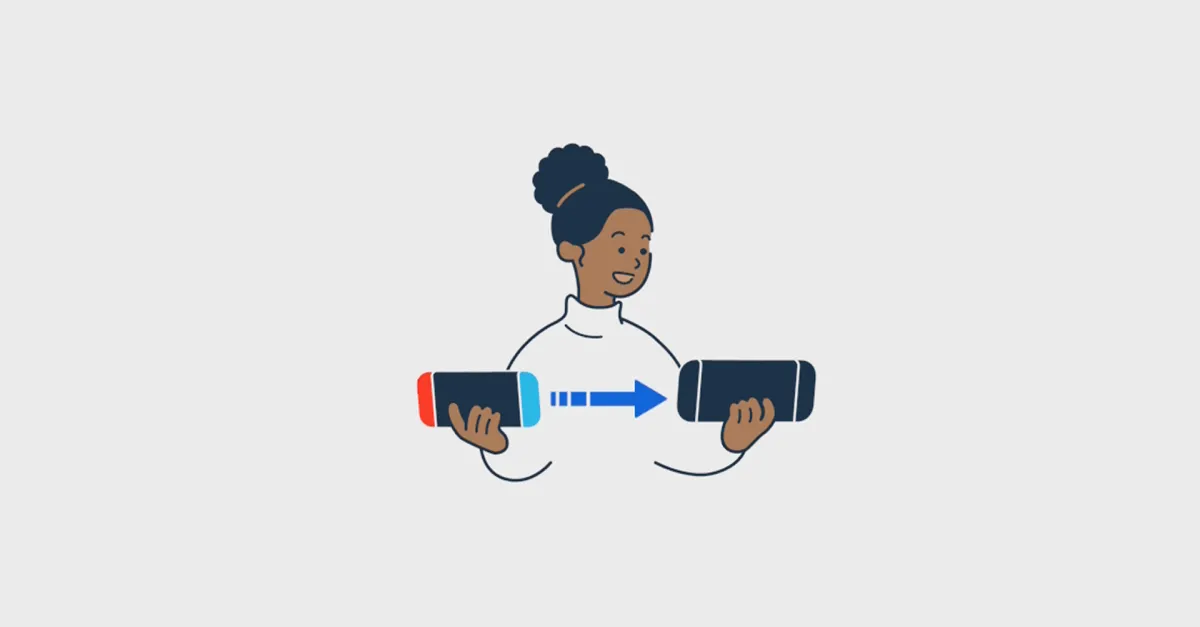
The article provides a step-by-step guide for transferring data from an original Nintendo Switch to a Switch 2, including local and remote transfer options, and explains what data is transferable. It highlights the ease of moving all user data and games, with some exceptions like custom settings and non-cloud-supported games, and offers tips for backing up data if not upgrading immediately.
The article provides a step-by-step guide for setting up the new Nintendo Switch 2, including preparing for setup, performing the day-one system update, and transferring data from the original Switch, emphasizing the importance of having internet, account info, and nearby devices ready for a smooth process.
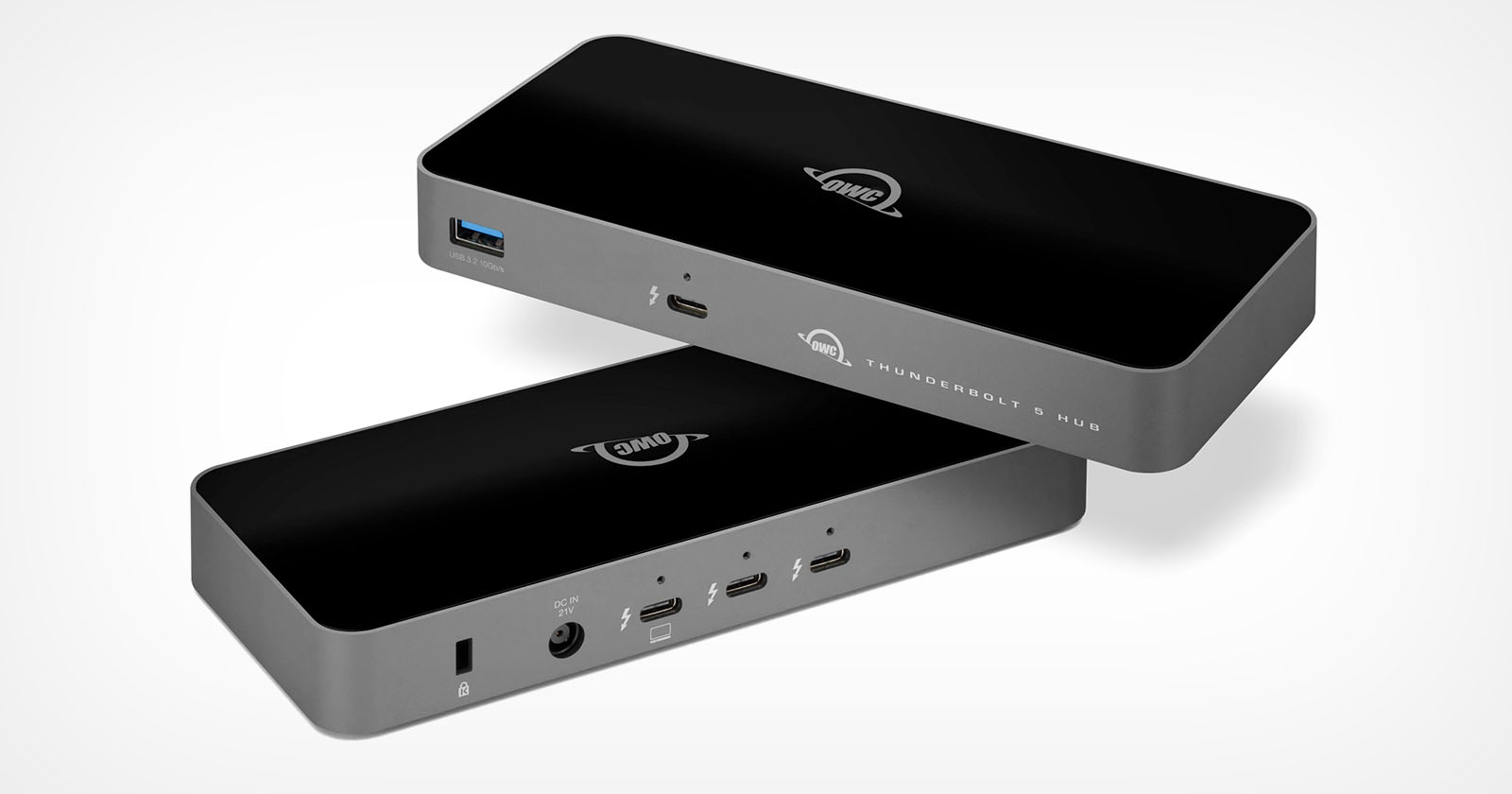
OWC has announced its new Thunderbolt 5 Hub, designed to maximize the capabilities of the latest Thunderbolt 5 technology found in Apple's newest MacBook Pro and Mac mini models. The hub offers multiple connectivity options, including four USB-C ports and one USB Type A port, and supports data transfer speeds up to 120Gb/s. It is compatible with both Mac and Windows devices and can deliver up to 140 watts of power over USB-C. The hub is available for preorder at $189.99 and is expected to ship in December.
OWC has announced its new Thunderbolt 5 Hub, which expands a single Thunderbolt port into three Thunderbolt 5 ports and one USB-A port, supporting Apple's latest Mac models with M4 chips. The hub offers up to 80Gb/s bi-directional data transfer speeds, supports up to three 8K displays, and provides 140W power delivery. It maintains backward compatibility with Thunderbolt 3/4 and USB-C devices, and is available for pre-order at $189.99, shipping in December.
Google Maps will delete location history saved in Google accounts starting June 9, 2024, to improve privacy. Users must transfer their Timeline data to their devices by December 1, 2024, to retain it. This change currently affects users in the United States, with potential global expansion.