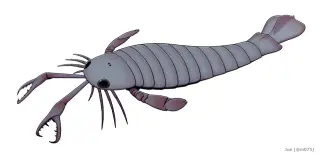
Jaekelopterus, a giant eurypterid reaching 2.6 meters, was the largest arthropod predator known, featuring 45.5-centimeter claws and enhanced low-light vision, thriving in Early Paleozoic oceans for over 200 million years.
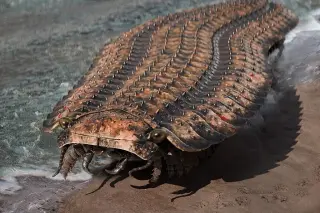
A survey of ancient, oversized arthropods shows how Earth’s oxygen-rich Carboniferous forests and evolving ecosystems produced giants like Meganeuropsis and Meganeura with wingspans up to 71 cm, Arthropleura at about 2.5 meters long, and Pulmonoscorpius around 70 cm, plus other towering forms such as Mazothairos (56 cm wingspan with six wings), Chimerarachne, Ceratomyrmex, Manipulator, Hibbertopterus, and Titanomyrma. The article explains how these giants—far from insects today—lived in swampy, deltaic habitats, often captured in amber, and notes that even mosquitoes became deadly disease vectors, illustrating a prehistoric world where size and diversity reached remarkable extremes due to ecological opportunities and atmospheric conditions.