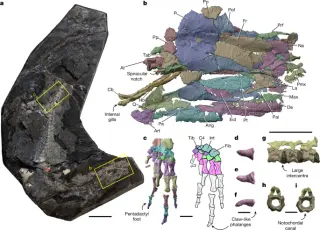
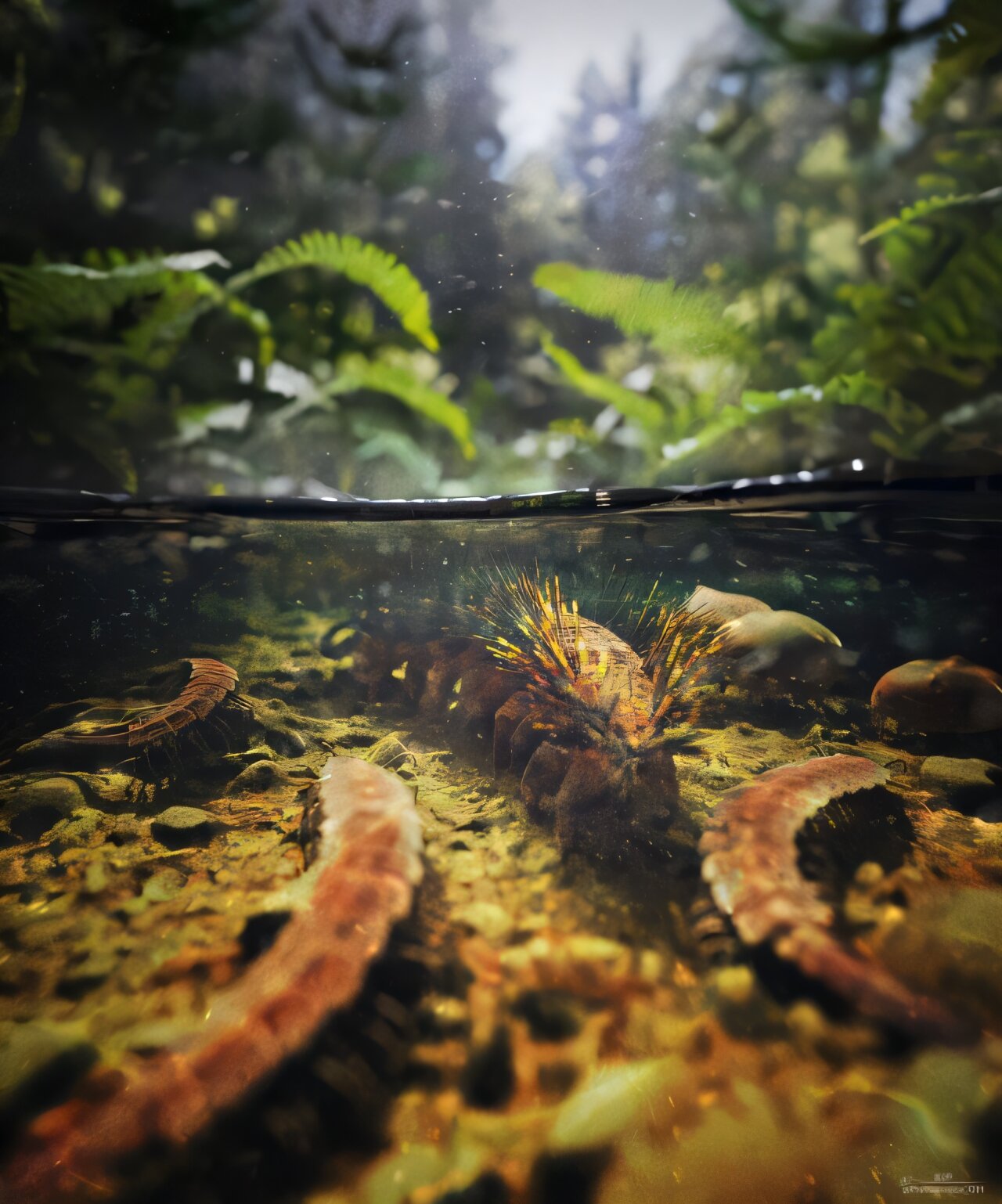
A new study in Nature reclassifies the Early Carboniferous fossil Westlothiana lizziae as a stem tetrapod rather than an early amniote, revealing that terrestrial adaptations evolved in a mosaic fashion within an amphibious context.
A survey of ancient, oversized arthropods shows how Earth’s oxygen-rich Carboniferous forests and evolving ecosystems produced giants like Meganeuropsis and Meganeura with wingspans up to 71 cm, Arthropleura at about 2.5 meters long, and Pulmonoscorpius around 70 cm, plus other towering forms such as Mazothairos (56 cm wingspan with six wings), Chimerarachne, Ceratomyrmex, Manipulator, Hibbertopterus, and Titanomyrma. The article explains how these giants—far from insects today—lived in swampy, deltaic habitats, often captured in amber, and notes that even mosquitoes became deadly disease vectors, illustrating a prehistoric world where size and diversity reached remarkable extremes due to ecological opportunities and atmospheric conditions.
Researchers in Ireland’s Burren and Donegal uncovered Carboniferous-era shark fossils—Psephodus magnus teeth and an Oracanthus milleri fin spine—marking the first fossil fish records from these sites and offering new insights into ancient marine life and shark evolution, with citizen scientists helping the discovery and the findings shared in an open-access preprint.
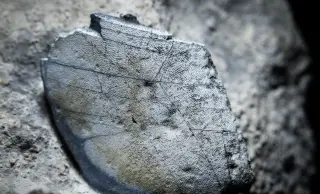
A 310-million-year-old shark egg case found in South Yorkshire preserves soft tissue, offering rare insight into early shark reproduction (egg-laying) and the Carboniferous ecosystem.
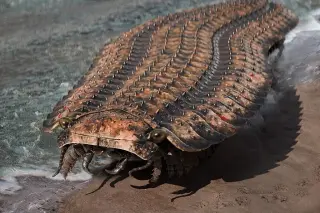
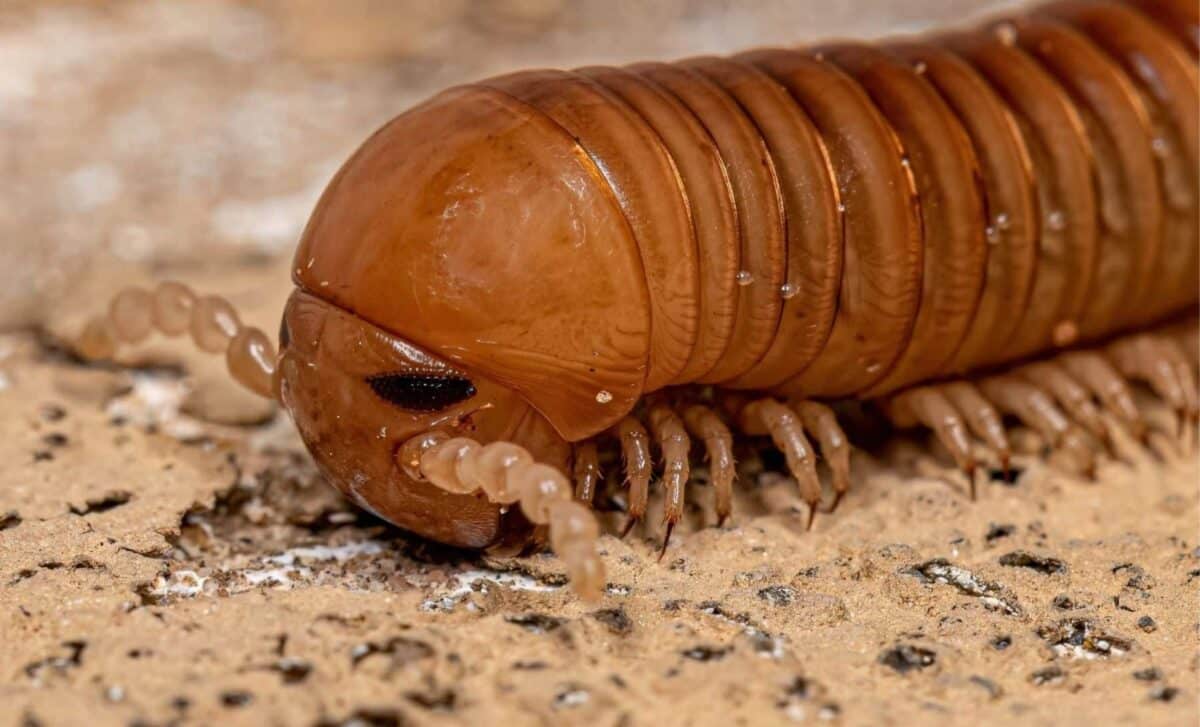
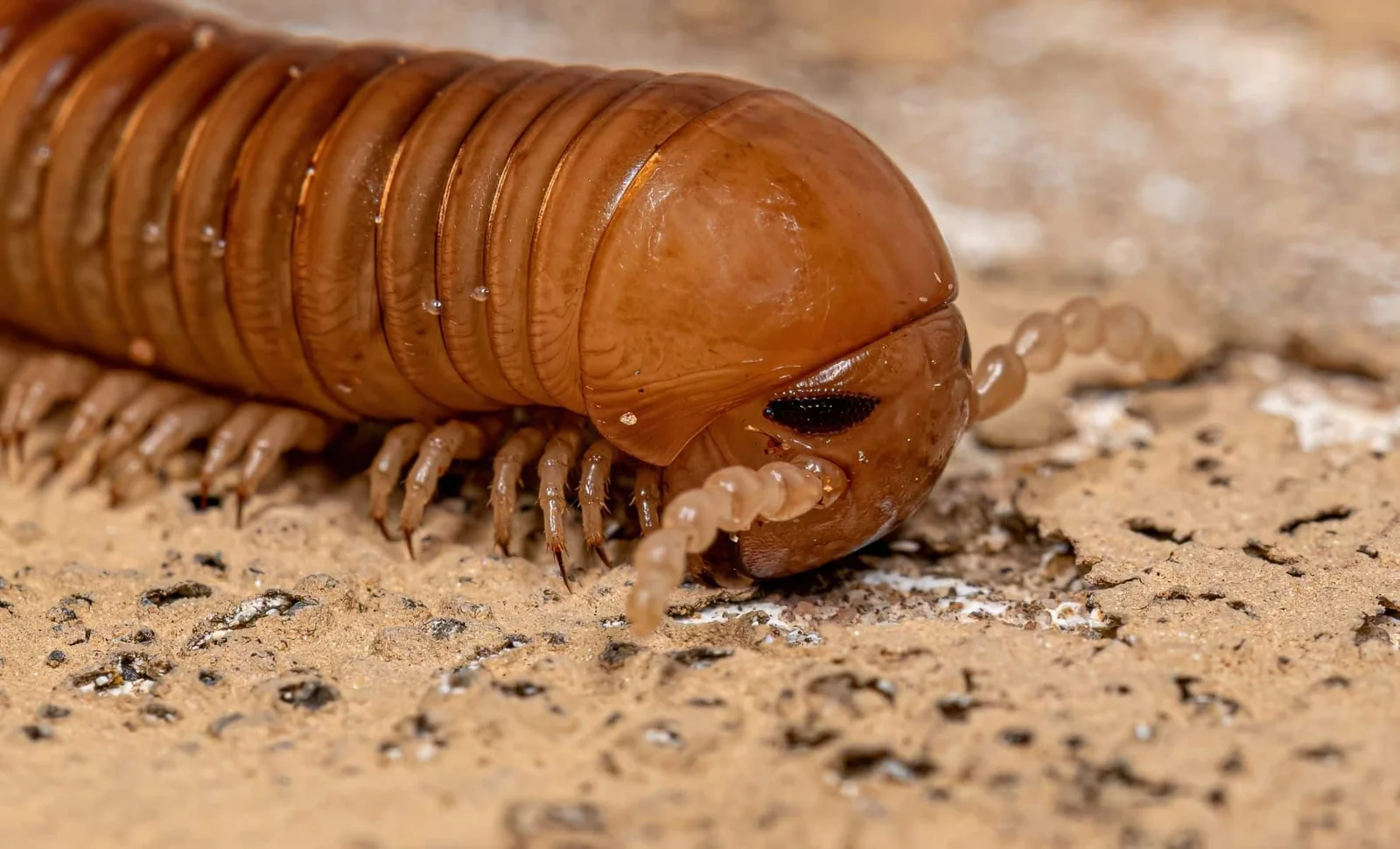
New high-resolution scans of a 3-meter-long, ~50-kg Arthropleura fossil from France reveal a circular head with antennae and eyes, showing a mix of millipede- and centipede-like features. This overturns the image of a giant predator and suggests a slow detritivorous lifestyle, placing Arthropleura as a stem-group relative to millipedes within the Carboniferous myriapod lineage, and dating it to about 345–290 million years ago in Europe and North America.
A 307-million-year-old skull recovered from a fossilized tree stump in Nova Scotia reveals grinding teeth suited for plants in Tyrannoroter heberti, pushing back the origin of herbivory among land vertebrates to the Carboniferous and suggesting multiple independent plant-eating lineages.
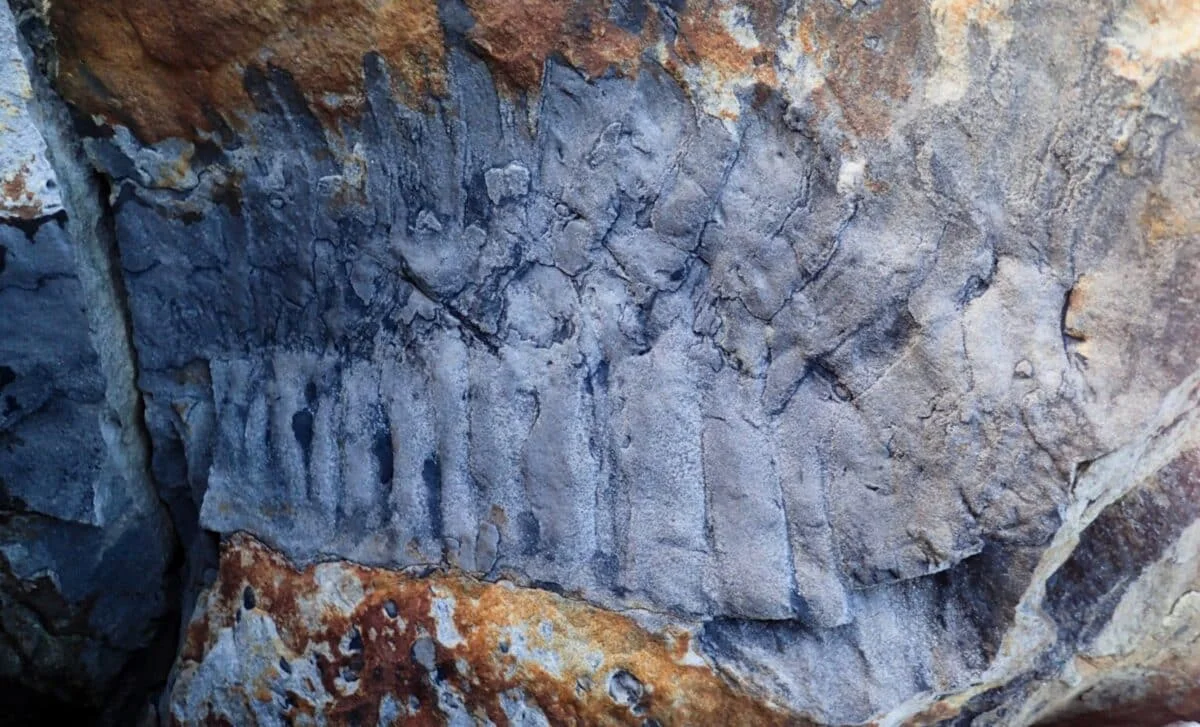
A 326-million-year-old fossil of Arthropleura, a giant millipede, was discovered in England, revealing it to be the largest land invertebrate in Earth's history, measuring nearly nine feet long. The find challenges previous assumptions about prehistoric gigantism being driven solely by oxygen levels and highlights the diverse ecosystems of the Carboniferous period. The fossil provides new insights into ancient invertebrate life and their environments.
Scientists discovered a fossil of Arthropleura, a giant millipede from 326 million years ago, which grew up to 9 feet long, providing new insights into prehistoric ecosystems and arthropod evolution.
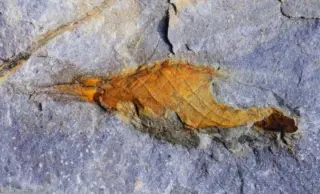
A fossil initially misidentified as a caterpillar has been reclassified as Palaeocampa anthrax, the oldest known nonmarine lobopodian, revealing new insights into early animal evolution and freshwater ecosystems during the Carboniferous period.