Tag

Eye Evolution

All articles tagged with #eye evolution

Two Retinas from One Median Eye: The 600-Million-Year Tale Behind Human Vision
science24 days ago

Two Retinas from One Median Eye: The 600-Million-Year Tale Behind Human Vision

A new evolutionary model proposes that vertebrate eyes, including humans', arose not from scratch but by repurposing components from a single ancient median eye about 600 million years ago. Over time, this median organ diversified into left/right retinas and the pineal system, with embryonic retina development tracing back to brain tissue. The scenario helps explain how different cell lineages fused into the vertebrate visual circuitry, supported by comparative data across species and recent studies of early retinal cell types.
From a cyclops-like ancestor to modern eyes: new theory on vertebrate eye origin
science1 month ago

From a cyclops-like ancestor to modern eyes: new theory on vertebrate eye origin

Researchers propose vertebrate eyes evolved from a cyclops-like, midline median eye in a 600-million-year-old ancestor; as the lineage regained mobility, parts of that central eye were repurposed to form image-forming eyes, while the pineal gland in the brain may preserve this ancient vision lineage, helping explain why vertebrate retina develops from brain tissue.

A lone ancestral eye gave rise to vertebrate vision, new theory claims
science5 months ago

A lone ancestral eye gave rise to vertebrate vision, new theory claims

Researchers from the University of Sussex and Lund University propose that vertebrate eyes did not evolve from early paired eyes but were reinvented from a single central photoreceptive organ after ancestral deuterostomes lost their eyes. This organ supposedly integrated both rhabdomeric and ciliary photoreceptors, with the pineal gland as a remaining link to this history. Published in Current Biology, the hypothesis offers testable predictions but still requires firmer evidence.

600-Million-Year Cyclops Traced as Progenitor of Vertebrate Vision
science5 months ago

600-Million-Year Cyclops Traced as Progenitor of Vertebrate Vision

New research links vertebrate vision to a 600-million-year-old wormlike ancestor that had a single median eye. Over time, that eye’s light-sensing cells organized into the modern image-forming eyes, while the pineal gland remains a direct descendant; this explains why vertebrate retinas develop from brain tissue and why insect and squid eyes originate from skin.

Scottish 443-million-year-old eel-like fossils reveal early bones and camera-like eyes
science7 months ago

Scottish 443-million-year-old eel-like fossils reveal early bones and camera-like eyes

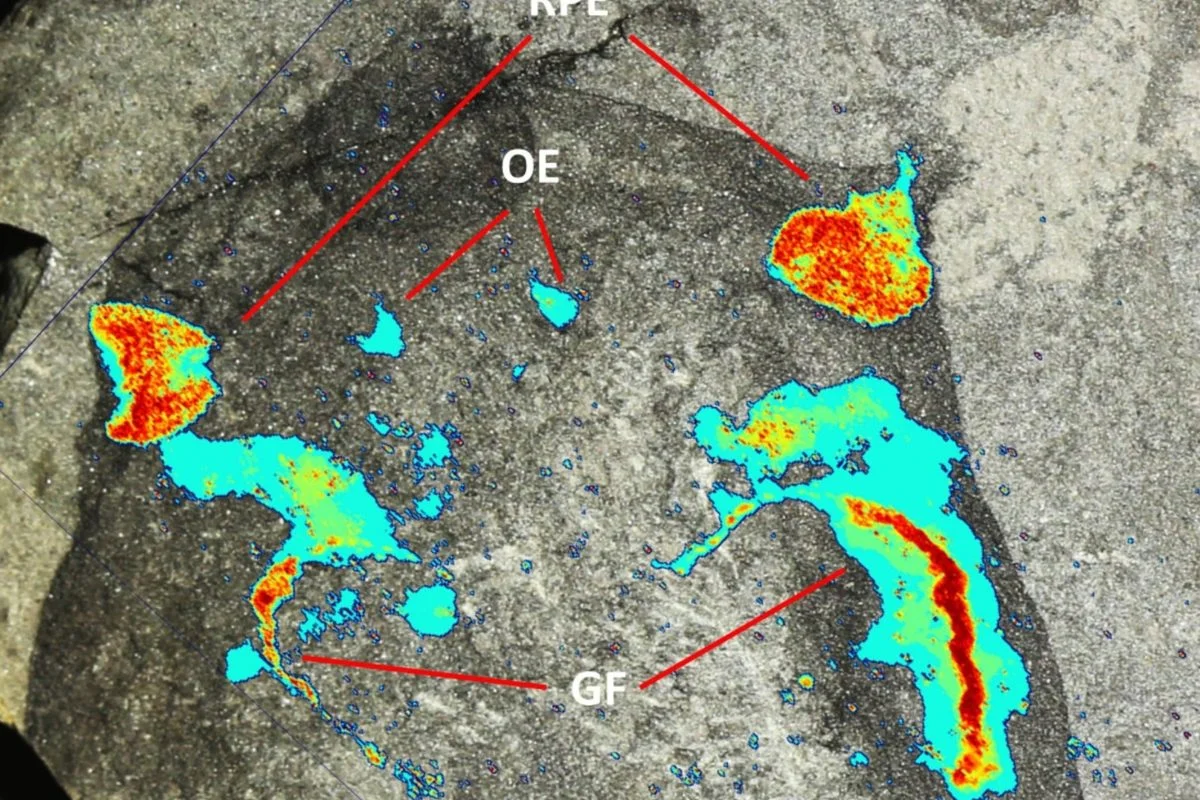
Researchers using synchrotron X-ray imaging analyzed 443-million-year-old Jamoytius and Lasanius fossils found near Glasgow. They discovered bone-like tissues and traces of zinc and copper in the eyes, indicating advanced camera-type eyes and early bone development in vertebrates, pushing back the origin of these features. The study, published in Proceedings of the Royal Society B, suggests these early vertebrates were less primitive than previously thought.