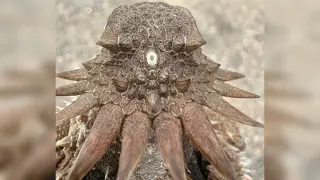
New Model Links Human Vision and Sleep Cycles to a 600-Million-Year-Old 'Cyclops' Ancestor
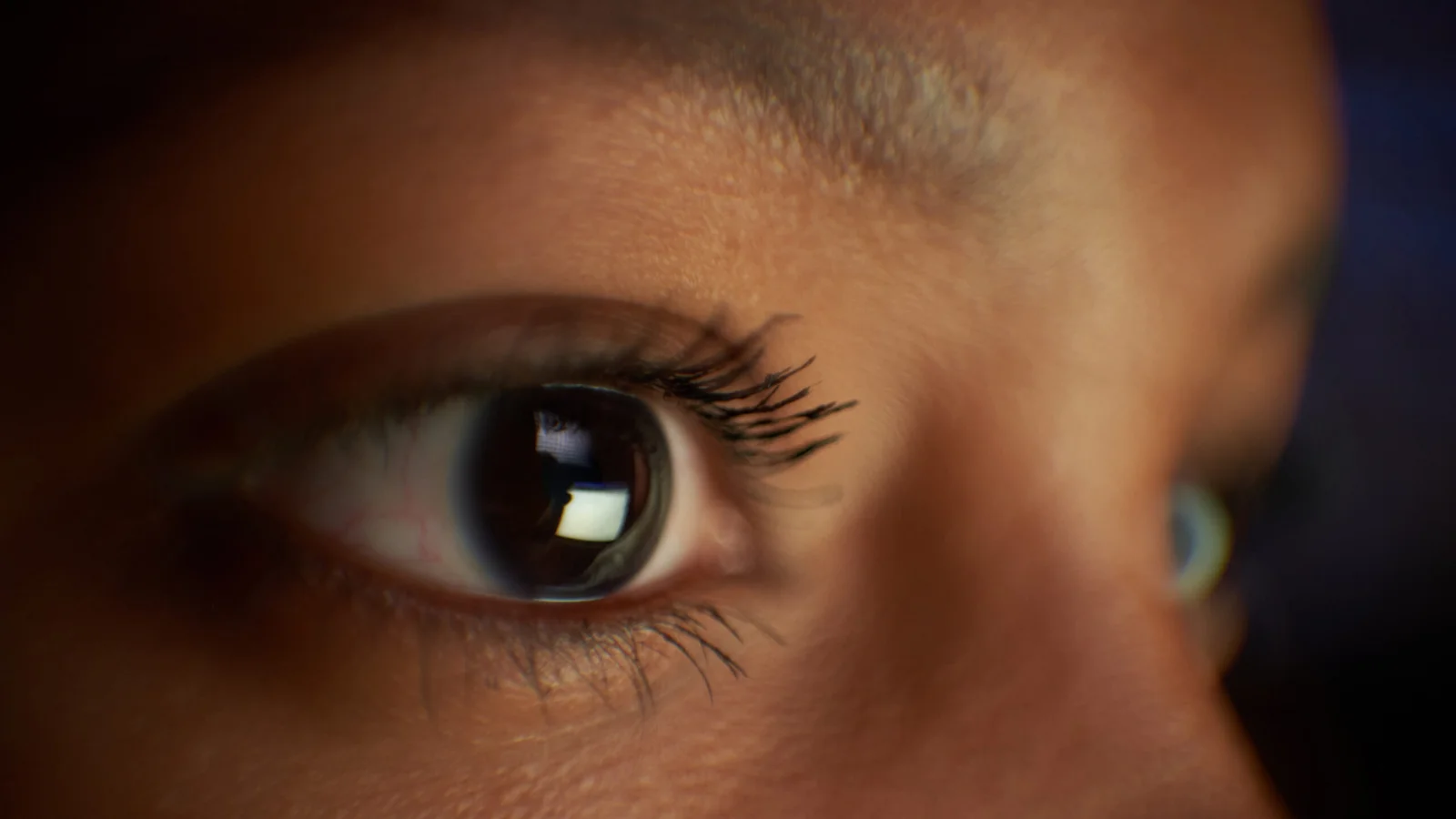
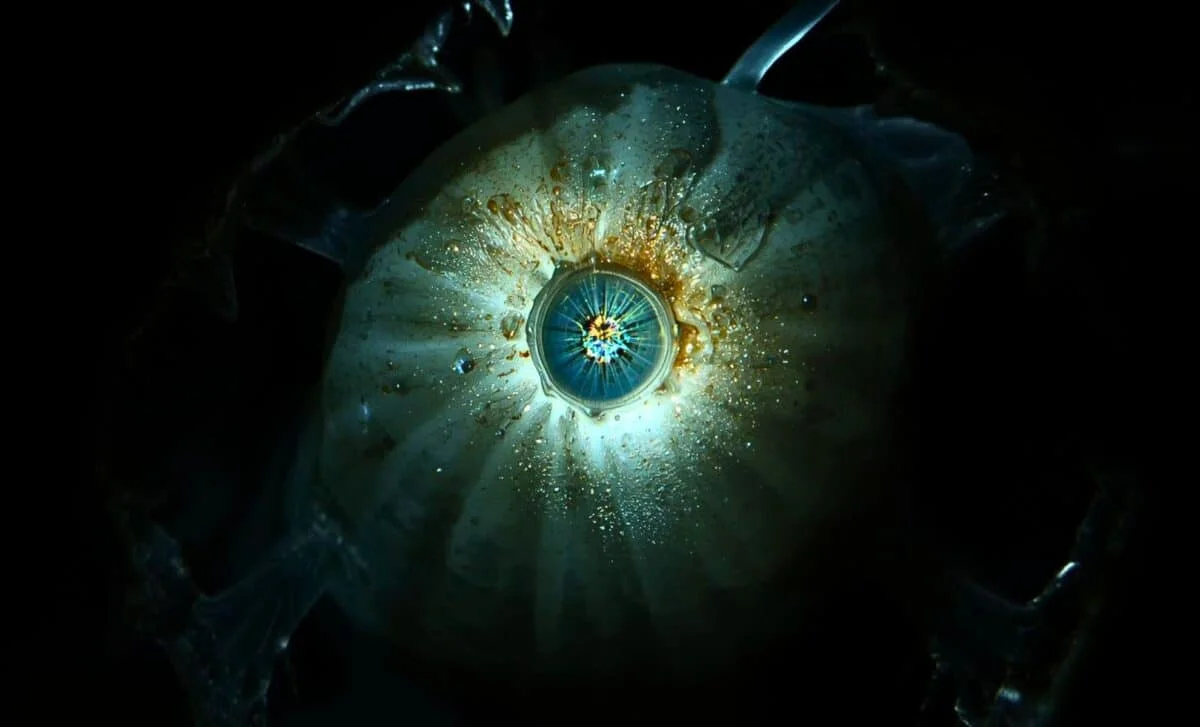
A new evolutionary model published in Current Biology proposes that the paired retinas of vertebrates, including humans, evolved from a single, central light-sensing organ in a worm-like ancestor living approximately 600 million years ago. This 'median eye' likely persisted as the pineal gland, which today regulates sleep cycles, while its lateral components were repurposed to form modern eyes. The theory explains why vertebrate retinas contain mixed cell lineages and develop from brain tissue, distinguishing them from invertebrate eyes.