
Tag

Fanzors

All articles tagged with #fanzors

Fanzor DNA Cutters: A Potential CRISPR Challenger
science-and-technology2 years ago

Fanzor DNA Cutters: A Potential CRISPR Challenger

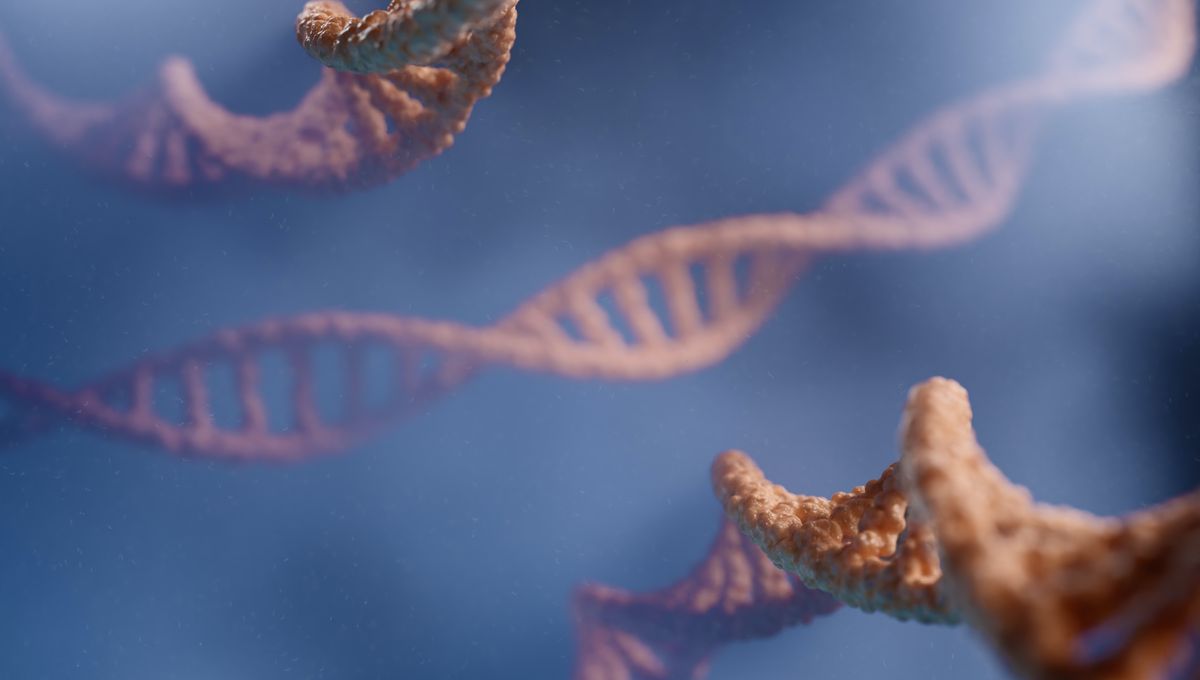
Thousands of DNA-cutting enzymes called Fanzors, similar to CRISPR, have been discovered in various eukaryotic species, including snails, algae, and amoeba. These RNA-guided enzymes have the potential to be developed into tools for gene editing in medicine and biotechnology. The researchers hope that Fanzors, which are naturally evolved in eukaryotes, will provide a safer and more efficient genome editing system for humans. The Fanzor system is more compact than CRISPR proteins, making it easier to deliver to cells and tissues, and may have fewer off-target effects. The discovery of Fanzors opens up new possibilities for RNA-guided biology and the development of novel gene editing tools.
"Surprising Discovery: Algae, Snails, and More House Thousands of DNA-cutters"
science-and-technology2 years ago

"Surprising Discovery: Algae, Snails, and More House Thousands of DNA-cutters"

Scientists at MIT's McGovern Institute for Brain Research have discovered thousands of programmable DNA-cutting enzymes called Fanzors in various organisms, including algae, snails, and amoebas. Fanzors are RNA-guided enzymes that can be programmed to cut DNA at specific sites, similar to CRISPR. This newfound diversity of Fanzor enzymes provides researchers with a wide range of programmable tools that could be utilized in research and medicine, potentially leading to the development of new genome editing tools.

"Surprising Discovery: Algae, Snails, and More House Thousands of DNA-cutters"
science-and-technology2 years ago

"Surprising Discovery: Algae, Snails, and More House Thousands of DNA-cutters"

Scientists at MIT's McGovern Institute for Brain Research have discovered thousands of programmable DNA-cutting enzymes called Fanzors in various organisms, including snails, algae, and amoebas. Fanzors are RNA-guided enzymes that can be programmed to cut DNA at specific sites, similar to the widely used gene-editing system CRISPR. This newfound diversity of Fanzor enzymes provides researchers with a wide range of programmable enzymes that could be utilized in research and medicine. The hope is that these enzymes, which naturally evolved in eukaryotic organisms, may be better suited for safe and efficient use in other eukaryotic organisms, including humans.