Tag

Eukaryotes

All articles tagged with #eukaryotes

Oldest Eukaryotes Found in 1.7-Billion-Year Ocean Cores Point to Oxygen-Driven Life
science-paleontology2 days ago

Oldest Eukaryotes Found in 1.7-Billion-Year Ocean Cores Point to Oxygen-Driven Life

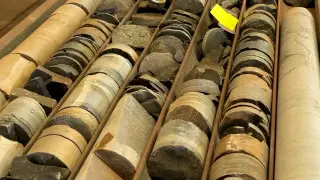
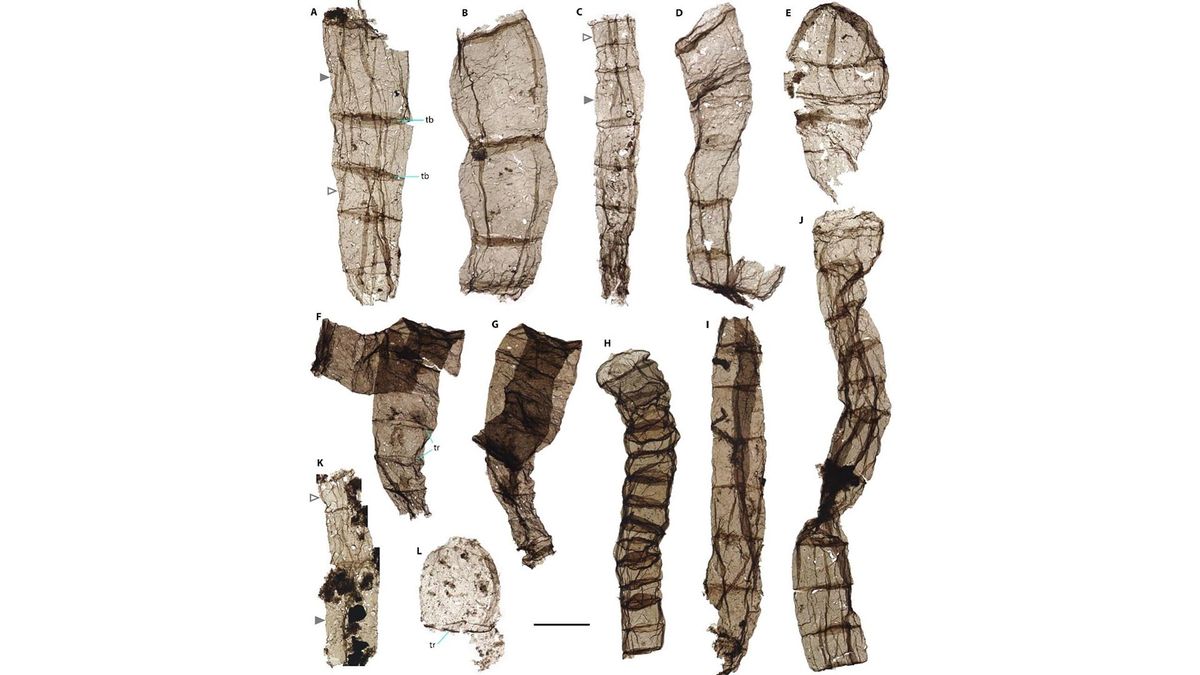
Fossils from 1.75–1.4 billion-year-old mudstone cores in Darwin, Australia, include more than 12,000 microscopic remains of the oldest known eukaryotes. Analysis shows these early complex cells lived in oxygenated bottom waters, suggesting oxygen was functionally necessary for their evolution. The fossils mostly occur in oxic, benthic settings, with fewer in anoxic layers, implying a seafloor lifestyle and a delayed transition to open-water, planktonic life during the Neoproterozoic.

Ancient microbes reveal how complex life may have formed on Earth
science-tech1 month ago

Ancient microbes reveal how complex life may have formed on Earth

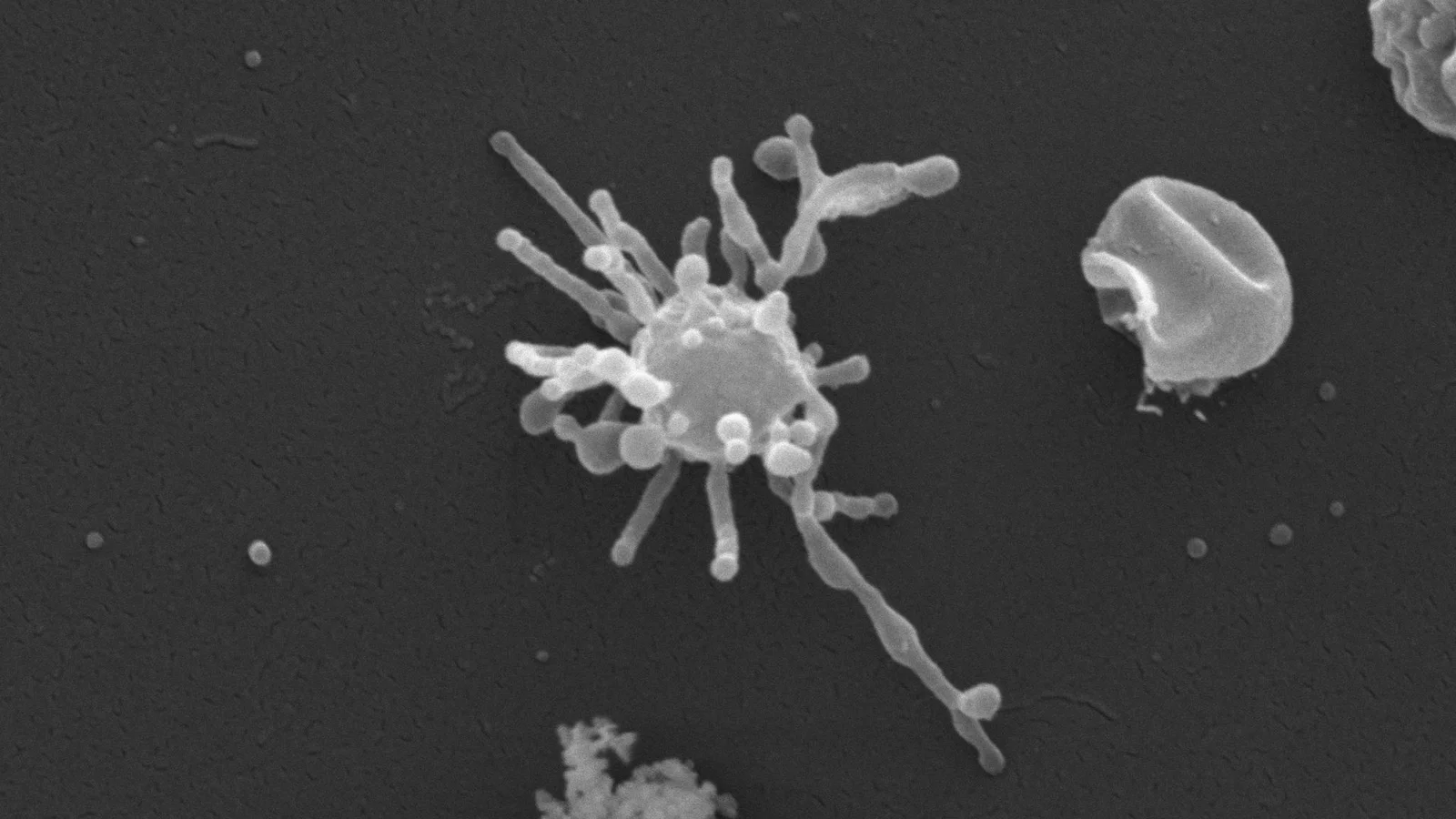
Researchers studying Shark Bay stromatolites show that Asgard archaea and a sulfate‑reducing bacterium directly interact, observed with DNA sequencing, AI protein modeling, and high-resolution imaging, offering a plausible model for the origin of eukaryotes and complex life; the new archaeon was named Nerearchaeum marumarumayae in collaboration with the Malgana people, highlighting a blend of modern science and Indigenous knowledge.

Ancient Asgard archaea may have used oxygen long before Earth’s oxygenation reshaped life
planet-earth3 months ago

Ancient Asgard archaea may have used oxygen long before Earth’s oxygenation reshaped life

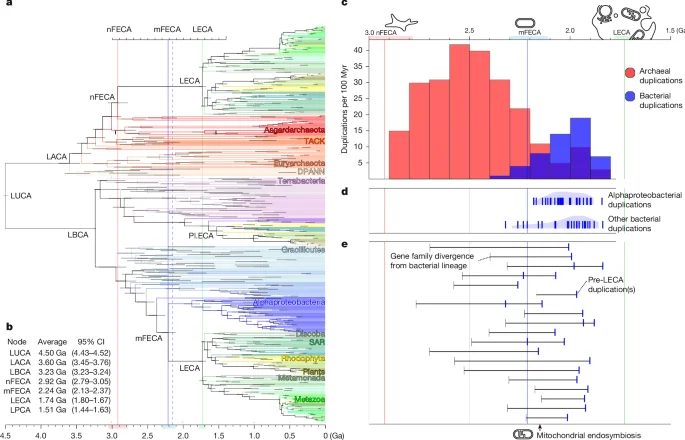
A Nature study analyzing deep-sea sediments found Heimdallarchaeia genomes with components of aerobic respiration, suggesting Asgard archaea could tolerate and potentially use oxygen long before Earth’s oxygenation, providing metabolic groundwork for the archaeal–eukaryotic merger that gave rise to complex life.

Unveiling Genetic Regulation: The Revolutionary LORAX-seq Technique
science2 years ago

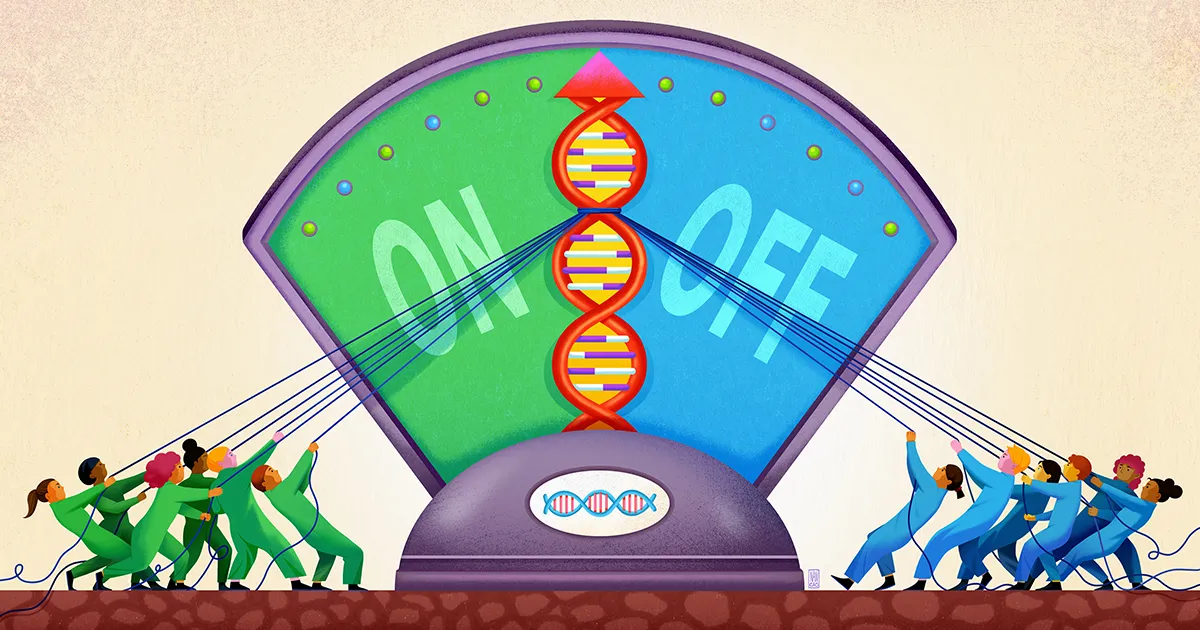
Unveiling Genetic Regulation: The Revolutionary LORAX-seq Technique

Researchers at Stanford have discovered that short tandem repeats (STRs) in DNA can influence gene regulation by acting as "lobbies" where transcription factors gather near regulatory binding sites, affecting gene expression. These weak interactions may play a significant role in the complex and flexible gene regulation systems of eukaryotic organisms, allowing for adaptability and evolution. The findings suggest that the influence of STRs on gene expression is combinatorial and involves cooperative interactions between transcription factors and other regulatory molecules. This fuzzy and analog regulation contrasts with the more digital regulatory logic found in prokaryotes like bacteria.

"Revolutionizing Multicellular Life History: The 1.63-Billion-Year-Old Fossil Discovery"
science2 years ago

"Revolutionizing Multicellular Life History: The 1.63-Billion-Year-Old Fossil Discovery"

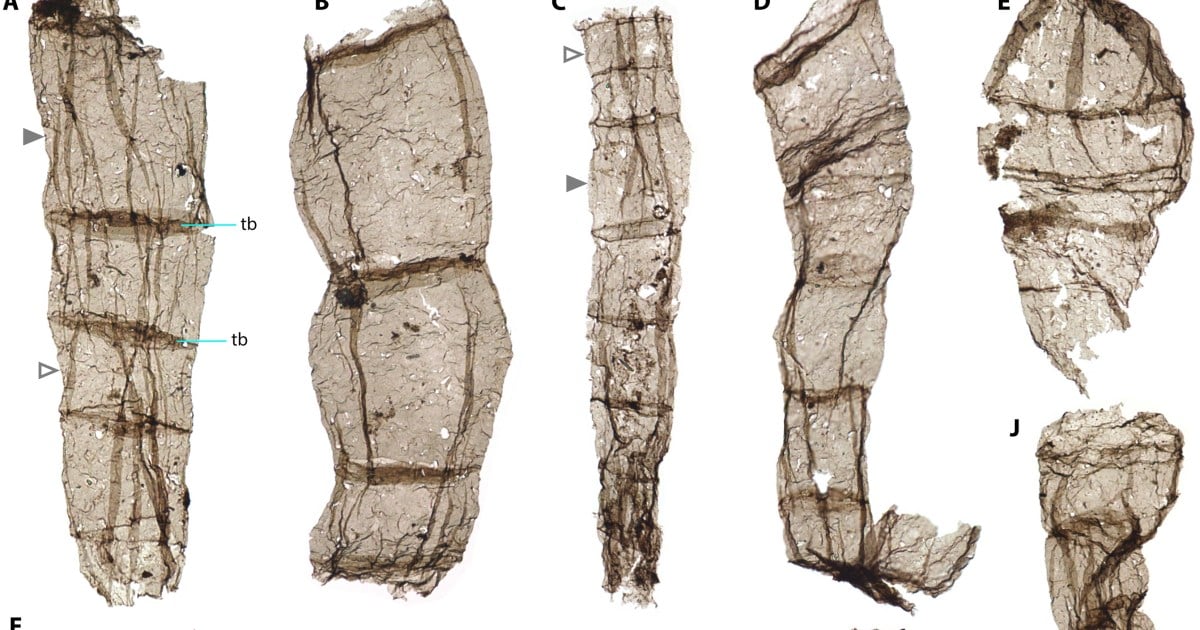
A 1.63-billion-year-old fossil discovered in North China challenges previous assumptions about the timeline of multicellular life on Earth. The fossil, named Qingshania magnifica, is a multicellular eukaryote that lived during the "boring billion" period, suggesting that this era may not have been as uneventful as previously thought. This finding extends the timeline for the evolution of multicellularity by 700 million years, indicating that complex multicellular organisms appeared earlier than previously believed. The discovery underscores the challenges of relying solely on fossil evidence and highlights the need for renewed attention to older rock formations to shed light on Earth's early history.

"Ancient Microbial Ancestors: Unveiling the Origins of Multicellular Life"
science2 years ago

"Ancient Microbial Ancestors: Unveiling the Origins of Multicellular Life"

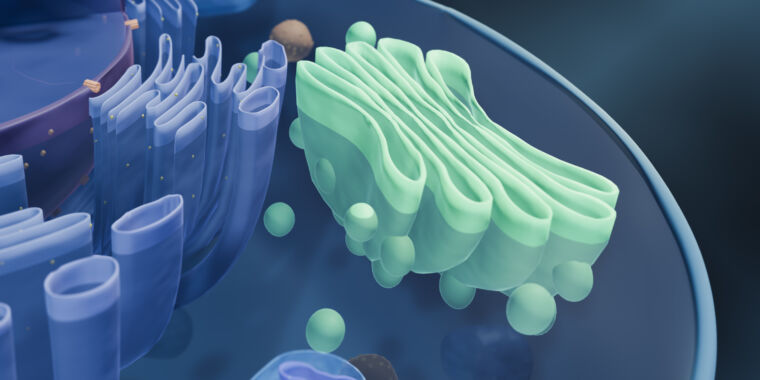
Researchers have discovered 1.64 billion-year-old eukaryote microfossils with surprisingly sophisticated features, suggesting that eukaryotes have a much deeper history than previously thought. The fossils, found in Australia, exhibit advanced characteristics such as protective cysts and complex cellular structures, indicating the presence of Golgi bodies. These findings shed new light on the complexity and diversity of eukaryotes, pushing back our understanding of their evolution by hundreds of millions of years.

"Discovery of 1.6 Billion-Year-Old Multicellular Fossils in North China"
science2 years ago

"Discovery of 1.6 Billion-Year-Old Multicellular Fossils in North China"

Fossils of ancient multicellular organisms, possibly an early type of photosynthetic alga, have been discovered in China and date back more than 1.6 billion years, pushing back the origin of multicellular life by around 70 million years. The fossils, representing a species called Qingshania magnifica, suggest that multicellularity in eukaryotes evolved earlier than previously thought, shedding light on the evolutionary history of complex life on Earth.

"Evidence of Eukaryotic Multicellularity 1.63 Billion Years Ago Found in North China Fossils"
science2 years ago

"Evidence of Eukaryotic Multicellularity 1.63 Billion Years Ago Found in North China Fossils"

Researchers have discovered 1.63-billion-year-old multicellular fossils in North China, providing evidence that eukaryotes first acquired multicellularity around this time. The fossils, found in the late Paleoproterozoic Chuanlinggou Formation, are considered the oldest record of multicellular eukaryotes and demonstrate a certain degree of complexity based on their morphological variation. Named Qingshania magnifica, these fossils suggest that eukaryotes likely reproduced by spores and show eukaryotic affinity due to their large cell size and morphological features. This discovery pushes back the emergence of multicellularity in eukaryotes by about 70 million years.

"Dazzling Diversity: Unveiling the Complexity of Ancient Eukaryote Fossils"
science2 years ago

"Dazzling Diversity: Unveiling the Complexity of Ancient Eukaryote Fossils"

Researchers have discovered exquisitely preserved microfossils of eukaryotic organisms dating back 1.64 billion years, revealing a surprising diversity and complexity in their forms. The fossils, found in Australia's Northern Territory, exhibit advanced characteristics such as evidence of cytoskeletons and structures suggestive of internal vesicles, challenging previous assumptions about the uniformity of early eukaryotes. This discovery prompts further exploration into the environments and adaptations of early eukaryotes, shedding light on their evolution and the emergence of key characteristics such as aerobic metabolism and mitochondria.