Family and community push for answers as Jackson police say Fortune’s death is being treated as a potential homicide and an autopsy is pending; amid a tense climate over racial violence in Mississippi, petitions and calls for federal scrutiny have grown.
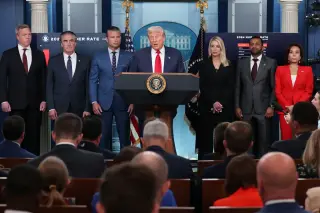
The Washington Post analyzed thousands of arrest records and found that President Trump’s claim that crime in Washington, D.C. has been halted is overstated: federal agents were involved in roughly 30% of arrests, crime was already trending downward, and a surge in prosecutions has strained DC’s court system.
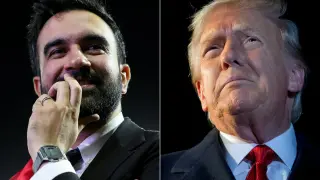
President Donald Trump attacked New York City's pied-à-terre tax on nonprimary residences and said he is exploring whether the federal government has the authority to block it, as a judge briefly blocked the policy and the city moves to appeal. The tax—backed by Mayor Mamdani and Governor Hochul—aims to raise revenue by taxing second homes worth $1 million and up, but critics warn it could drive wealthy residents away while supporters argue it funds safety and schools.
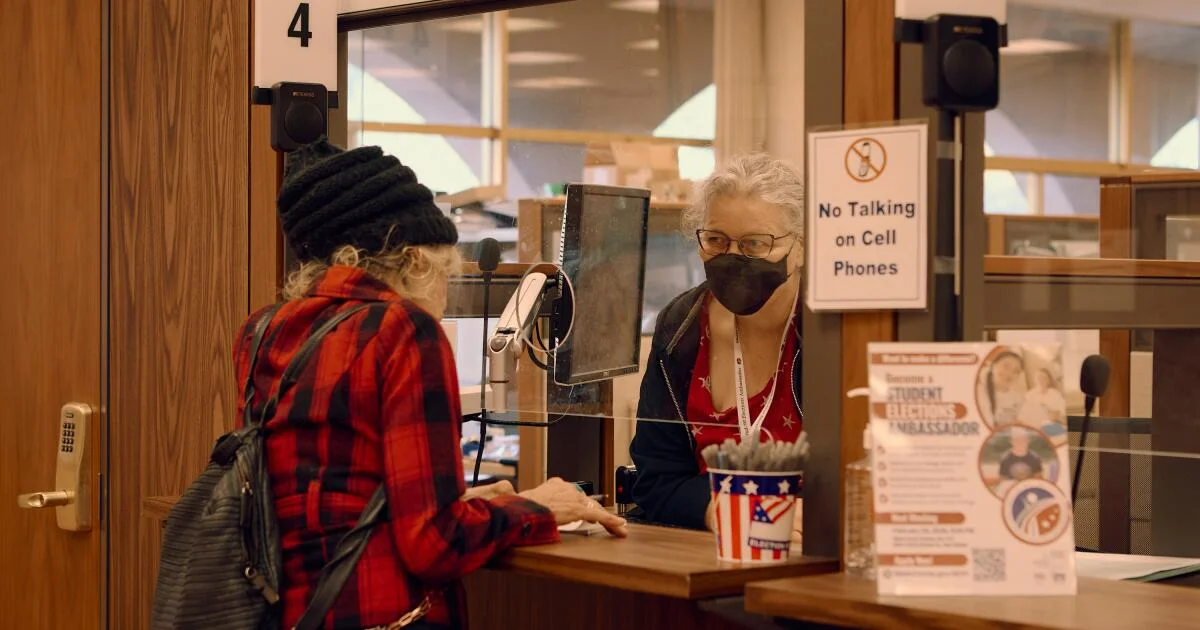
California election officials across counties are running contingency drills and preparing staff for unprecedented federal involvement in the 2026 elections, including scenarios like immigration or federal agents near polling places and ballots being seized. State leaders say elections remain under state control and will be defended, while experts warn that such rhetoric undermines public trust. Officials cite guardrails, expanded observer programs, and coordinated planning to ensure a secure, accurate vote regardless of federal pressure.
Democratic election officials are quietly building contingency plans for potential federal involvement in state elections during the 2026 midterms, spurred by post-2020 election tensions and the administration’s push for access to voter data, including the FBI’s seizure of ballots in Fulton County. They discuss measures to protect voters at polling places, bolster cyber defenses, and manage possible interactions with federal agents—scenarios they describe as worst-case but necessary planning, not predictions. The backdrop includes DOJ actions, ongoing debates over federal role in elections, and a notable reduction in federal cybersecurity support for election infrastructure.
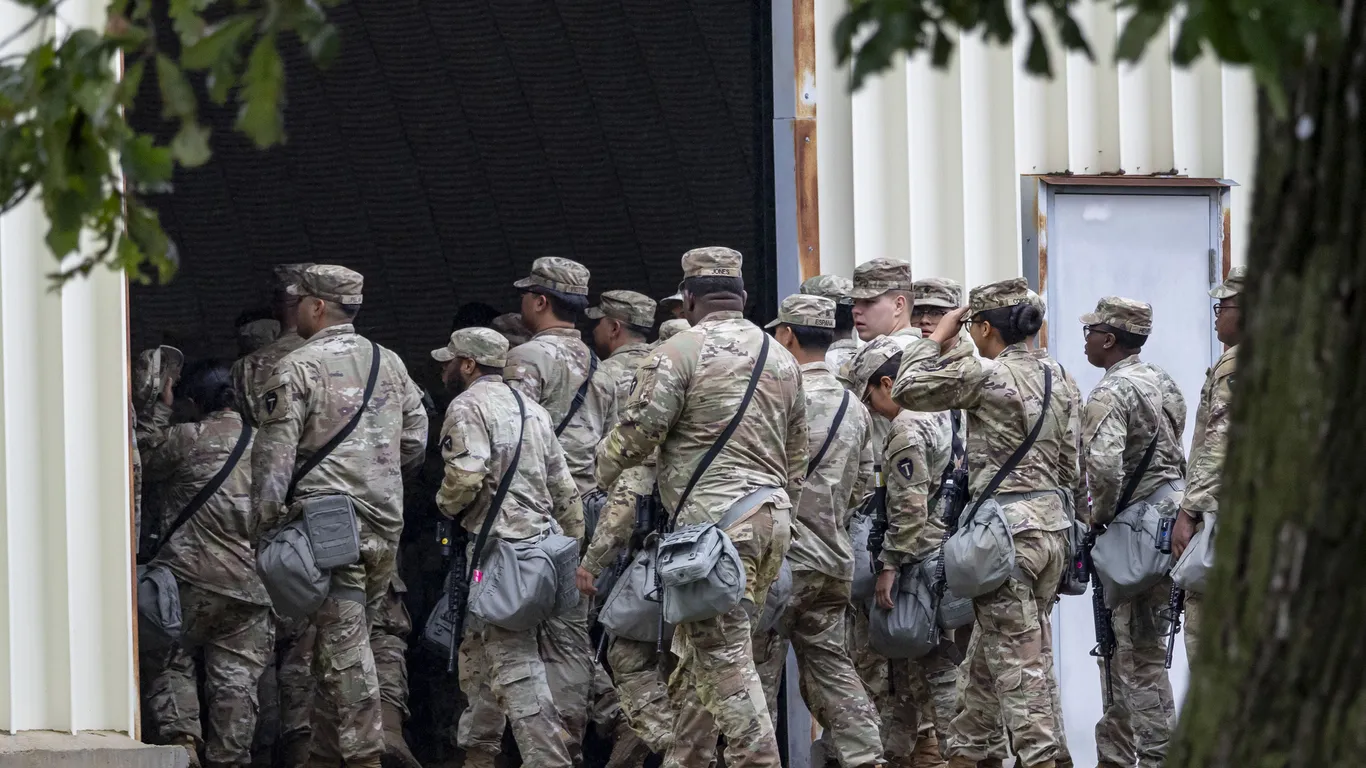
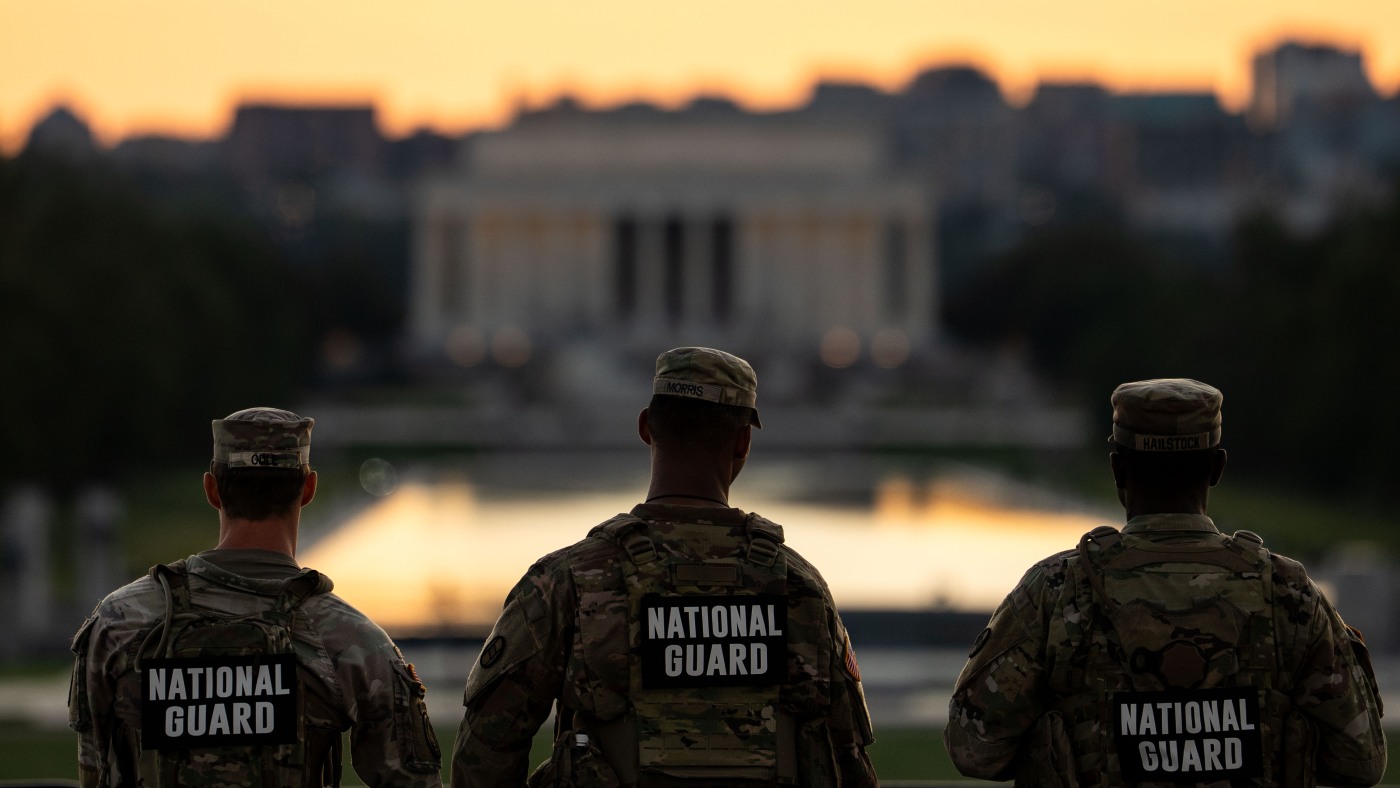
The Pentagon is developing a National Guard 'Quick Reaction Force' to respond rapidly to civil unrest across the U.S., with training to be completed by January 2026, amid ongoing tensions over federal intervention in cities and the use of military forces for law enforcement.
President Trump announced plans to consider sending the National Guard to San Francisco to address crime and unrest, citing support from some officials and contrasting local leaders' responses who believe city resources are sufficient. The move follows previous deployments in Los Angeles and discussions about federal intervention in Democrat-run cities.
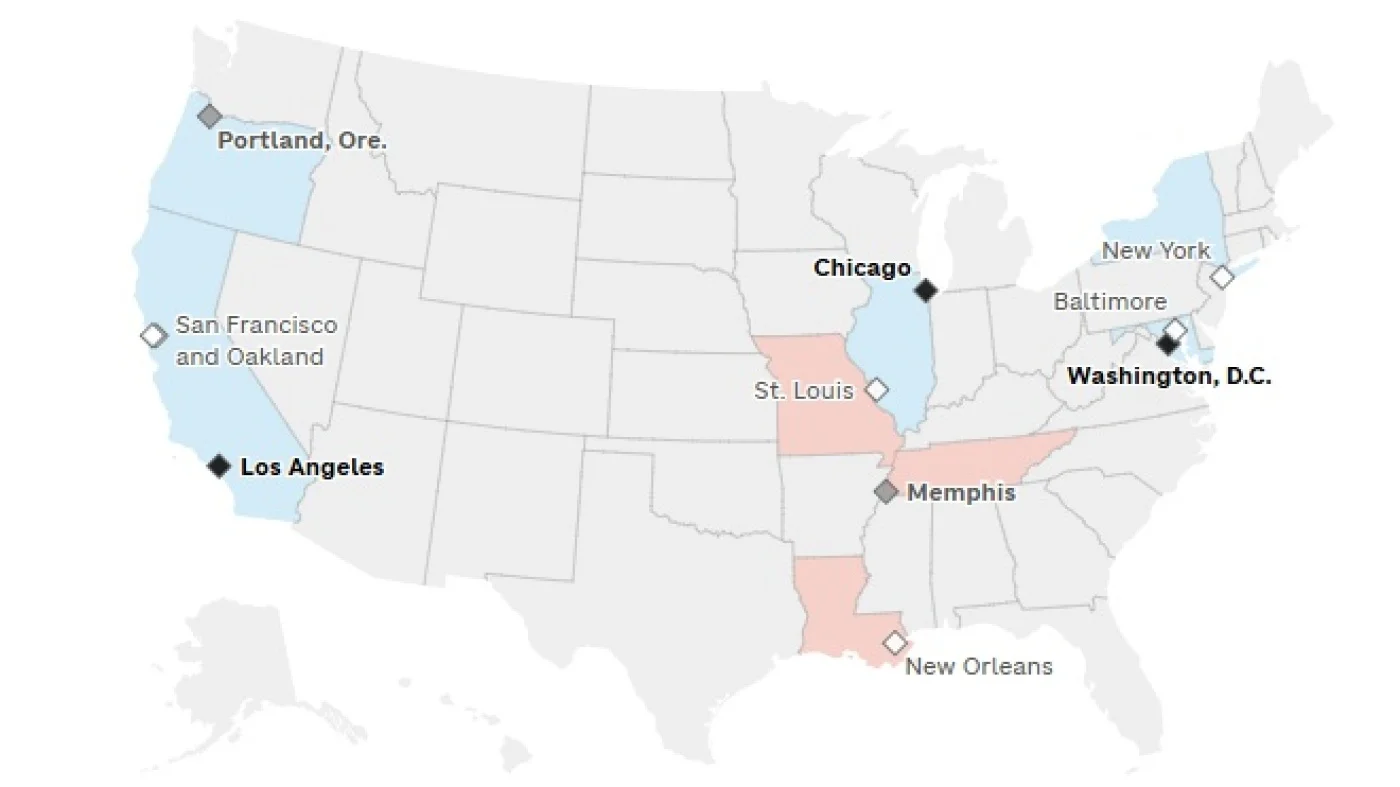
President Trump has escalated the use of the National Guard, suggesting or ordering federal deployment to nearly a dozen Democratic-led cities to address crime and protests, sparking legal challenges and protests, with deployments in Illinois, Oregon, Tennessee, Washington D.C., and California, among others.
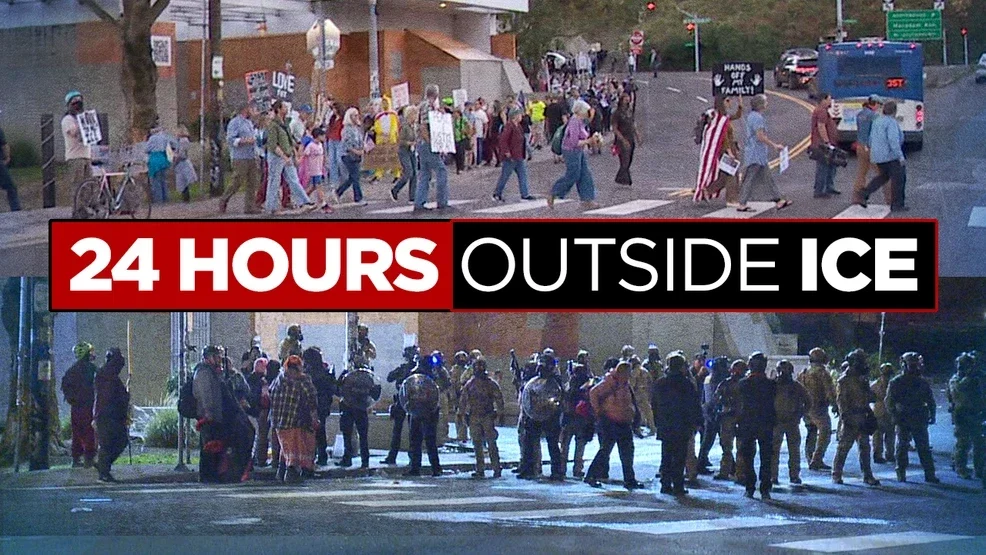
KATU News will host a 24-hour livestream starting October 9 outside the Portland ICE Facility to show the protests and activities there, aiming to provide transparency and let viewers draw their own conclusions about federal intervention amid heightened tensions involving federal resources, the National Guard, and local protests.
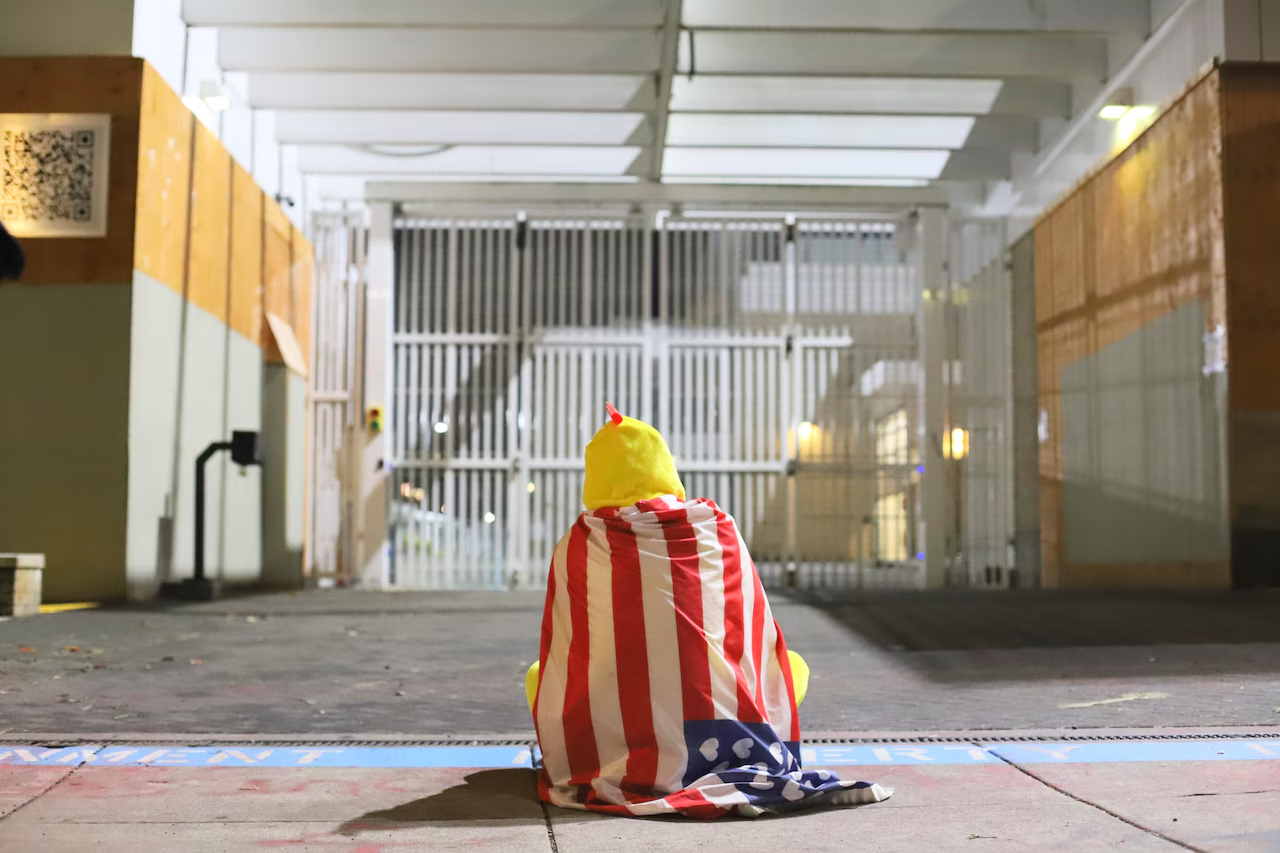
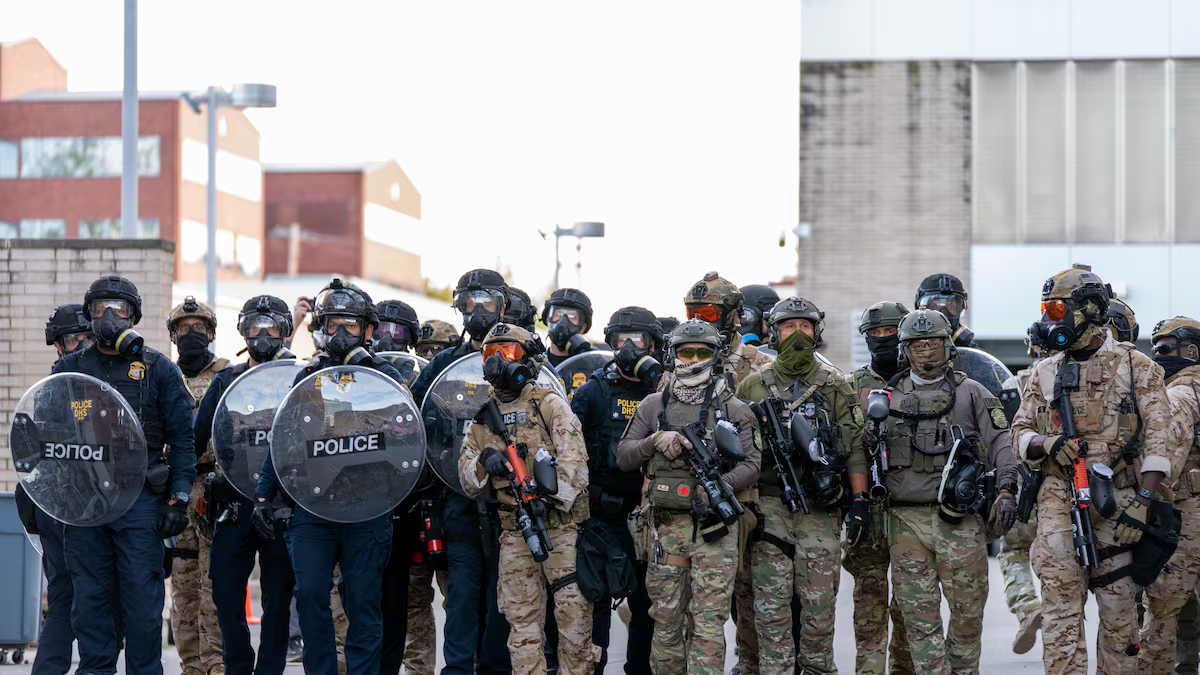
Over a 24-hour period, protests outside Portland's ICE facility showed a largely peaceful scene with occasional clashes, media attention, and federal police response, contrasting with political narratives of chaos and lawlessness.
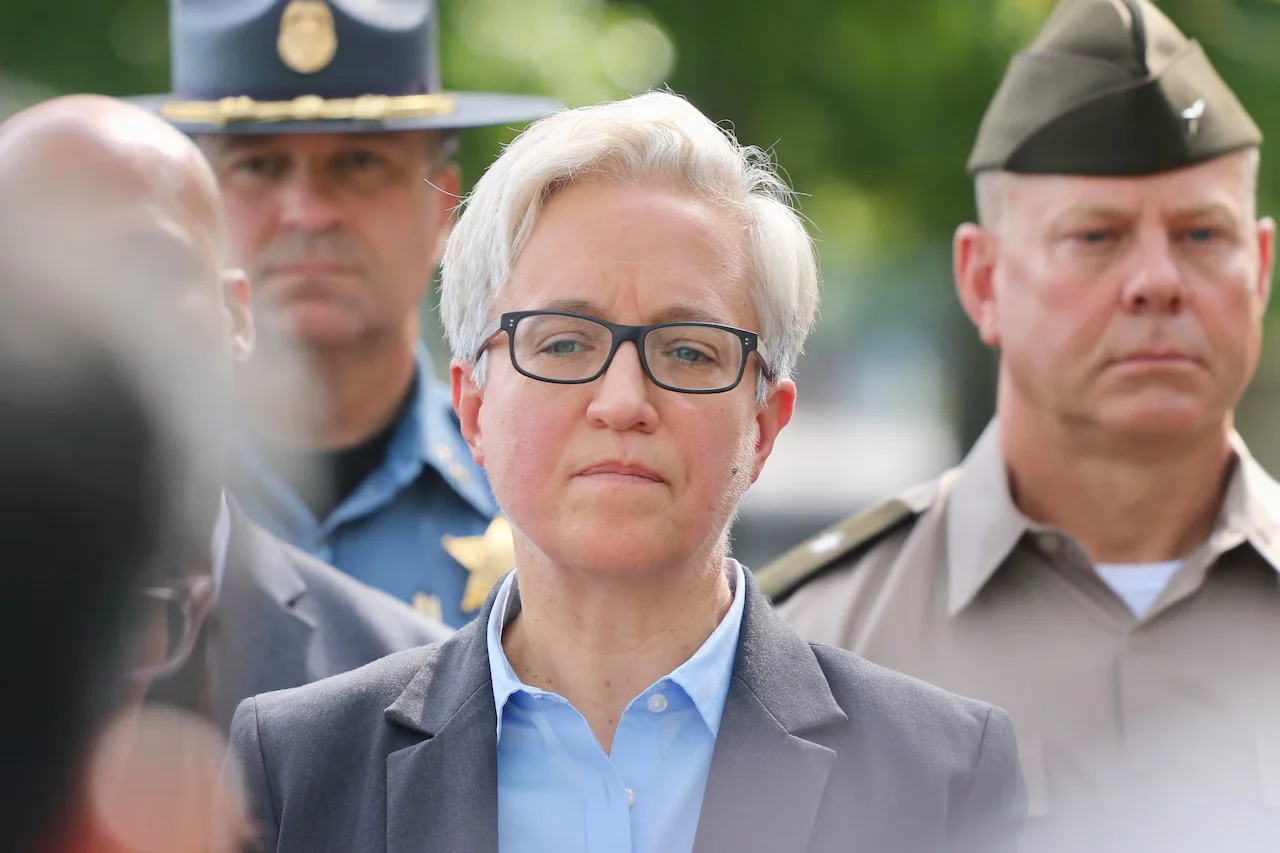
Oregon's governor and local officials prepared extensively to counter potential federal military intervention in Portland, amid escalating tensions and Trump's threats to deploy troops, with planning beginning months in advance to protect state sovereignty and public safety.
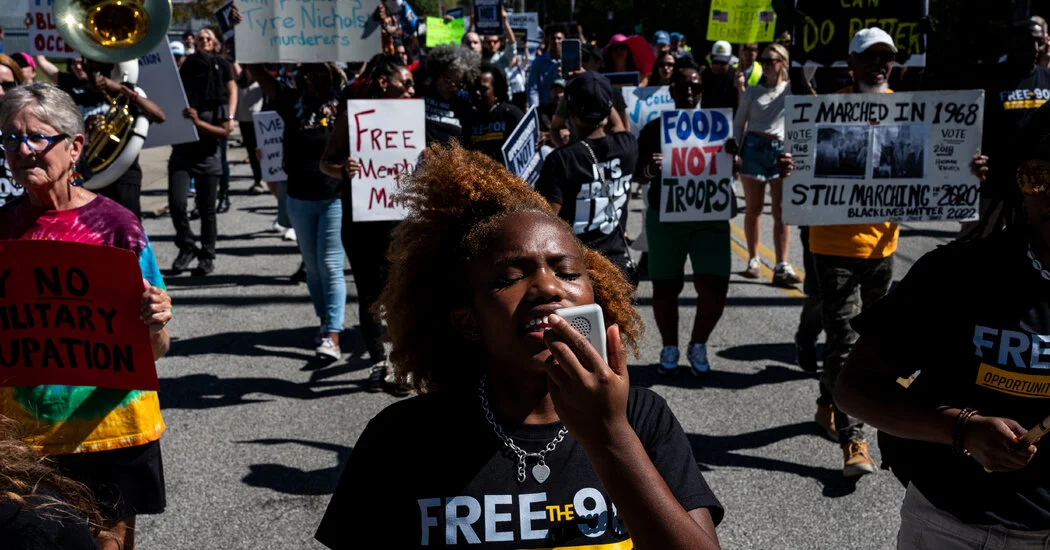
Memphis residents and officials are cautiously optimistic about President Trump's federal intervention plan to combat the city's high crime rates, which includes deploying federal law enforcement and the National Guard, despite some protests and concerns about long-term impacts.
The deployment of the National Guard in U.S. cities as part of a federal anti-crime initiative may temporarily reduce crime rates, but experts warn of potential long-term costs such as community resentment and erosion of trust with local police, with effectiveness depending on strategic, data-driven deployment.
The deployment of 200 National Guard troops to Portland by the Trump administration has sparked mixed reactions across Oregon, with some residents supporting the move due to concerns over crime and lawlessness, while others see it as an overreach and a political stunt. The situation has led to protests, legal actions, and debates about the city's safety and reputation, with opinions varying based on local experiences and political views.
Memphis is preparing to deploy the National Guard and federal agencies to address its high crime rates, sparking mixed reactions among residents who are both hopeful for help and wary of heavy-handed policing and historical tensions. The intervention, supported by some local officials and Tennessee Republicans, aims to assist local law enforcement but raises concerns about community impact, militarization, and systemic issues rooted in racial and economic disparities.