Tag

Fertility Treatment

All articles tagged with #fertility treatment

IVF and cancer risk: overall rates similar, but small increases for some cancers
health29 days ago

IVF and cancer risk: overall rates similar, but small increases for some cancers

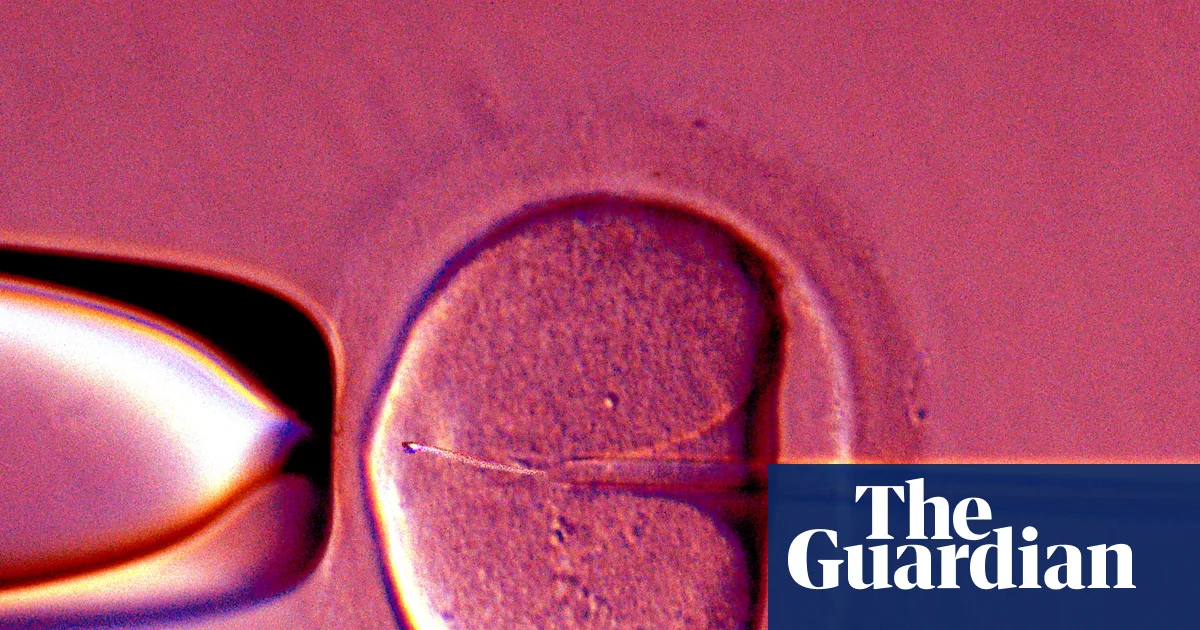
A large Australian study of 417,984 women who received fertility treatments (IVF, insemination, or clomiphene citrate) found the overall cancer rate was similar to the general population. However, clomiphene citrate users had a 1.04× higher cancer rate (~8.6 extra cancers per 100,000 women per year), and rates of uterine cancer, ovarian cancer (except for clomiphene users), and melanoma were 1.07–1.83× higher. Conversely, cervical and lung cancers were 1.43–1.92× lower. The study cannot establish causation and likely reflects underlying risk factors (eg, endometriosis, ethnicity, smoking) and screening practices, with absolute cancer numbers remaining small. Routine cancer screening remains important for anyone undergoing fertility treatment.

Scientists Achieve Breakthrough in Rejuvenating Human Eggs to Boost IVF Success
health3 months ago

Scientists Achieve Breakthrough in Rejuvenating Human Eggs to Boost IVF Success

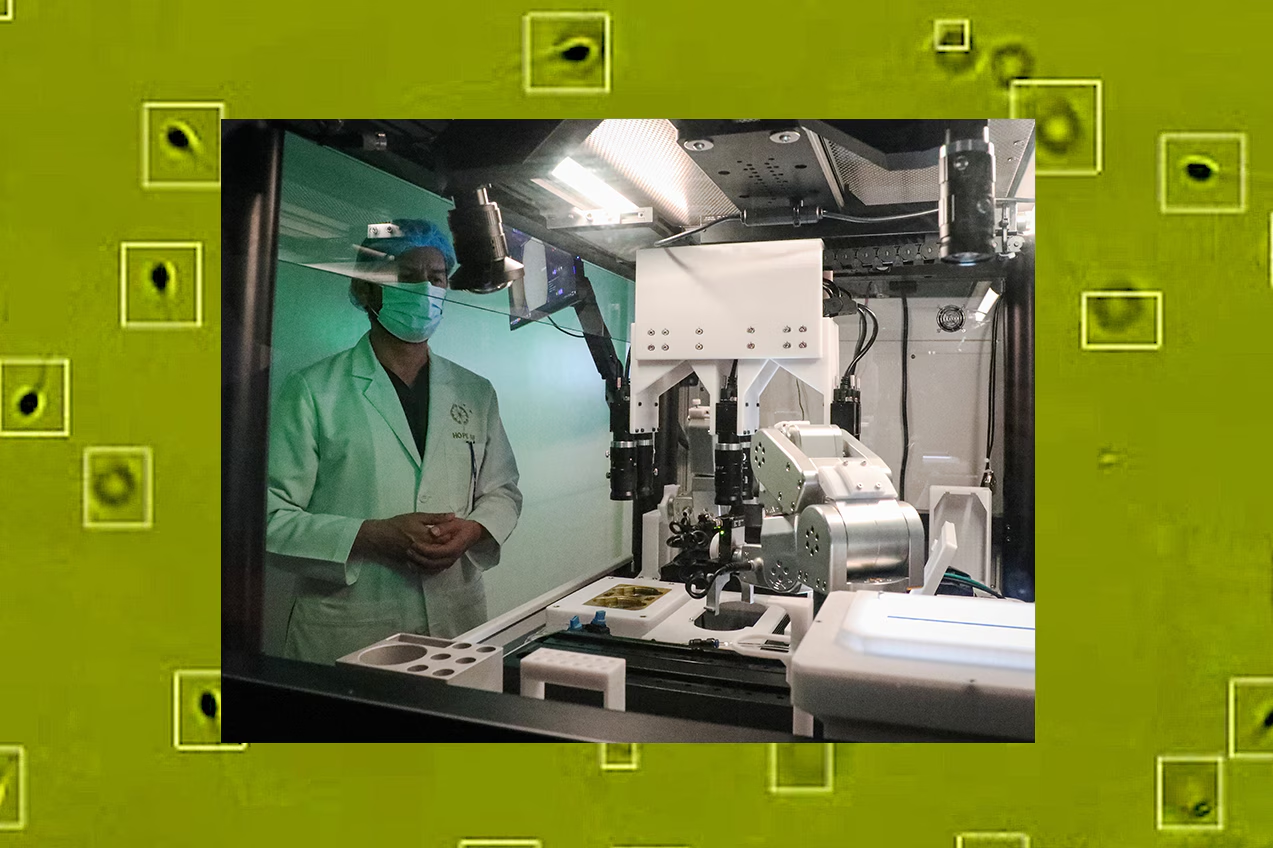
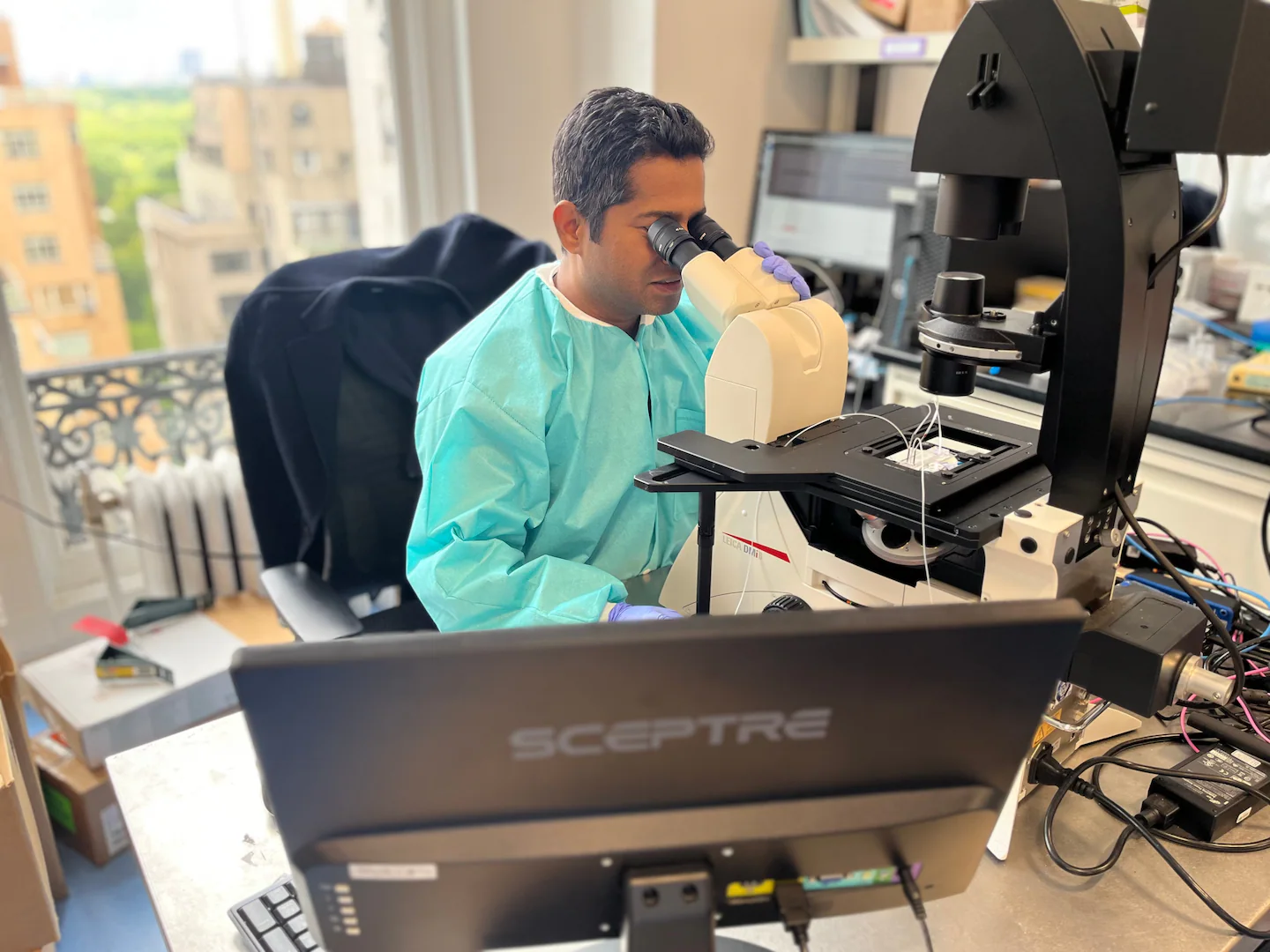
Scientists have developed a technique to 'rejuvenate' aging human eggs by supplementing them with a protein called Shugoshin 1, which reduces genetic errors linked to age, potentially improving IVF success rates for older women. The method involves microinjections that nearly halve the rate of chromosome abnormalities, offering hope for more effective fertility treatments, especially for women over 35.

Advocacy for Paid IVF Leave Rights
politics5 months ago

Advocacy for Paid IVF Leave Rights

There are calls for legal rights to paid leave for women undergoing IVF treatment, as current laws do not guarantee time off, leading many to use sick days or hide their treatment, which impacts their well-being and productivity. Campaigners argue that recognizing fertility treatment as a medical procedure and providing legal leave could benefit both employees and employers, with some political efforts underway to introduce legislation for this purpose.

"The Rise of Big Fertility: IVF as the Default Choice for Women"
health2 years ago

"The Rise of Big Fertility: IVF as the Default Choice for Women"

A woman shares her experience with fertility treatment, highlighting the aggressive push for IVF by doctors and the lack of consideration for alternative, more affordable, and safer options. She emphasizes the need for women to advocate for their own health and urges states like Alabama to reconsider their approach to pro-life legislation, emphasizing the importance of informing women about holistic and restorative reproductive treatments.

"IVF Rulings and Reproductive Rights: A Political Scientist's Perspective"
reproductive-rights2 years ago

"IVF Rulings and Reproductive Rights: A Political Scientist's Perspective"

A political scientist in Alabama shares his personal experience after the state's Supreme Court ruled that frozen embryos used for in vitro fertilization are children, turning him into an activist for reproductive rights. The ruling caused uncertainty and panic for him and his wife, leading them to flee the state to continue their IVF process in Texas. The experience mobilized them and other affected individuals, highlighting the intersection of personal experiences and state politics in shaping activism and engagement.

"Alabama's IVF Protections and the State of the Union: A New Era for Fertility Services"
health2 years ago

"Alabama's IVF Protections and the State of the Union: A New Era for Fertility Services"

Elizabeth Carr, the first person born through IVF in the U.S., will attend the State of the Union as a guest of Democratic Sen. Tim Kaine to advocate for IVF access. The recent Alabama Supreme Court ruling that frozen embryos are considered "children" under state law has caused clinics to pause aspects of their IVF programs, sparking concerns about access to fertility treatments. While a new law in Alabama allows clinics to resume IVF treatments without fear of liability, it does not address the underlying issue of the status of embryos in the IVF process. Carr emphasizes the importance of protecting IVF access for a wide range of individuals beyond those struggling with infertility.