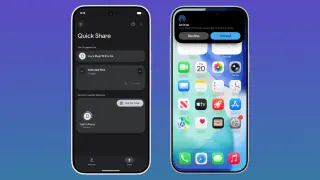
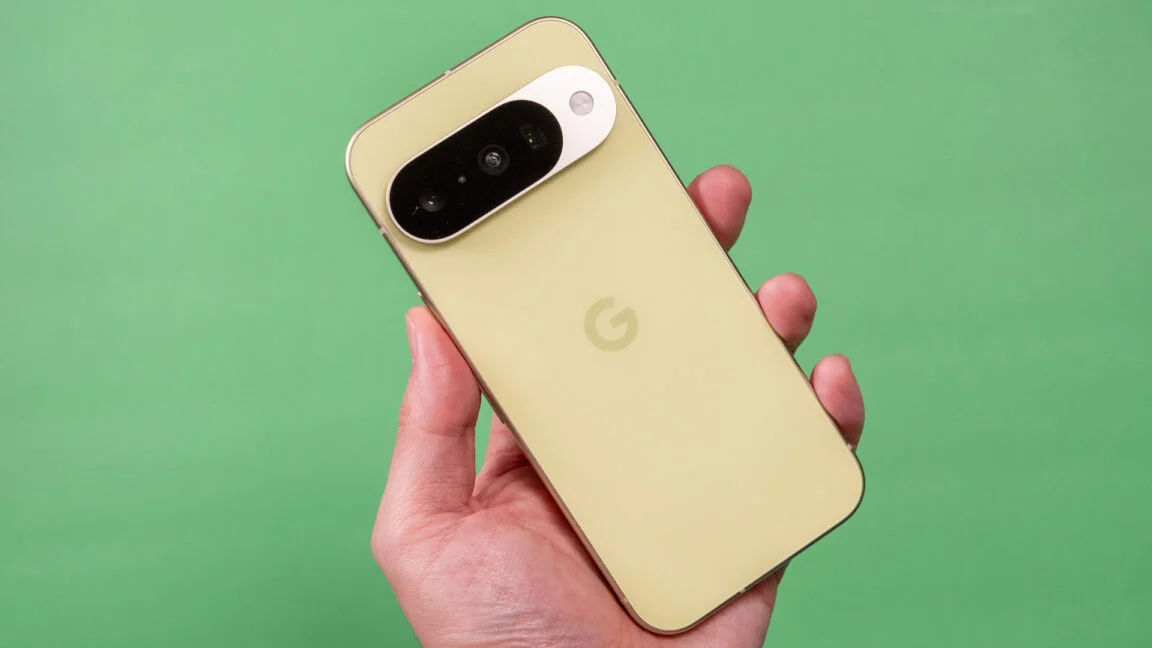
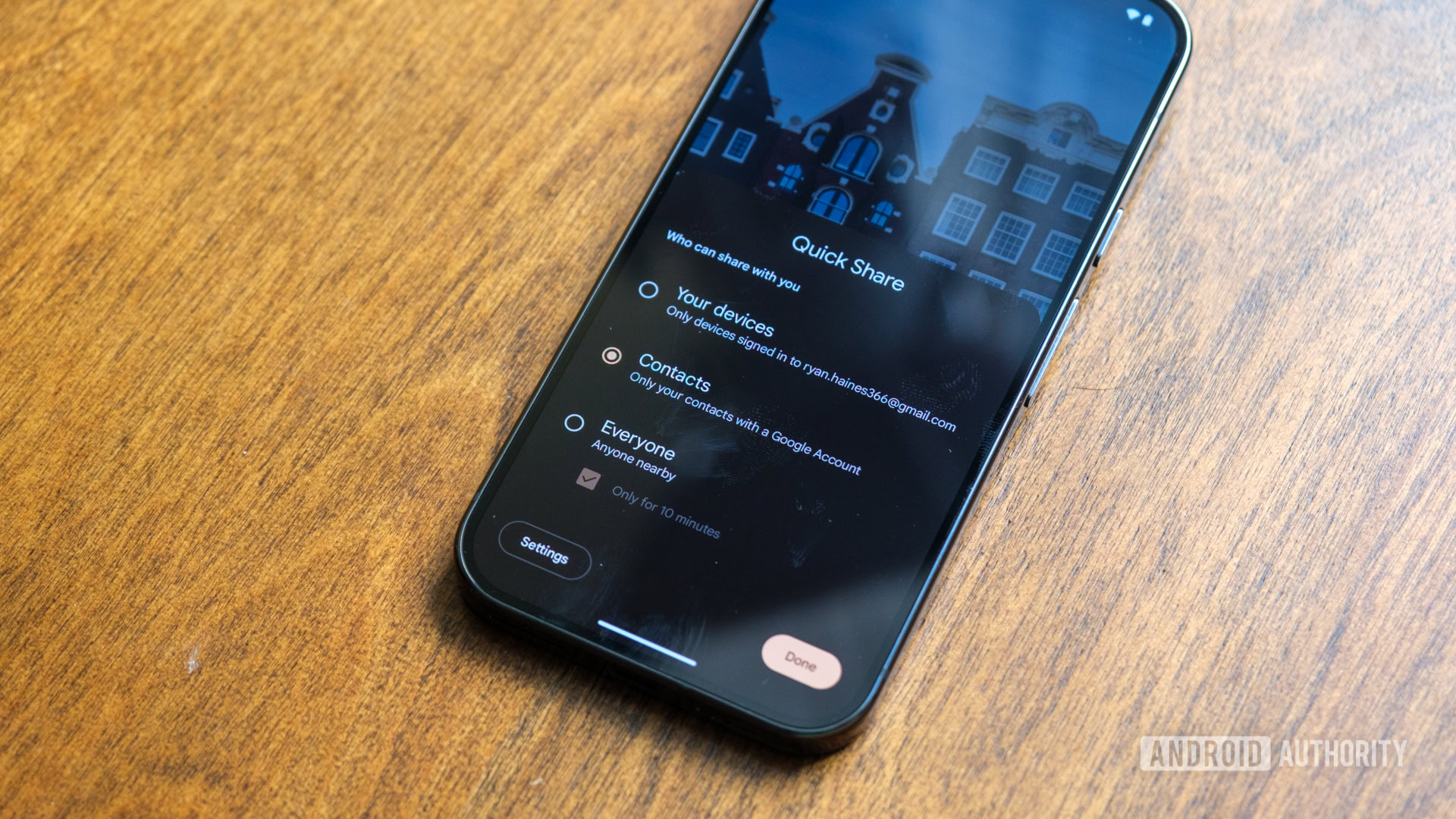
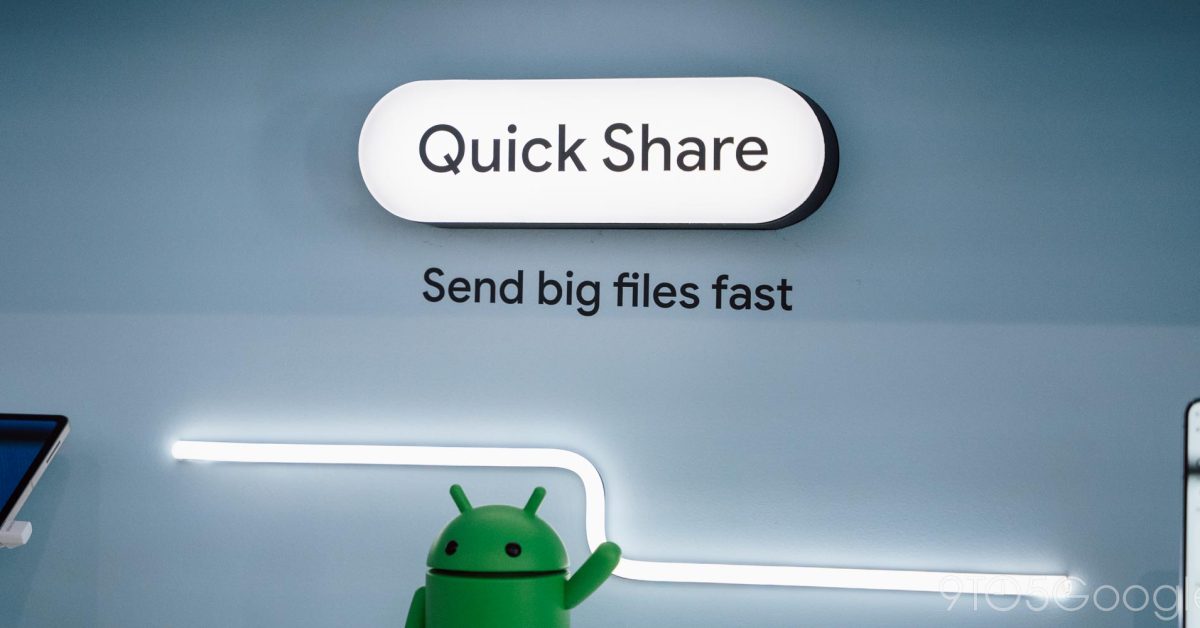
Google’s Quick Share now provides AirDrop-like file sharing on Android, with current support spanning Pixel 8a–10 series and various Samsung, Oppo, Vivo, OnePlus, and Honor devices, and a forthcoming rollout to additional models as Google continues to expand compatibility.
Google announced expanded cross‑platform file sharing: Quick Share will soon work with AirDrop on more Android devices (Samsung, OPPO, OnePlus, Vivo, Xiaomi, HONOR) in 2026, and for Android devices that don’t support AirDrop it will generate a QR code to share content with iOS via the cloud. The QR sharing feature starts rolling out today and should be fully available within a month, with plans to bring Quick Share to apps like WhatsApp soon. Google also collaborated with Apple to ease switching from iPhone to Android under Europe’s Digital Markets Act, enabling wireless transfer of eSIM, passwords, photos, messages, apps, contacts, and Home Screen layout; similar tools for Android→iPhone are already in place and will expand.
Google says AirDrop interoperability introduced on the Pixel 10 will expand to many more Android devices in 2026, enabling cross‑platform file sharing with iOS and macOS without third‑party apps; VP Eric Kay teased forthcoming announcements as Google broadens the ecosystem, aided by Quick Share/Play Store updates and a March Pixel Drop.
TrueNAS introduces WebShare, a web browser-based, enterprise-grade file sharing solution leveraging ZFS, HTTPS security, and compatibility with NFS and SMB, initially for TrueNAS 26.04 Enterprise and later for Community Edition.
The Supreme Court is hearing a case that could hold internet providers liable for copyright infringement by users, risking mass disconnections and raising concerns about turning ISPs into 'internet police,' with major implications for the tech and entertainment industries.
A teardown of Google Play Services reveals that Google is still developing Quick Share for iPhones, with evidence of a sign-in requirement and a menu for sharing with iOS devices, indicating ongoing work on cross-platform file sharing features.
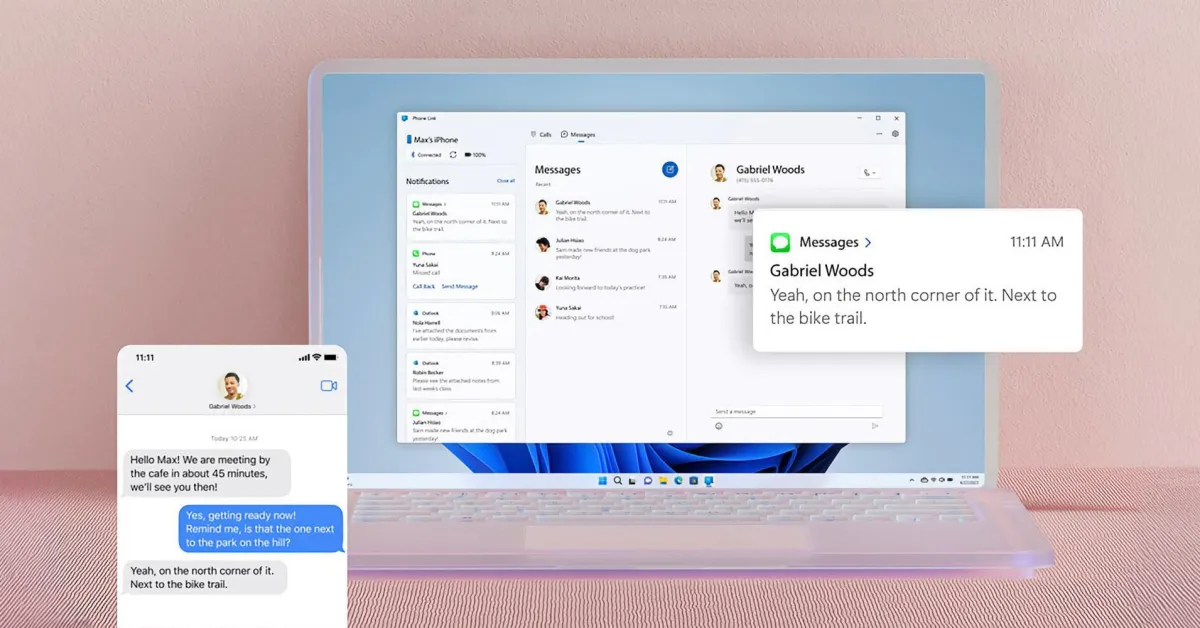
Microsoft is testing a new feature that allows file sharing between iPhones and Windows PCs using the Phone Link and Link to Windows apps. This feature is currently available to Windows Insiders, enabling them to share files from iPhone to PC and vice versa. The rollout date for all users is not yet announced. Previously, Phone Link for iOS allowed iPhone users to make calls, send messages, and access notifications on Windows PCs.
Microsoft has announced a new feature for Windows that allows file sharing between iPhones and PCs, similar to Apple's AirDrop. This feature is currently in beta for Windows Insider program users and requires specific versions of the Phone Link app on Windows and the Link to Windows app on iOS. It will eventually be available to all Windows 10 and 11 users, simplifying file sharing for iPhone users with Windows PCs.
Napster, launched on June 1, 1999, by Shawn Fanning, revolutionized music consumption by enabling free file sharing of MP3s, leading to widespread music piracy and a major shift in the music industry. Despite legal battles and its eventual shutdown in 2001, Napster's influence paved the way for digital music services like Apple's iTunes and streaming platforms such as Spotify, fundamentally transforming how music is accessed and consumed.
Facebook Messenger now allows users to upload HD photos and create shared albums with friends, as well as share larger files of up to 100MB. The update also includes the addition of a QR Code to make it easier to contact other Messenger accounts.
The Messenger app has added four new features, including the ability to send higher-quality photos, create shared photo albums, increase file size limits to 100MB, and add contacts via QR code. These updates aim to enhance the user experience and keep Messenger competitive with other messaging apps.
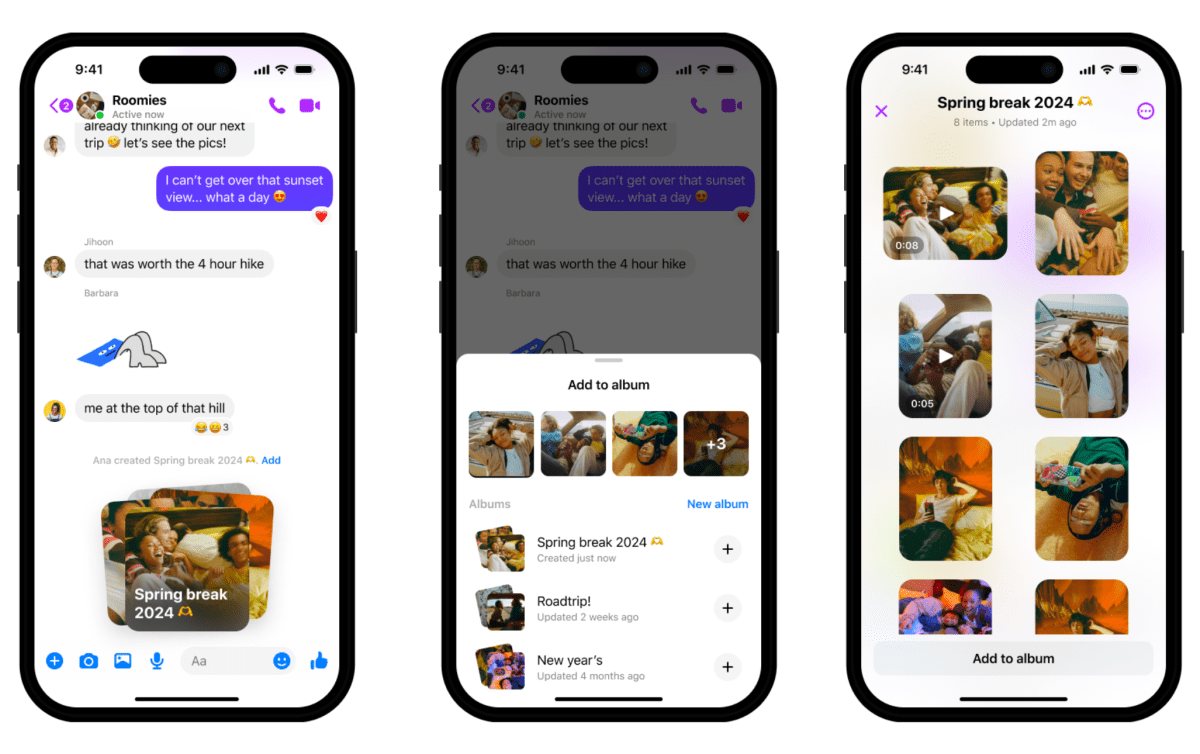
Meta has announced that Facebook Messenger users can now share HD photos, which in this case means 4K resolution, with less compression and a new "HD" button for enabling 4K sharing. The app will also allow users to share files up to 100MB, up from the previous 25MB limit, and introduce a new album-sharing feature for group chats. Additionally, QR codes and links for connecting with people have been rolled out, with the company stating that these features will be available over the coming weeks.
Messenger introduces the ability for users to create shared albums in chats, send high-definition photos, and share larger files up to 100MB. Users can now organize photos and videos in group chats by creating albums, add, delete, and download pictures and videos, and send multiple HD photos by toggling an "HD" option. Additionally, users can now send Word, PDF, Excel, and zip files directly in chats and connect with others by scanning a QR code. These new features are rolling out on mobile to all Messenger users.
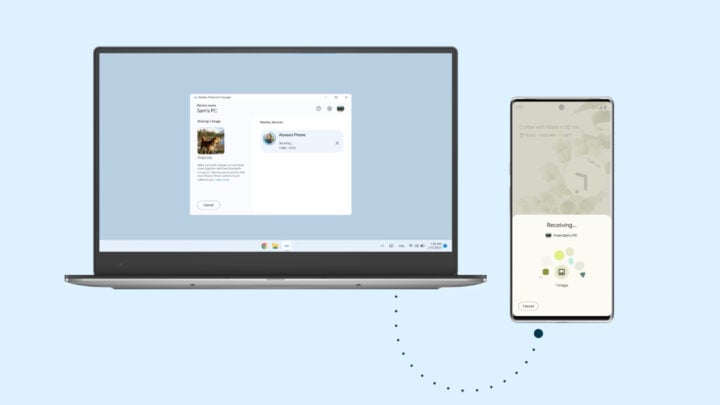
Google has rebranded its wireless file-sharing feature, Nearby Share, to Quick Share on Windows, following the merger with Samsung's Quick Share. The update brings the new branding and logo to the app, which still requires users to be signed into a Google account. Additionally, Samsung has also updated its Quick Share app for Windows, resulting in two separate apps with the same name. The rebranding now allows all Android smartphones to share files wirelessly using Quick Share, including with Windows computers.
Google's transition of Nearby Share to Quick Share is underway, allowing users to send files directly from their Android device to another through the sharing menu. This update, currently rolling out, streamlines the sharing process by displaying available devices within the sharing menu. The merge of Nearby Share and Samsung's Quick Share aims to provide a cross-device solution for sharing files across Android devices, similar to Apple's AirDrop.