Tag

Messenger

All articles tagged with #messenger

Mercury’s Polar Ice: How Billions of Tonnes Stay Frozen in Eternal Shadow
space29 days ago

Mercury’s Polar Ice: How Billions of Tonnes Stay Frozen in Eternal Shadow

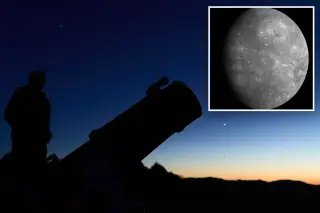
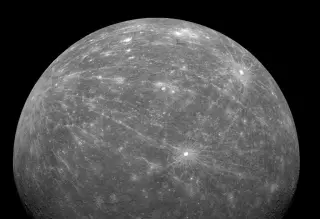
Mercury can reach about 430°C in sunlit areas, but its poles host billions of tonnes of water ice tucked in permanently shadowed craters. The planet’s near-absence of atmosphere and the geometry of crater shadows keep these deposits cold and insulated, so they persist rather than melt. The ice is likely delivered by comets, water-rich asteroids, or solar-wind interactions over time, not formed in place. MESSENGER measurements suggest a mass range from about 20 billion to 1 trillion tonnes, and the upcoming BepiColombo mission should refine these figures. The ice is better viewed as a frozen archive of volatile delivery rather than a subsurface ocean.

Mercury’s permanently shadowed polar floors cradle water ice, revealed by MESSENGER data
sciencespace1 month ago

Mercury’s permanently shadowed polar floors cradle water ice, revealed by MESSENGER data

Mercury’s cold polar crater floors hold water ice on permanently shadowed terrain, a conclusion supported by MESSENGER (2012) via radar-bright deposits, a hydrogen signal from neutron measurements, exposed versus buried ice seen in laser altimetry, and thermal models. Ice can be exposed in some areas and buried under a thin, dark cover in others; deposits may range from metres to tens of metres thick, and their age and origin remain topics of study, with delivery likely from comets/asteroids over hundreds of millions of years. The upcoming BepiColombo mission will map these regions in greater detail but will not land in the cold traps.

Mercury’s Wrinkles Reveal a Shrinking World as Its Core Cools
space1 month ago

Mercury’s Wrinkles Reveal a Shrinking World as Its Core Cools

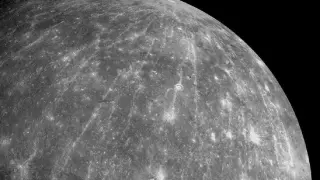
Mercury has cooled enough to shrink its radius by roughly 1–7 kilometers, leaving long lobate scarps that wrinkle the planet’s surface; recent analyses place the amount of contraction near 6.3 km when wrinkle ridges are counted and about 1.2 km when they’re excluded, highlighting a debate over whether the deformation records global shrinkage or mainly local faulting. The upcoming ESA–JAXA’s BepiColombo mission, arriving in 2026–27, is expected to help resolve how much of Mercury’s contraction is global versus localized.

Global Facebook outage knocks out Messenger and the main app
technology2 months ago

Global Facebook outage knocks out Messenger and the main app

Facebook and its Messenger app went down in a global outage, logging users out with “an unexpected error” messages while the main site struggled; Instagram and WhatsApp largely stayed online, though some Instagram features were affected. Meta did not provide a consumer status page at the time, Downdetector reported widespread disruption, and updates tracked the outage in a live blog as users and services tried to recover.

Mercury’s Day Is Longer Than Its Year: 176 Earth-Day Sunrises
space2 months ago

Mercury’s Day Is Longer Than Its Year: 176 Earth-Day Sunrises

Mercury’s solar day (sunrise to sunrise) lasts 176 Earth days, because the planet spins once every 59 Earth days but orbits the Sun every 88 days, locking into a 3:2 spin-orbit resonance. As a result, a given spot on Mercury faces the Sun for two Mercury years before sunrise repeats, and the Sun can appear to rise, set, and rise again in a single day. This geometry—paired with a thin atmosphere—produces extreme day-night temperatures and explains why a “day” on Mercury is two years long, even though its year is just 88 days.

Meta Shuts Down Messenger.com, Moves Web Messaging Into Facebook
technology6 months ago

Meta Shuts Down Messenger.com, Moves Web Messaging Into Facebook

Meta will retire messenger.com and discontinue the Messenger desktop app, with messenger.com no longer available for messaging starting April 2026. Web messaging will move to facebook.com/messages and be integrated into Facebook rather than a standalone Messenger platform, while Messenger remains available on mobile. The move signals Meta’s broader shift toward consolidating messaging across its apps and reducing maintenance across separate tools amid regulatory and strategic considerations.

Messenger Enhances Video Calls with HD, AI Backgrounds, and More
technology1 year ago

Messenger Enhances Video Calls with HD, AI Backgrounds, and More

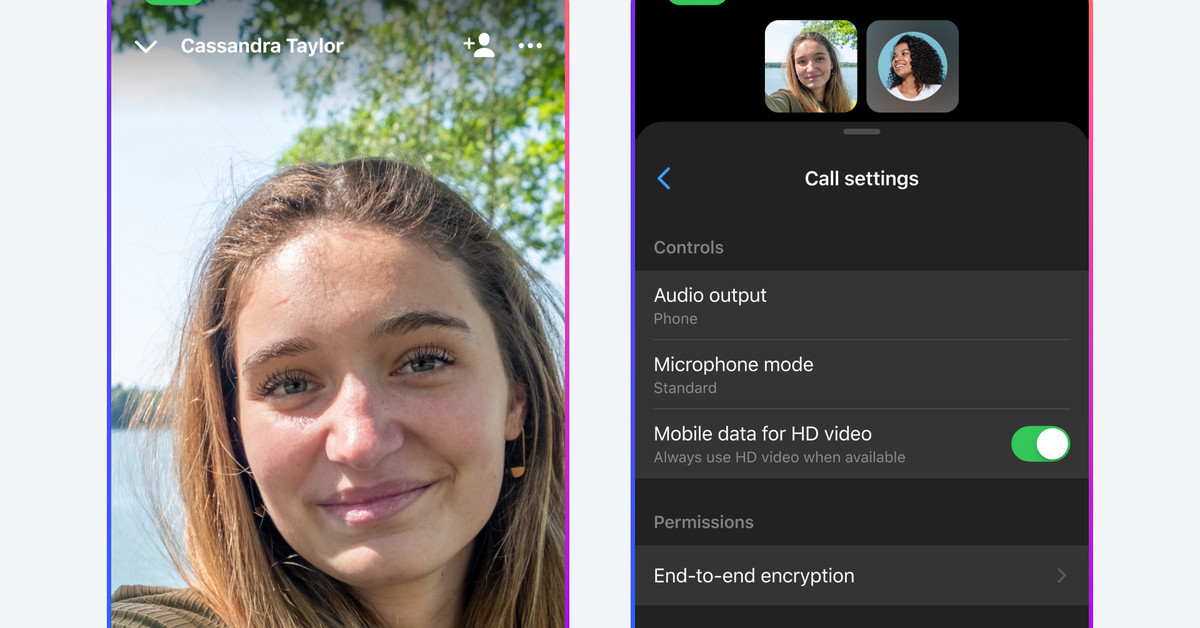
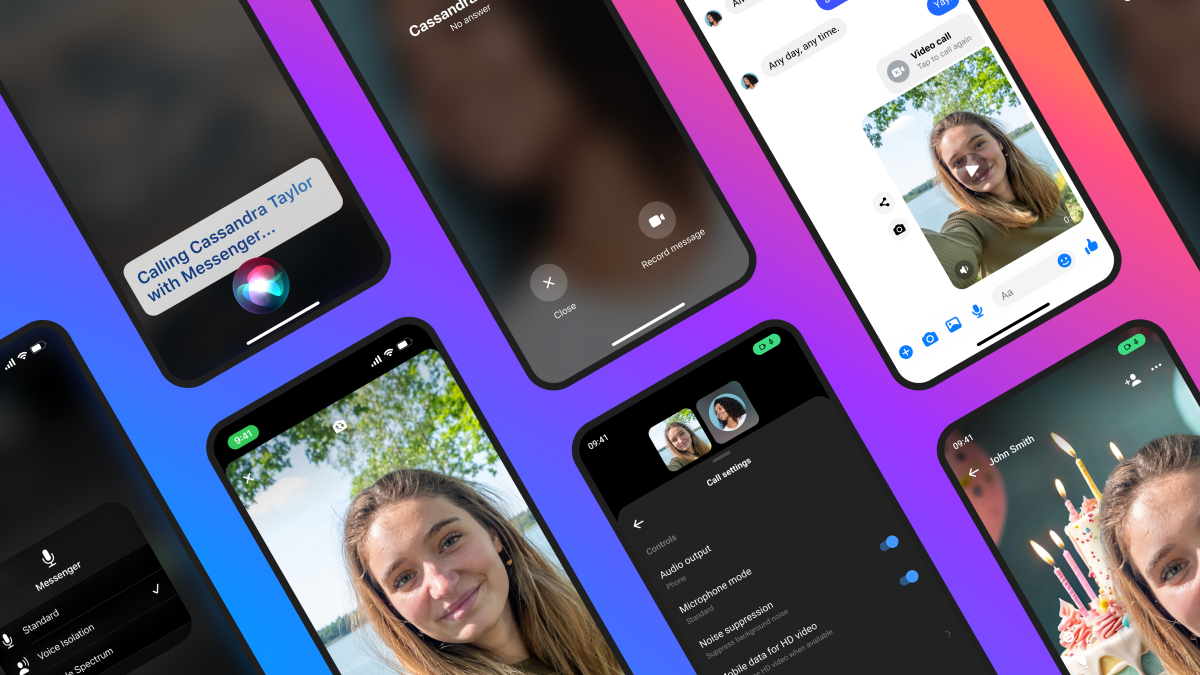
Meta is enhancing its Messenger app with HD video calling, noise suppression, and AI-generated backgrounds to compete with other video calling apps like Zoom and FaceTime. These features, including the ability to leave voice or video messages, are now available, with HD calling enabled by default on Wi-Fi. Users can also use Apple's Siri for hands-free calling and messaging through Messenger.

Meta Enhances Messenger with AI Backgrounds and HD Video Calls
technology1 year ago

Meta Enhances Messenger with AI Backgrounds and HD Video Calls

Meta has announced new features for Messenger Calling, including AI-generated backgrounds for video calls, HD video quality, background noise suppression, and voice isolation to enhance call clarity. Users can also leave audio or video messages for missed calls and utilize hands-free calling and messaging through Siri. These updates aim to make Messenger Calling more reliable and enjoyable, reflecting Meta's commitment to improving user connectivity.

"Enhanced Sharing on Messenger: HD Photos, Shared Albums, and Larger File Support"
technology2 years ago

"Enhanced Sharing on Messenger: HD Photos, Shared Albums, and Larger File Support"

Messenger introduces the ability for users to create shared albums in chats, send high-definition photos, and share larger files up to 100MB. Users can now organize photos and videos in group chats by creating albums, add, delete, and download pictures and videos, and send multiple HD photos by toggling an "HD" option. Additionally, users can now send Word, PDF, Excel, and zip files directly in chats and connect with others by scanning a QR code. These new features are rolling out on mobile to all Messenger users.

"Meta Announces WhatsApp and Messenger Interoperability to Comply with EU's DMA Regulations"
technology2 years ago

"Meta Announces WhatsApp and Messenger Interoperability to Comply with EU's DMA Regulations"

Meta details its plans to implement interoperability in WhatsApp and Messenger with third-party messaging services to comply with the EU's Digital Markets Act (DMA) regulations, which require gatekeeper companies to open some of their services to competitors. The company expects third-party providers to use the Signal Protocol for end-to-end encryption and proposes a "plug-and-play" model for connecting to its infrastructure. However, challenges such as potential data exposure and loss of connection level signals are noted in the proposed technical architecture.

"Meta Unveils Safe Interoperability for WhatsApp and Messenger with Third-Party Apps"
technology2 years ago

"Meta Unveils Safe Interoperability for WhatsApp and Messenger with Third-Party Apps"

Meta has outlined its plans for third-party messaging apps to be interoperable with WhatsApp and Messenger in compliance with the new European Union law. The company will require third-party developers to use the Signal protocol for end-to-end encryption and host media files on their own servers. While Meta can ensure security within its own ecosystem, it cannot guarantee the same level of security for messages sent to or from third-party apps. Developers will need to sign an agreement with Meta and be prepared to enable interoperability with another service within three months of receiving a request.