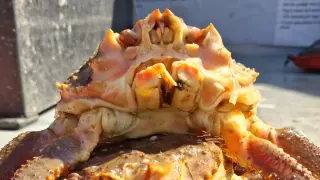
A 2018-2019 marine heatwave in the Bering Sea caused a massive collapse in snow crab populations, which unexpectedly led to a record surge in hybrid snow-Tanner crabs by 2025. This shift complicates fishery management and raises ecological questions.
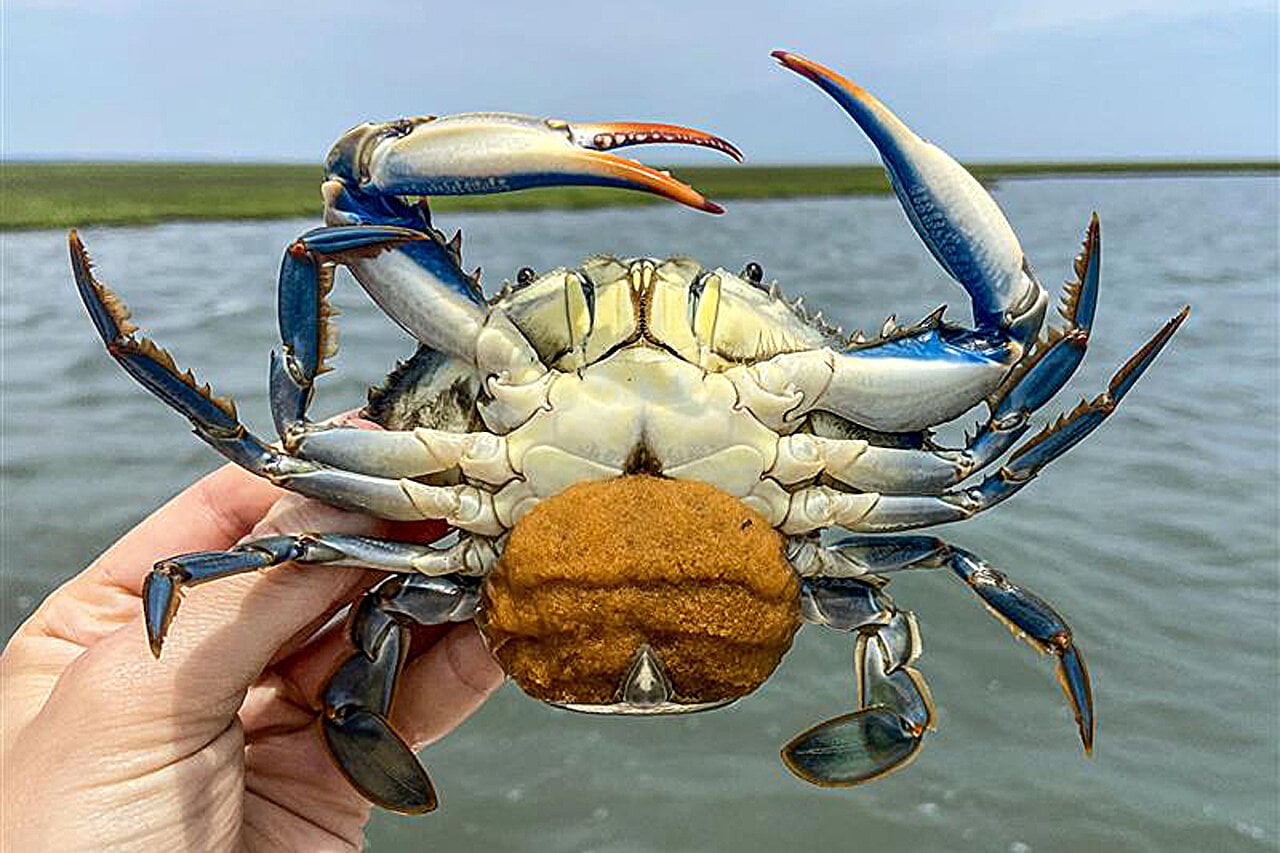
A study suggests that a parasitic, egg-eating worm found on female blue crabs in Chesapeake Bay could serve as a biomarker for their reproductive history, helping to manage and potentially rebuild crab populations by identifying spawning females and understanding reproductive patterns, especially in low-salinity conditions.
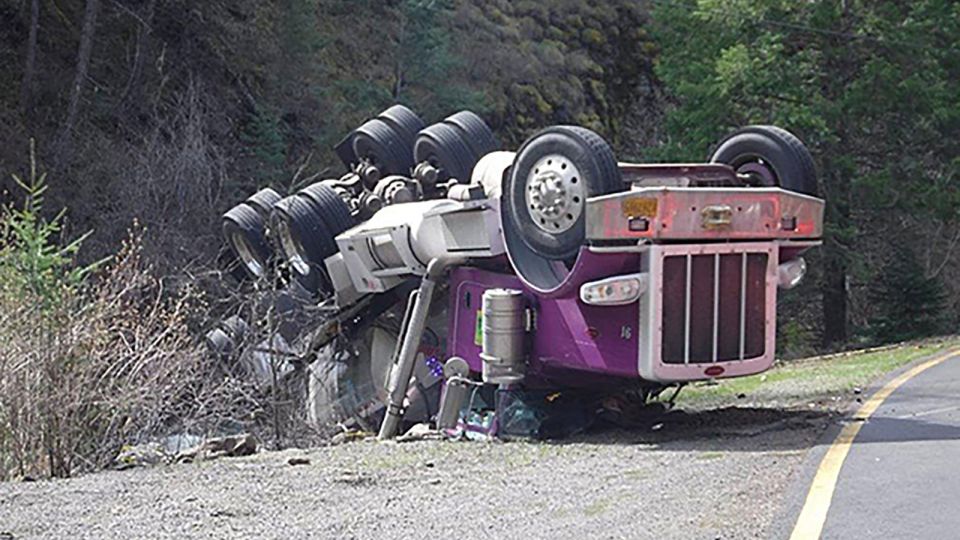
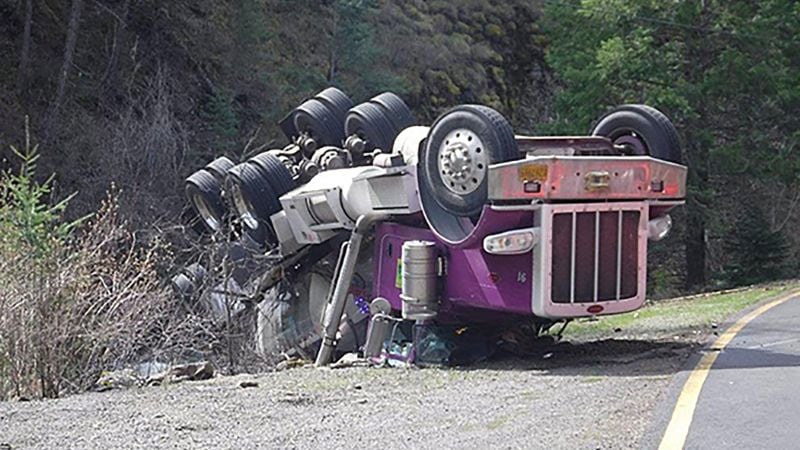
A truck carrying over 100,000 salmon intended for the Imnaha River in Oregon crashed, with over 70,000 fish miraculously landing in a nearby creek and expected to survive. The accident resulted in the loss of 25,529 smolts, impacting the river's salmon population for the next few years. Despite the setback, fishery managers remain hopeful as salmon are known for their resilience and adaptability.
A truck carrying over 100,000 young salmon crashed and overturned in Oregon, with over 70,000 of the fish miraculously landing in a nearby creek and expected to survive. The accident occurred on a sharp corner, causing the truck to roll onto its roof, and resulted in the loss of about 25,529 smolts. The salmon were intended to replenish local populations in the Imnaha River, and the loss is expected to impact the number of adult fish returning in 2026 and 2027. Despite the setback, the salmon are known for their resilience, and many are expected to adapt and survive in their new environment.