Two sepsis survivors recount life-threatening battles after common infections, highlighting how quickly sepsis can shutdown organs. With National Sepsis Awareness Month underway, they urge people to seek emergency care and request sepsis testing when infections worsen, noting that early antibiotics and treatment can save lives and recovery can require lengthy hospital stays and rehab.
Florida mom Genevieve Gallagher survived a Vibrio infection that started from a small leg cut during a boating trip; the case highlights how warm coastal waters can cause severe illness, including necrotizing fasciitis and sepsis, and she warns others to protect wounds before swimming and take basic beach-safety precautions.
Louisiana health officials warn residents about Vibrio vulnificus, a flesh-eating bacterium, after nine infections and five deaths this year—above the state's 10-year average of seven cases and one death. All reported cases involved wounds exposed to seawater, and most patients had underlying health conditions. Vibrio bacteria live in coastal waters and can be contracted by eating raw shellfish or through open wounds; the infection has a noticeable fatality rate. High-risk groups include people with liver disease, cancer, diabetes, HIV, or immune suppression. Seek medical care immediately if a wound exposed to brackish or salt water becomes red, swollen, or discolored.
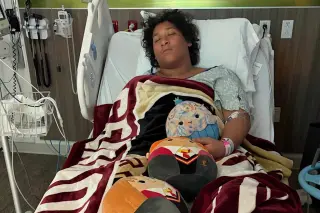
A teenager in Florida was hospitalized after contracting a flesh-eating bacterial infection while swimming with siblings; doctors warn these infections can be serious and require prompt medical attention.
Sepsis is a potentially deadly, umbrella term for an overactive, unpredictable immune response to infection that can follow pneumonia or other infections. There isn’t a single test for sepsis; diagnosis relies on symptoms and clinical judgment. Common signs include fever, low blood pressure, a fast heart rate, and confusion, though symptoms vary by infection source, and septic shock can lead to organ failure. Kyle Busch’s death after pneumonia progressed to sepsis underscores the risk. Prompt emergency treatment is crucial, and prevention—through vaccines and proper infection care—can reduce risk.
Sepsis is the body’s dangerous overreaction to infection, not just the infection itself, and can follow pneumonia, urinary infections or kidney stones. About 1.7 million U.S. adults develop sepsis annually with roughly 350,000 deaths in hospital or hospice care. Early recognition and treatment—IV fluids, broad-spectrum antibiotics, and source control—within the first hour are crucial, but outcomes remain unpredictable. Survivors often face post-sepsis syndrome (fatigue, sleep problems, anxiety) and higher risks of heart and kidney issues. The TIME tool (Temperature, Infection, Mental decline, Extremely ill) helps people and clinicians spot warning signs quickly. The piece also underscores that this condition has become more visible, partly due to high-profile cases like Kyle Busch, and that rapid hospital protocols aim to curb the body’s widespread inflammatory response before organ failure occurs.
The piece explains that sepsis is the body's extreme, potentially deadly reaction to infection—affecting about 1.7 million US adults yearly with hundreds of thousands dying—where the inflammatory response, not the infection alone, can cause organ failure. Early recognition and rapid treatment (IV fluids, broad‑spectrum antibiotics, and identifying the infection source) improve outcomes, but sepsis can originate from pneumonia, urinary infections, kidney stones, skin wounds, or surgeries. Even after surviving, many endure post‑sepsis syndrome (fatigue, sleep problems, anxiety) and higher risks of heart/kidney disease. Tools like the TIME acronym help people spot warning signs and seek urgent care promptly.
Sepsis is a life-threatening reaction to infection that kills about 350,000 Americans each year and accounts for a large share of deaths worldwide, yet its symptoms are often vague and begin with common infections like those in the lungs or urinary tract. Early recognition and prompt treatment with antibiotics and IV fluids dramatically improve survival, though risk is highest for older adults, people with weakened immune systems, and those with chronic illness. Even after recovery, sepsis can leave lasting physical and mental health effects, underscoring the need for awareness and swift medical evaluation when someone doesn’t look or feel right.
Ballmaxxing, a viral trend of injecting fluids like saline or Surgilube into the testicles to enlargen them, carries serious dangers including infection, abscesses, tissue damage, and potential permanent disfigurement—especially when done at home with nonsterile materials. Medical fluids are not meant for injection outside clinical settings. Experts urge seeing a board-certified urologist for evaluation of testicular size and hormonal health, with safer options like testosterone replacement therapy or prosthetic implants as alternatives.
Hantavirus is a rodent-borne illness that can cause severe respiratory disease. It spreads when people inhale virus particles from infected rodents’ urine, droppings, or saliva or come into contact with contaminated materials. Early signs often include fever, fatigue, muscle aches, and headaches, with some cases progressing to coughing or shortness of breath as the lungs are affected. There is no specific cure; treatment focuses on supportive care, and prevention centers on reducing rodent access and avoiding disturbance of droppings in places like homes, sheds, and cabins.
An otherwise healthy-looking 78-year-old man developed six months of progressive, dark necrotic skin lesions caused by the free-living amoeba Acanthamoeba. After skin biopsies and DNA testing confirmed the organism, doctors treated him with a five-drug regimen and pursued an FDA-approved single-patient nitroxoline trial, with short-lived improvement before multiorgan failure and death six weeks after diagnosis. Researchers speculate that factors such as nasal rinses (a likely exposure route), advanced age, and dupilumab immunomodulation may have contributed to susceptibility, though evidence remains limited.
A new study shows that the common fungus Candida albicans and the bacterium Enterococcus faecalis can join forces to cause far more severe tissue damage than either microbe alone. The damage hinges on a toxin called cytolysin and close physical contact between the microbes, with the outcome depending on specific bacterial strains. The findings suggest mixed infections are not just cohabitation but coordinated attacks, potentially guiding more precise diagnosis and targeted treatments.
A 29-year-old Alaska hunter developed a severe finger infection after skinning a brown bear. Weeks of inconclusive tests culminated in DNA sequencing identifying Mycoplasma phocimorsus as the seal finger pathogen, marking the first brown-bear–associated case. The bacterium is hard to culture and may resist standard antibiotics, requiring targeted treatment such as doxycycline. The patient recovered after surgical debridement and appropriate antibiotics; health officials advise wearing protective gloves when handling marine-environment game and pursuing prompt treatment for suspicious infections.
King Harald V, 89, was admitted to a Tenerife hospital with an undisclosed infection and dehydration; officials say his condition is good and his personal physician will travel from Norway for ongoing care.
UKHSA says 59 confirmed Burkholderia stabilis infections, including one death, are linked to non-sterile wet wipes and is urging the public to stop using them and dispose of affected brands to prevent further cases.