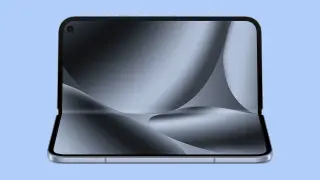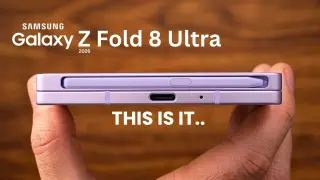
Samsung reportedly plans a marketing push aimed at iPhone Fold users by offering a complimentary upgrade to Galaxy Z Fold 8 features, signaling intensified competition in the foldable smartphone space.
Rumors suggest Apple will launch a foldable iPhone Ultra and iPhone 18 Pro featuring a tri-display setup (7.5-inch main, 5.5-inch secondary, external screen), under‑display Face ID, USB‑C on the display side, a 5,000–6,000 mAh battery with vapor‑chamber cooling and wireless reverse charging, and an A20 Pro 2nm chip. The Ultra is billed as a premium, limited‑quantity device with a titanium hinge and expected price around $2,000–$3,000, while the 18 Pro emphasizes design continuity and accessory compatibility.
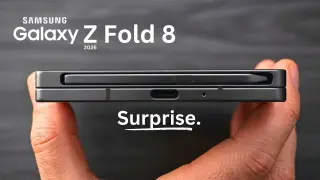
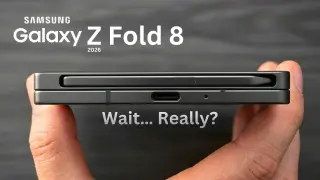
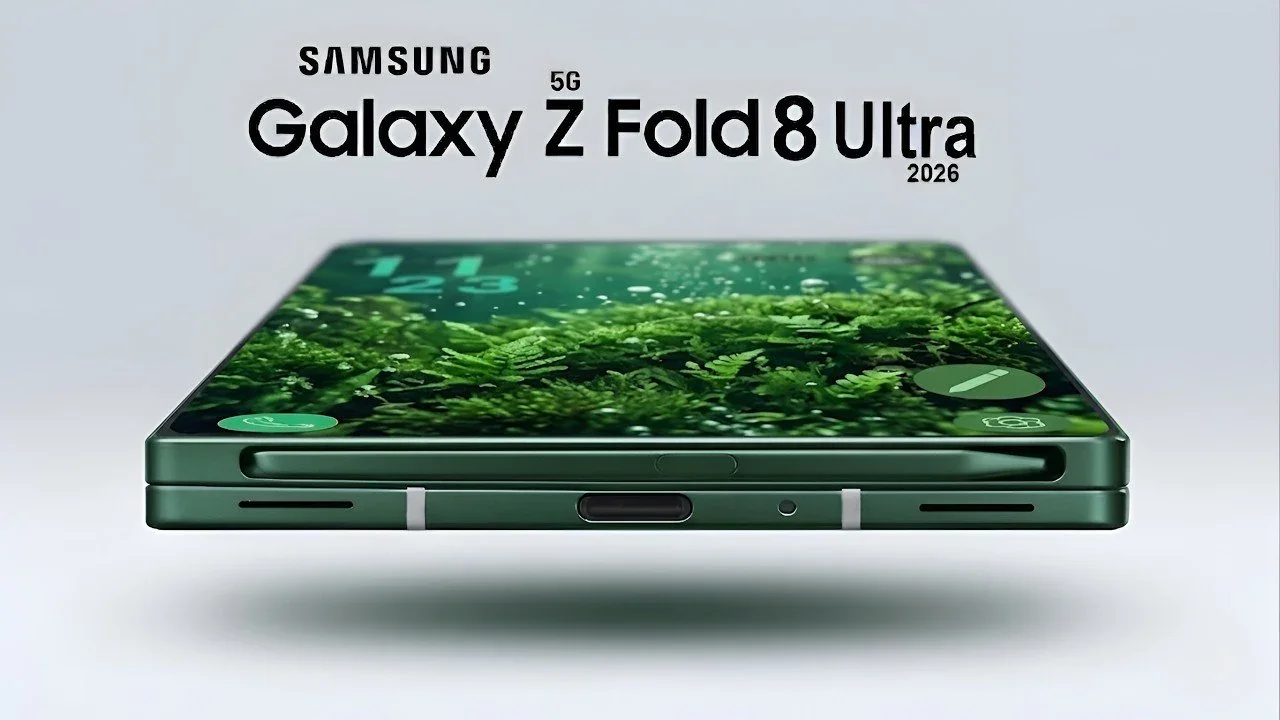
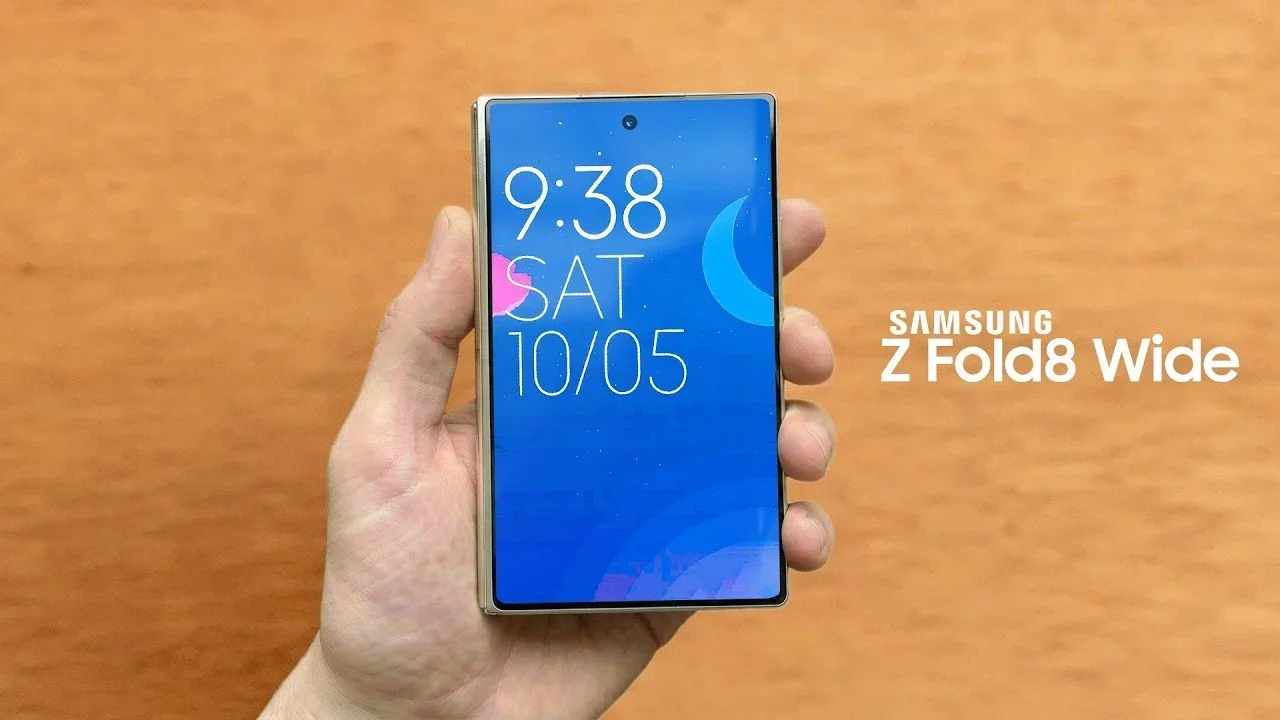
Samsung revealed the Galaxy Z Fold 8 and Galaxy Z Fold 8 Wide for July 22, packing crease-free OLED displays, a sleeker unfolded profile (4.5mm) and folded thickness of 9mm, two camera setups (Fold 8: 10MP telephoto, 50MP ultrawide, main; Fold 8 Wide: 200MP main, 50MP ultrawide), Snapdragon 8 Elite Gen 5 with enhanced cooling, 5,000mAh batteries with 45W charging, and S Pen support to boost productivity, signaling a refined evolution in premium foldables focused on usability and performance.
Leaks suggest the Galaxy Z Fold 8 will retain Samsung’s foldable design while shrinking the front camera cutout from 3.7 mm to 2.5 mm for a cleaner display, with subtle design refinements and a revived S Pen. Samsung’s London Unpacked event on July 22 is expected to reveal the Fold 8 and potentially a wider foldable device, plus ecosystem expansions like the Z Flip 8 and Galaxy Watch, as competition from Apple and other Android makers intensifies.
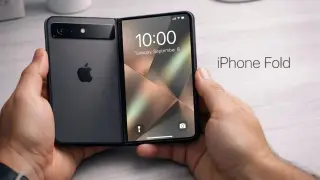
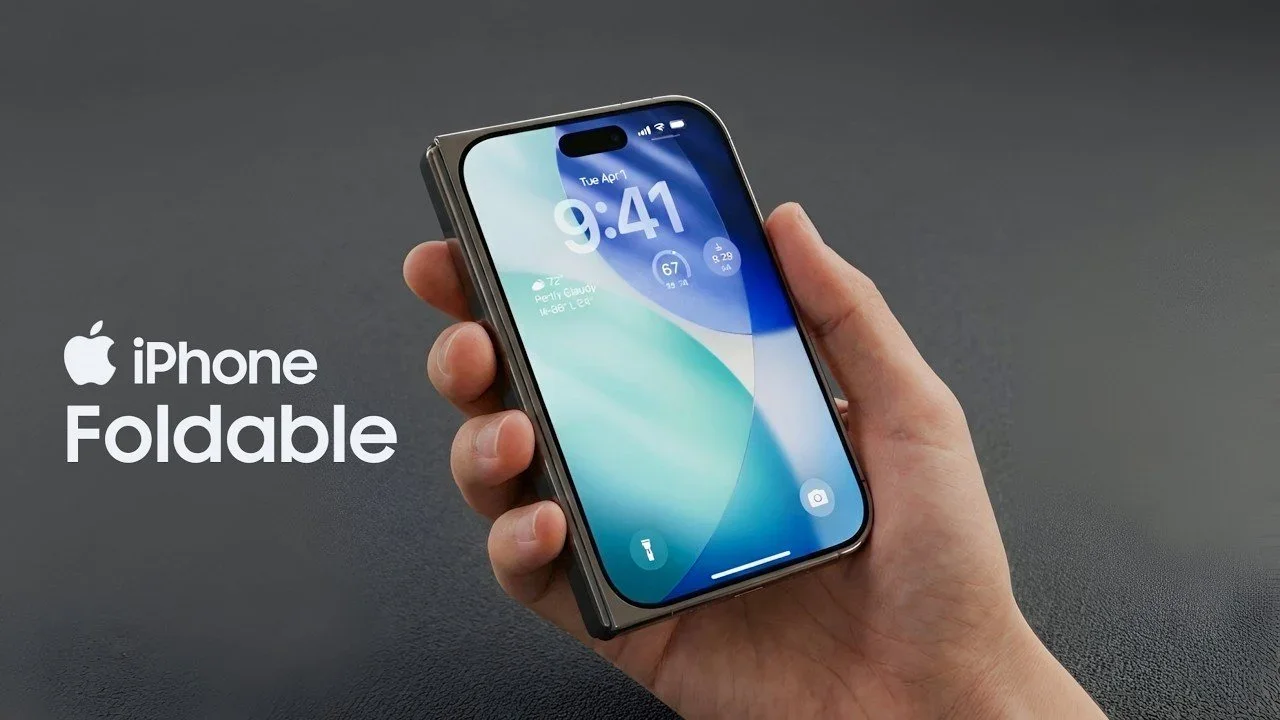
Apple is reportedly entering the foldable market with the iPhone Fold, expected to be unveiled at the September 2026 event alongside the iPhone 18 Pro lineup. Production challenges and regional supply constraints could yield a staggered rollout, with shipping anticipated around December 2026. Rumored specs include a 7.8-inch inner foldable display, 5.5-inch outer display, Apple A20 Pro (2nm) with 12GB RAM, 5,800mAh battery, and a price range of $1,999–$2,499, all tied to optimized iOS for a seamless phone-to-tablet experience.
Samsung’s Galaxy Z Fold 8 emphasizes durability, refined usability and strong performance over new innovations, with a reworked hinge, dual-layer ultra-thin glass and a reinforced metal plate to reduce creases. It sports a 6.5-inch cover display and an 8-inch inner screen at 120 Hz, powered by the Snapdragon 8 Elite Gen 5, up to 16 GB RAM and 1 TB storage, and a 5,000 mAh battery with 45W charging plus wireless options. The report also teases potential S Pen support and a larger Galaxy Z Wide Fold for productivity-focused users, signaling a dual-category foldable strategy for Samsung.
Apple is reportedly preparing its first foldable smartphone, the iPhone Fold, featuring a 7.8-inch inner display and a larger outer screen to rival Samsung’s Galaxy Z Fold 8. Expected upgrades include reduced crease via advanced materials (potentially sourced from Samsung), a 4:3 aspect ratio, and a 5,500 mAh battery for longer life, all supported by an iOS optimized for foldables and enhanced multitasking. Durability improvements include a tough polyimide layer and a liquid metal hinge. Camera may lack a telephoto lens, while AI features are anticipated. Priced around $2,000, the iPhone Fold aims to refine the first-gen foldable concept and push competition in the ultra-premium segment.
Samsung’s Galaxy Z Fold 8 and Z Fold 8 Wide are rumored to pack larger batteries (5,000mAh and 4,900mAh), faster charging (45W–60W), and a lighter, thinner design while facing rising competition from Apple’s anticipated foldable iPhone; pricing is expected around $2,000, with Samsung still a leading foldable-display supplier.
OPPO has revealed the Find N6 with a 6,000mAh battery and 80W charging, an ultra-flat foldable display, AI Stylus support, a 200MP triple rear camera (with 50MP ultrawide and 50MP telephoto with OIS), and dual 20MP front cameras, powered by a Snapdragon 8 Elite Gen 5 7-core, 12GB RAM, and 256GB storage; the device is set for a global launch on March 17, 2026 (after a China reveal) as it pits itself against Samsung’s Galaxy Z Fold 8, which is expected to arrive in two variants with a 5,000mAh battery and 45W charging, aiming for a July 2026 release.
Samsung is launching the Galaxy Z Fold 8 series in 2026, featuring two models: the standard Z Fold 8 and the new Wide version with a passport-style design and high-end features like a 200MP camera and potential SPen support, aiming to compete with Apple's rumored foldable iPhone and cater to diverse user preferences.
Samsung is developing a foldable smartphone called 'Wide Fold' with a passport-style form factor, a 7.6-inch main display, and a 5.4-inch cover display, aiming for a fall 2026 launch as a competitor to Apple's iPhone Fold, featuring a crease-free display and improved user experience.
The iPhone Fold is expected to launch in fall 2026, arriving at a time when the foldable smartphone market is experiencing significant growth and maturity, making Apple's late entry potentially advantageous as foldables become mainstream.
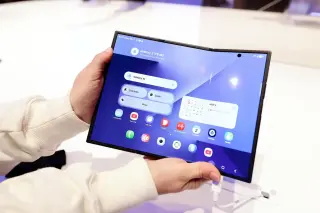
Samsung is preparing to launch its long-awaited tri-fold smartphone, possibly called Galaxy Z TriFold, around October, with an unveiling expected at the APEC summit. The device's release outside South Korea and China remains uncertain, but strong sales of the Galaxy Z Fold 7 in the US could influence Samsung's global rollout plans.
Samsung's Galaxy Z Fold 7 and Z Flip 7 are experiencing strong demand in the U.S., driven by major design improvements, increased battery life, and AI integration, with the Z Fold 7 attracting many former Galaxy S Ultra users and setting sales records.
In Q2 2025, Motorola's Razr (2025) outperformed Samsung's foldables in shipments, capturing 28% of the global market compared to Samsung's 9%, driven by strong sales in the US and China, despite Samsung's new Galaxy Z Fold 7 and Z Flip 7 also performing well. The foldable market is growing, with overall shipments up 45% YoY, and Motorola's success marks a significant shift in the competitive landscape.