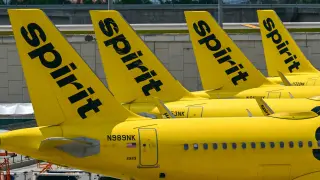
Rising oil prices and Spirit Airlines’ sudden shutdown are pushing ticket costs higher and limiting summer travel options, forcing travelers to rebook at premium prices or switch to trains/buses, while demand for vacations remains strong and budget routes shrink due to reduced competition.
Airfare has climbed amid higher jet-fuel costs and the Iran conflict, with domestic round-trips up about 8% and international fares up about 42% since late February. Travel experts advise buying sooner rather than later, highlighting a 'Goldilocks' window: roughly 3–7 months ahead for domestic trips and 4–10 months for international journeys. If possible, monitor prices now and consider fall shoulder seasons for savings rather than waiting for the conflict to end.
Rising jet-fuel costs and geopolitical tensions are driving up airfares and reshaping summer travel, with airlines trimming routes and travelers turning to closer, cheaper getaways or staycations as costs mount; experts urge flexibility, shorter booking windows, and travel insurance to manage uncertainty while the industry adjusts.
Geopolitical tensions and disruptions to jet-fuel supplies are driving up airfares and forcing airlines to cut capacity, pushing many travelers away from long-haul trips toward closer, cheaper options or staycations. Experts advise staying flexible, prioritizing direct flights when possible, and buying travel insurance, while monitoring safety advisories as carriers adjust schedules and surcharges amid the ongoing energy and security concerns.
War-related disruption of the Strait of Hormuz has driven jet-fuel prices up and forced airlines to cut routes and raise fares, complicating summer travel. Travelers are advised to book early or consider delaying to later in the season, explore off-peak destinations, and use cost-saving strategies—avoiding extra fees, mixing carriers, or opting for trains where feasible—to navigate higher prices and tighter availability.
Rising jet fuel costs linked to the Iran conflict are forcing airlines to cut routes and raise prices. Travelers can counter with early bookings (international 2–5 months out, domestic 3–6 weeks), flexible dates and destinations, lighter packing to avoid extra fees, and by using loyalty points or travel cards to offset costs. Avoid Basic Economy due to restrictive policies, and consider refundable fares for price flexibility.
With the Iran conflict driving up flight costs and tightening availability, travel experts advise booking early (international flights 2–5 months out, domestic 3–6 weeks), staying flexible on dates and destinations, and using smart tactics like midweek departures, cheaper hub routes, and splitting trips into separate legs. Traveling light helps avoid rising baggage fees, and redeeming airline miles or credit card rewards can offset costs. Tools such as Skyscanner’s Explore Everywhere can reveal cheaper options, while a longer but cheaper long-haul via a hub or train connections may save money. In short: plan ahead, keep options open, and maximize rewards to weather rising airfare.
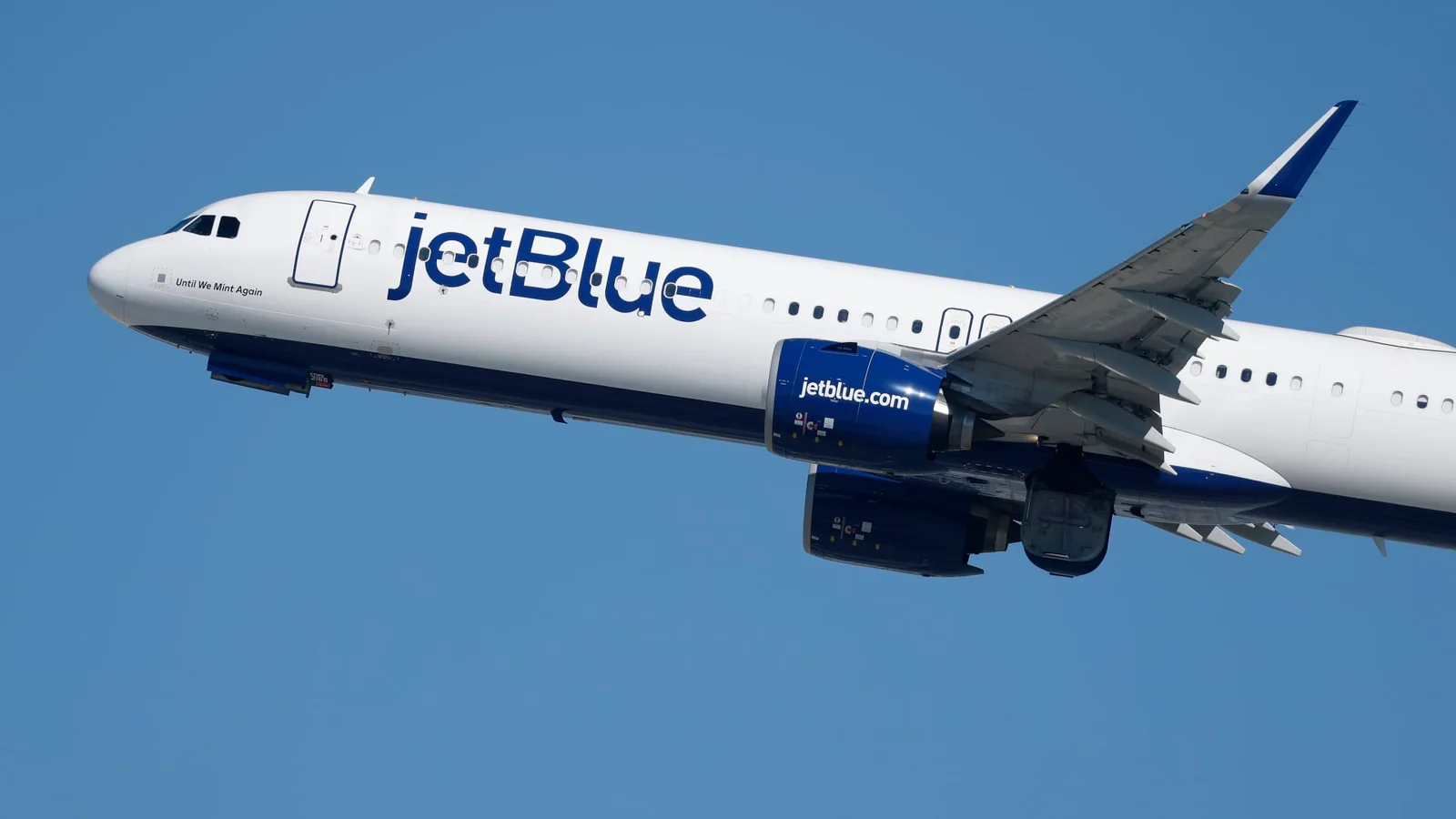
JetBlue is raising checked-bag fees as jet fuel costs rise amid global tensions, increasing the first bag fee to $39 off-peak and $49 peak for domestic/Caribbean/Latin America routes (from $35 and $40). Paying less than 24 hours before departure adds $10. Some travelers—such as those with co‑branded credit cards or elite status—are exempt. The move mirrors a broader industry trend of airlines offsetting higher fuel costs while trying to keep base fares competitive.
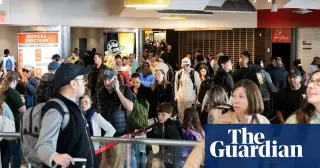
Rising airfares, fuel costs, and long TSA lines are cooling spontaneous mini-breaks, pushing travelers to drive or choose trips closer to home, and prompting some to delay plans or seek deals. Missed flights and security delays have hit some travelers hard, while others pivot to longer road trips or rail; even with demand intact, the pattern is shifting rather than disappearing as airlines trim flights and fuel prices push costs higher.
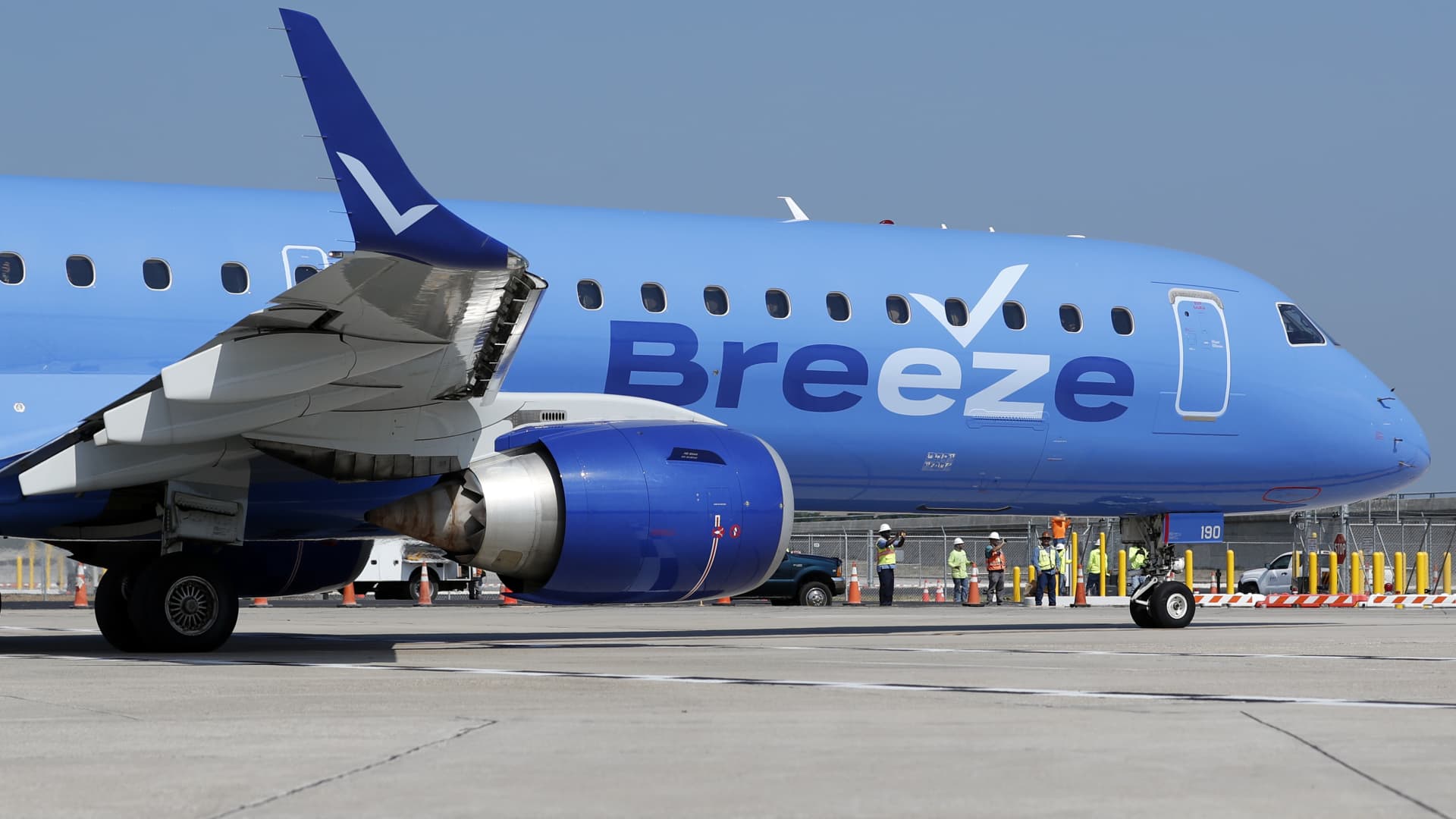
Breeze Airways, a U.S. startup airline founded by JetBlue's former CEO, is planning its first international flights starting in January 2024, with routes to Mexico, Jamaica, and the Dominican Republic, aiming to attract sun-seeking travelers with fares as low as $99 and a focus on underserved routes.
Spirit Airlines faces potential shutdown due to financial struggles, which could lead to higher airfares as its low-cost model has historically pressured other airlines to lower prices. Its possible sale or closure might reduce competition, resulting in increased fares for consumers, and could impact the overall airline industry and market dynamics.
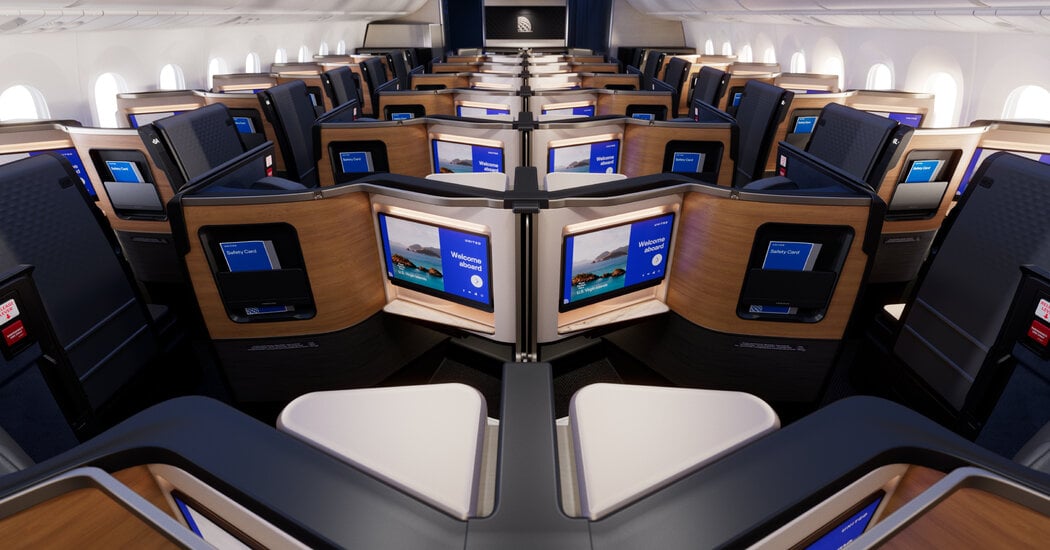
Airlines are increasingly expanding premium seating options and luxury amenities to attract wealthy travelers, even as overall fares drop and budget airlines attempt to rebrand as premium carriers. This strategy aims to boost revenue from high-paying customers despite overall industry losses, and is likely to continue.
Travel experts have discovered that airlines, such as Delta, are charging solo travelers higher prices for identical flights compared to groups, with examples showing a significant difference in fares for one versus two passengers.
A recent investigation found that Delta, United, and American Airlines are charging higher fares for solo travelers on some domestic flights, with prices sometimes doubling compared to traveling with a companion, a practice that appears to be embedded in their fare rules and not widespread across international routes.
Thanksgiving travel is expected to be busy in 2024, with nearly 80 million people traveling, including 71 million by car, as gas prices drop below $3 per gallon. However, air travel costs have risen, with domestic fares up 9% and international fares up 20% from last year. Despite inflation affecting grocery prices, many travelers are adjusting plans to manage costs, such as shortening trips or choosing cheaper accommodations. The busiest travel days are expected to be the Tuesday and Wednesday before Thanksgiving and the Sunday after.