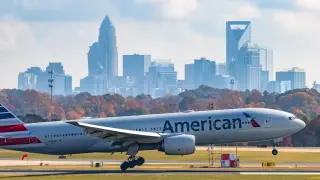
Charlotte City Council approved a 10.5-year lease with major airlines, including American, which critics argue will entrench high ticket prices by maintaining American's near-monopoly at Charlotte Douglas International Airport.
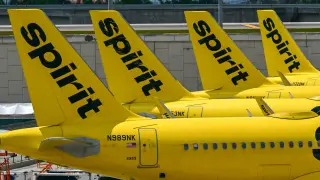
Five months after Spirit Airlines ceased operations, U.S. airfares have risen for nine consecutive months, with prices now 23% higher than last year. Former budget travelers report fewer deals and higher base fares, while competitors like JetBlue and Frontier have filled many routes. Some travelers are shifting to trains or full-service carriers for reliability, though costs remain elevated.
Delta Airlines says elevated airfares are likely to persist despite a drop in oil prices, reporting a $1.4 billion quarterly profit as demand remains strong and the carrier passed about 60% of higher fuel costs to customers; premium revenue rose 17% year-over-year while main cabin sales grew 8%, and Delta has expanded premium offerings with a 'basic business' option, signaling travelers remain willing to spend on trips even as costs stay elevated.
Jet-fuel costs have fallen sharply, but Delta says cheaper airfares aren’t on the horizon as demand remains strong and fares stay elevated. In its latest quarterly results, Delta offset higher fuel expenses with robust passenger revenue, and it now expects fuel costs to be about 20% lower in the current quarter as oil retreats, though airfares remain above pre-pandemic levels due to continued strong demand and premium travel.
IATA warns airlines will face an extra $100bn jet-fuel bill in 2026 as prices could rise up to 70%, forcing higher fares and cutting industry profits to about $23bn; long-haul and premium travel may bear most of the increases, with some carriers at risk, while Europe’s biometric border checks (EES) could cause delays, though Greece has opted out for UK travellers.
A record 45 million Americans are traveling this holiday weekend despite gas prices rising and airfares up about 20%, with travelers adjusting by shortening trips, skipping hotel stays, or using airline miles to manage higher costs while overall travel demand remains strong.
Airfares hit their highest level in nearly four years as jet-fuel costs surged (fuel is a major airline expense and is being passed to travelers), even with demand remaining strong for the summer. Gas prices are above $4 a gallon, and potential supply pressures could keep fares elevated. Spirit Airlines’ collapse removed a low-fare option, prompting capacity adjustments across carriers. TSA expects heavy travel around Memorial Day, while AAA notes roads won’t offer bargains; travelers can save by flexible dates, using tools like Google Flights Explorer, and redeeming miles or points.
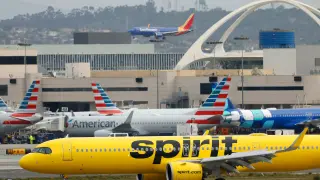
Following Spirit Airlines’ sudden collapse, competitors moved quickly to fill its routes and gates, launching new flights and boosting capacity from hubs like Fort Lauderdale and Atlantic City. Analysts say removing Spirit’s capacity could lift industry-wide pricing, especially as a spike in jet fuel costs tied to Middle East tensions adds pressure for budget carriers. Airlines including JetBlue, Breeze, United, Frontier, Southwest, and American are racing to secure Spirit’s former network and stranded customers, potentially pushing fares higher even as refunds are processed.
Spirit Airlines may shut down after failing to secure a $500 million bailout, potentially liquidating and ceasing operations. At Detroit Metropolitan Airport (DTW), Spirit is a major carrier, so its collapse could trigger immediate fare increases, fewer nonstop options, and economic impacts on jobs and tourism. Other airlines would attempt to fill gaps, but travelers could face short‑term disruption and higher prices, especially on routes Spirit has undercut historically.
California's jet fuel stockpiles have dropped more than 25% to about 2.6 million barrels—the lowest in roughly two and a half years—as the Iran conflict tightens global oil supplies and the West Coast's isolated fuel system leaves the state vulnerable. The shortage is driving higher airfares, route cancellations, and concerns for summer travel and the 2026 World Cup in Los Angeles, with Spirit Airlines facing potential bankruptcy if costs don't stabilize. California's refining capacity remains limited and increasingly dependent on imports, with jet fuel costs at LAX near $15 per gallon; analysts warn that sustained tight supply could threaten carriers and complicate travel plans.
Chevron CEO Mike Wirth warns that air travel prices may climb and flight availability could tighten in the coming weeks as global jet-fuel costs rise due to Iran tensions, with North America already seeing an 80%+ year-over-year surge in jet fuel and airlines adjusting routes; U.S. gas prices hover around $4.03/gal.
The Iran war has caused airspace restrictions that force flight reroutes, increasing fuel use and jet-fuel prices and lifting economy fares about 24% year over year, with Europe–East Asia routes seeing the largest price jumps (e.g., London–Melbourne +76%, Hong Kong–London +72%). Gulf long-haul capacity has shrunk, while some rivals expand elsewhere. Jet fuel now accounts for up to a quarter of operating costs; airlines and UK policymakers are weighing relief measures while officials push to de-escalate and reopen key routes like the Strait of Hormuz.
Jet fuel prices have surged in Los Angeles due to the Iran-Israel conflict, prompting airlines to raise fares and surcharges ahead of the summer travel season. With jet fuel comprising about a third of operating costs, carriers are passing costs to passengers, though demand remains strong domestically. California’s higher fuel costs and limited pipeline access exacerbate price pressures, and some shorter, less profitable routes could be trimmed or hedged by airlines to offset the impact.
Rising tensions over Iran and the closure of the Strait of Hormuz are driving jet fuel costs sharply higher, with prices jumping from about $85–$90 to as much as $150–$200 per barrel. Airlines including Qantas, SAS, and Air New Zealand have already raised fares, citing higher fuel expenses, while others hedge or reroute to manage risk. The squeeze could curb travel demand and pressure airline stocks, and further disruption from airspace closures and routing changes threatens global aviation in the near term.
Jet-fuel prices have jumped amid Middle East tensions, prompting airlines to raise surcharges and fares; carriers such as Cathay Pacific, Qantas, SAS and Air New Zealand have signaled price increases, with UBS forecasting a first-quarter earnings hit as fuel costs stay elevated. Strong travel demand and capacity constraints could give airlines pricing power, but the ultimate fare level will depend on how long the spike lasts and how routes adapt. Travelers can mitigate by booking early and choosing flexible tickets, since refunds or credits may apply if fares fall.