Tag

Gabaergic Neurons

All articles tagged with #gabaergic neurons

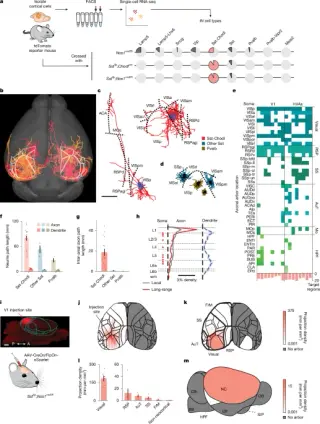
Rare Brain Neurons Found to Drive Sleep via Long-Range Inhibition
science2 months ago

Rare Brain Neurons Found to Drive Sleep via Long-Range Inhibition

Researchers identified a rare class of inhibitory neurons in the mouse neocortex that actively promotes sleep and cortical synchrony. These cells, characterized by co-expression of somatostatin and chondrolectin, are sparse but possess long-range axons that connect multiple brain regions. Their activation during low-arousal states correlates with slow-wave sleep, suggesting they play a direct role in regulating sleep beyond subcortical mechanisms.

"GABAergic Neurons: Key Players in Glucose-Dependent Insulinotropic Polypeptide's Control of Body Weight and Food Intake in Mice"
health3 years ago

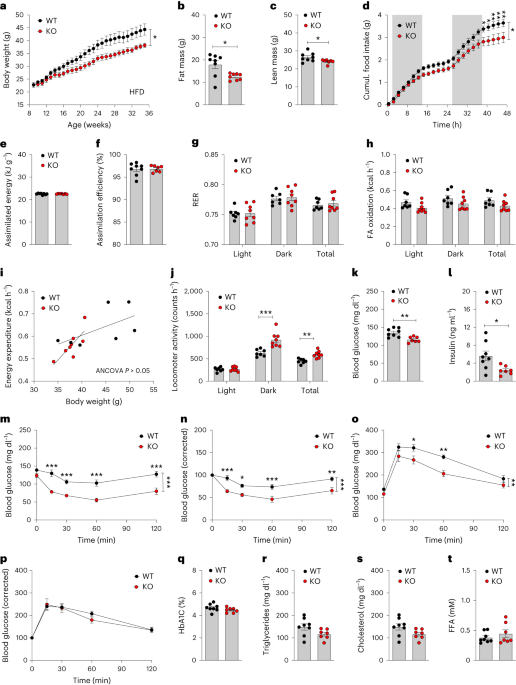
"GABAergic Neurons: Key Players in Glucose-Dependent Insulinotropic Polypeptide's Control of Body Weight and Food Intake in Mice"

Glucose-dependent insulinotropic polypeptide (GIP) regulates body weight and food intake through GABAergic neurons, according to a study in mice. The study found that GIPR agonism is a vital component of GIPR-GLP-1R co-agonism, which has been effective in treating obesity and diabetes. Mice with Gipr deletion in inhibitory GABAergic neurons showed decreased body weight, improved glucose metabolism, and decreased food intake. The study also revealed that GIP acts on hindbrain GIPR neurons to regulate food intake, and GIP requires GIPR signaling in inhibitory GABAergic neurons to decrease food intake. These findings provide insights into the mechanisms underlying the metabolic effects of GIP and GIPR-GLP-1R co-agonism.

Uncovering the Genetic Basis of Postpartum Depression
health3 years ago

Uncovering the Genetic Basis of Postpartum Depression

A study conducted by researchers at the UNC School of Medicine has revealed that approximately 14% of the variation seen in postpartum depression (PPD) cases can be attributed to common genetic factors. The genetic architecture of PPD was found to significantly align with that of other psychiatric and hormonal conditions such as major depression, bipolar disorder, and anxiety. The study also identified GABAergic neurons in the thalamus and hypothalamus as key areas for future PPD research, suggesting potential targets for focused treatment. However, more data is needed to pinpoint specific locations within the genome associated with PPD risk.