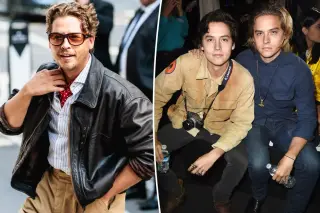
Dylan Sprouse revealed on his podcast that he and twin brother Cole are 'children of incest' after tracing their family tree to 19th-century California. The discovery, sparked by a pattern of twins on both sides of the family, led to a humorous exchange with Cole, who reportedly hung up on the news.
On October 20, 2026, actor Dylan Sprouse revealed on his 'Wildmen' podcast that he and twin brother Cole are 'children of incest' due to their family tree. Using the genealogy platform Ancestry, Dylan traced their lineage back to the 1800s California Gold Rush, discovering that their parents' ancestors married, diverged, and then reconnected in his parents' generation. The revelation was triggered by the presence of seven sets of twins across four generations in their family. When Dylan shared this finding with Cole, the 'Riverdale' actor reportedly responded by saying 'Not looking at that,' closing the image, and hanging up the phone.
Dylan Sprouse disclosed on his podcast that he and twin brother Cole are 'children of incest' after tracing their family tree to 19th-century California. He noted that both parents’ lineages merged via marriage during the Gold Rush, then diverged before reconnecting in his parents’ generation. The revelation follows his recent fatherhood and Barbara Palvin’s postpartum runway return.
Dylan Sprouse disclosed on his podcast that he and twin Cole are 'children of incest' after tracing their family tree to 19th-century California. He noted that both parents’ lineages merged via marriage during the Gold Rush, then diverged before reconnecting in his parents’ generation. The revelation follows his recent fatherhood and Barbara Palvin’s postpartum runway return.
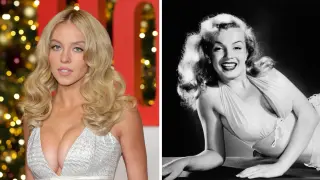
A new genealogical study by MyHeritage confirms that actress Sydney Sweeney and the late icon Marilyn Monroe are ninth cousins, once removed. The finding traces their lineage back to 17th-century British settlers in Massachusetts, adding a biological dimension to the long-standing public comparisons between the two stars regarding their fashion and public image.
MyHeritage research confirms that Marilyn Monroe and Sydney Sweeney are ninth cousins, once removed, sharing a 17th-century ancestor. The finding adds a biological dimension to the frequent public comparisons between the two actresses regarding their fashion and public image.
A new genealogical study by MyHeritage confirms that actress Sydney Sweeney and the late icon Marilyn Monroe are ninth cousins, once removed. The connection traces back to a shared 17th-century ancestor, Ezra Perry, an early settler in Sandwich, Massachusetts. While the two women share a similar public image and fashion choices, the biological link is distant, stemming from their fathers' lineages.
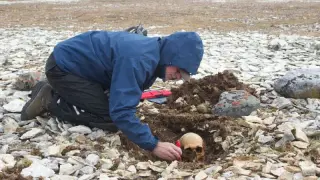
DNA from living descendants identified four Erebus crew members and the sole Terror sailor among the remains from Franklin’s 1845 expedition, solving long-standing misidentifications and offering clues about why the crew deserted their ships. The study by researchers at the University of Waterloo and Lakehead University used Y-chromosome and mitochondrial DNA to match bones to relatives, building on earlier identifications of John Gregory and James Fitzjames, with ongoing efforts to name more crew and humanize the tragedy.
Nearly 3 million records from Ireland's 1926 census—the first full census of the independent state—are being released online for free, offering new insight into post-1922 life and a global diaspora of about 80 million people with Irish ancestry. The data, which include each person’s name, age, birthplace, language (including Irish), religion and occupation, show regional patterns (about 53% of those over 12 employed in agriculture, from 0.9% in Dublin to 75% in counties like Galway) and a low overall unemployment rate (~6%). The release helps recover records lost in the 1922 Public Record Office fire and enables genealogical and migration research, while noting privacy protections (initials for hospital, prison, and other sensitive records).
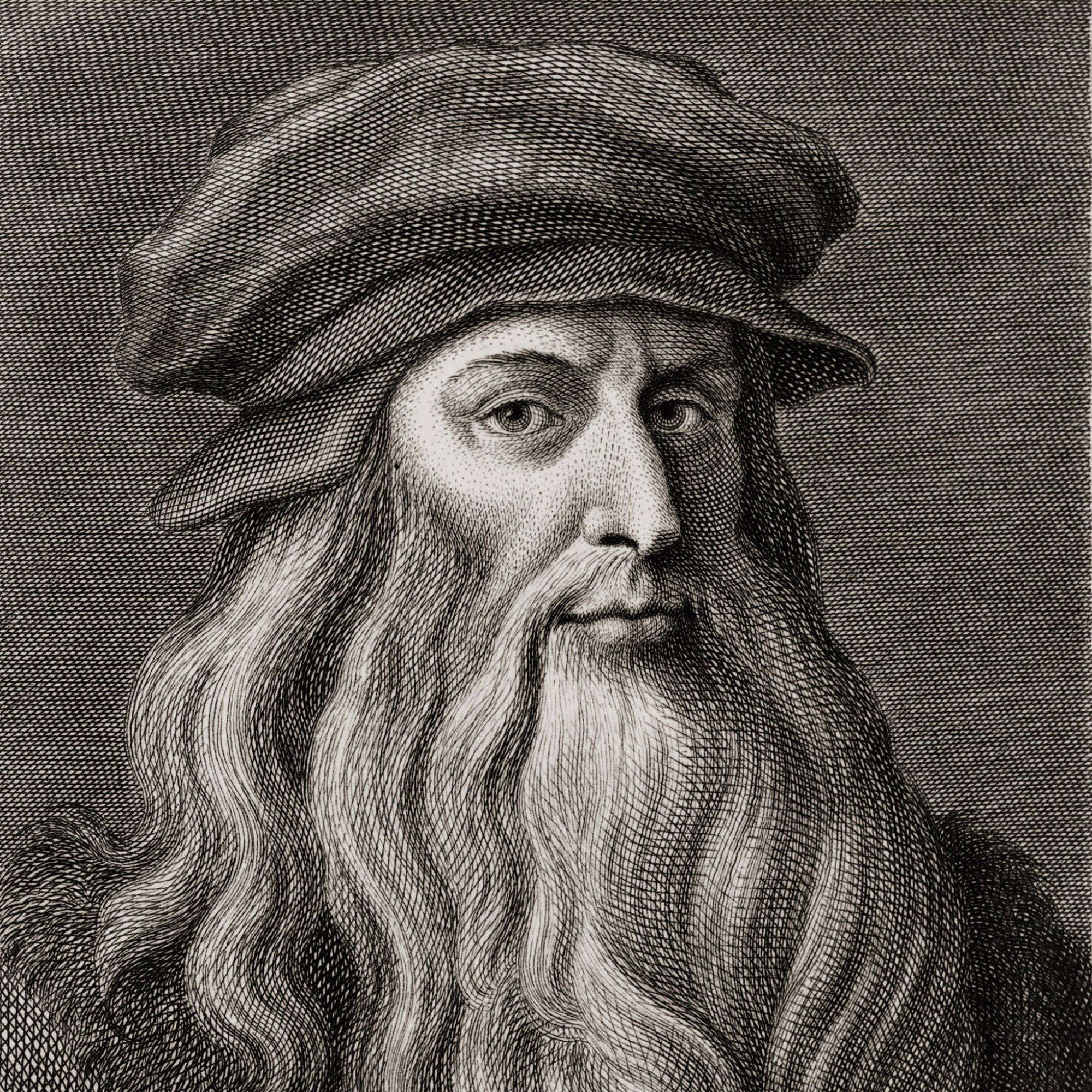
Scientists are close to reconstructing Leonardo da Vinci's DNA through a 30-year genealogical and genetic project, involving DNA analysis of living descendants and archaeological excavations in Vinci, Italy, which could reveal insights into his physical traits, health, and origins, and potentially authenticate his artworks and manuscripts.
Researchers are close to uncovering Leonardo da Vinci's genetic profile by studying his living male descendants and ancient remains, aiming to understand his biological traits, health, and possibly the origins of his genius through a groundbreaking international DNA project.
A groundbreaking DNA and genealogical study spanning 21 generations has confirmed the male-line descendants of Leonardo da Vinci, uncovered new details about his family, and explored biological traces in artifacts and remains, offering fresh insights into his life and legacy.
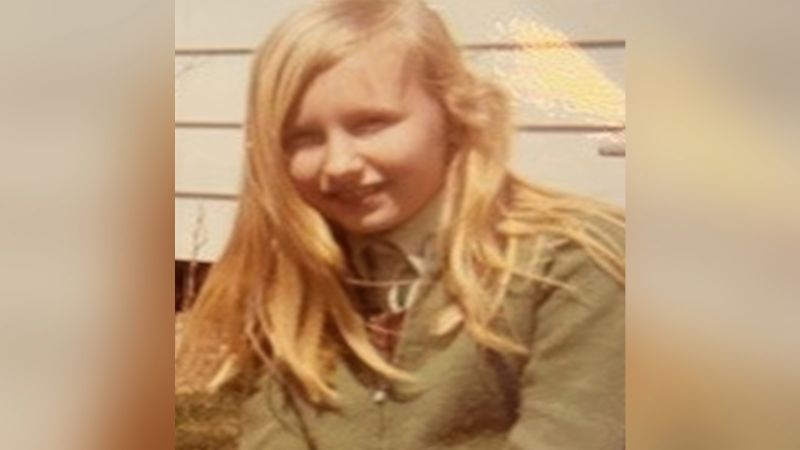
The remains of Ruth Elizabeth Brenneman, a 14-year-old girl from York, Pennsylvania, who went missing in 1973, have been identified through DNA analysis and genealogy research over 50 years later. Her decomposed body was found in a wooded area shortly after she disappeared, but remained unidentified until recent advancements in genealogy technology. The case highlights the role of investigative genetic genealogy in solving cold cases. The circumstances of her death remain unclear, and the investigation is ongoing, with a reward offered for information.
The remains of Ruth Elizabeth Brenneman, a 14-year-old girl who went missing in 1973, have been identified using genealogy, Pennsylvania authorities announced. Her body was found in a wooded area in Lebanon County, but the cause of death remains undetermined. The identification marks a significant step in the investigation, as officials continue to explore the circumstances surrounding her disappearance and death. Brenneman's family expressed relief at finally having some closure after 51 years.
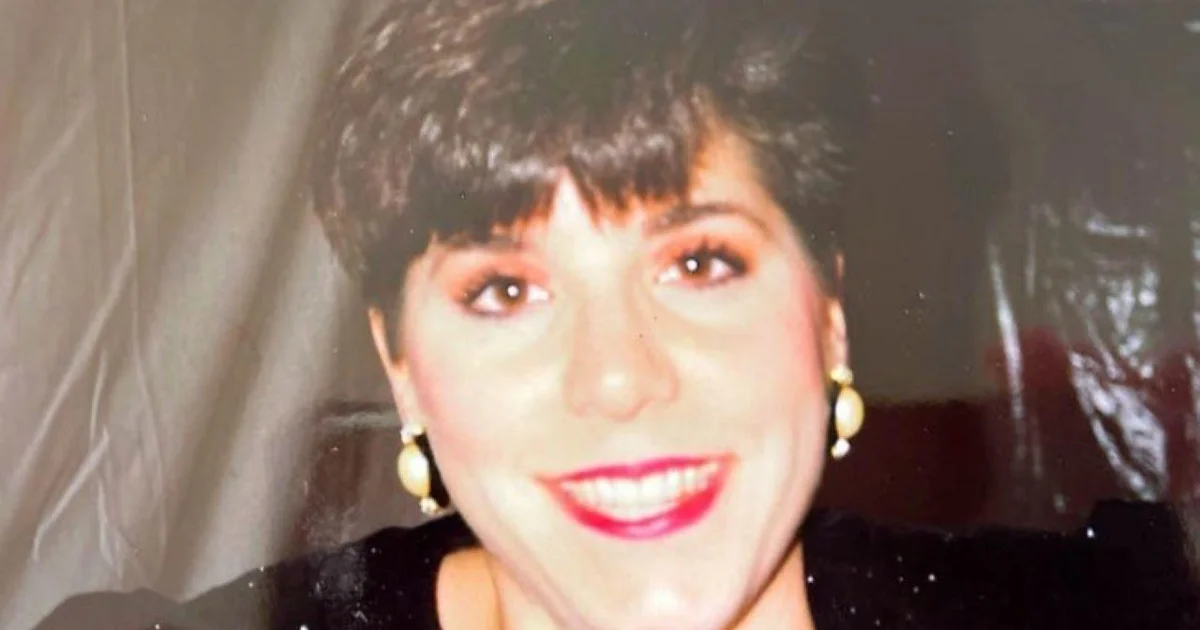
In a shocking twist to a 1995 Texas cold case, Clayton Foreman was found guilty of murdering Mary Catherine Edwards, a schoolteacher who was a bridesmaid at his wedding. The case was solved using advanced DNA genealogy techniques, which linked Foreman to the crime scene. Despite his denials, DNA evidence confirmed his involvement, leading to his arrest and conviction nearly 30 years after the murder. The investigation revealed Foreman's history of violence and deception, ultimately bringing justice for Edwards and closure for her family and friends.