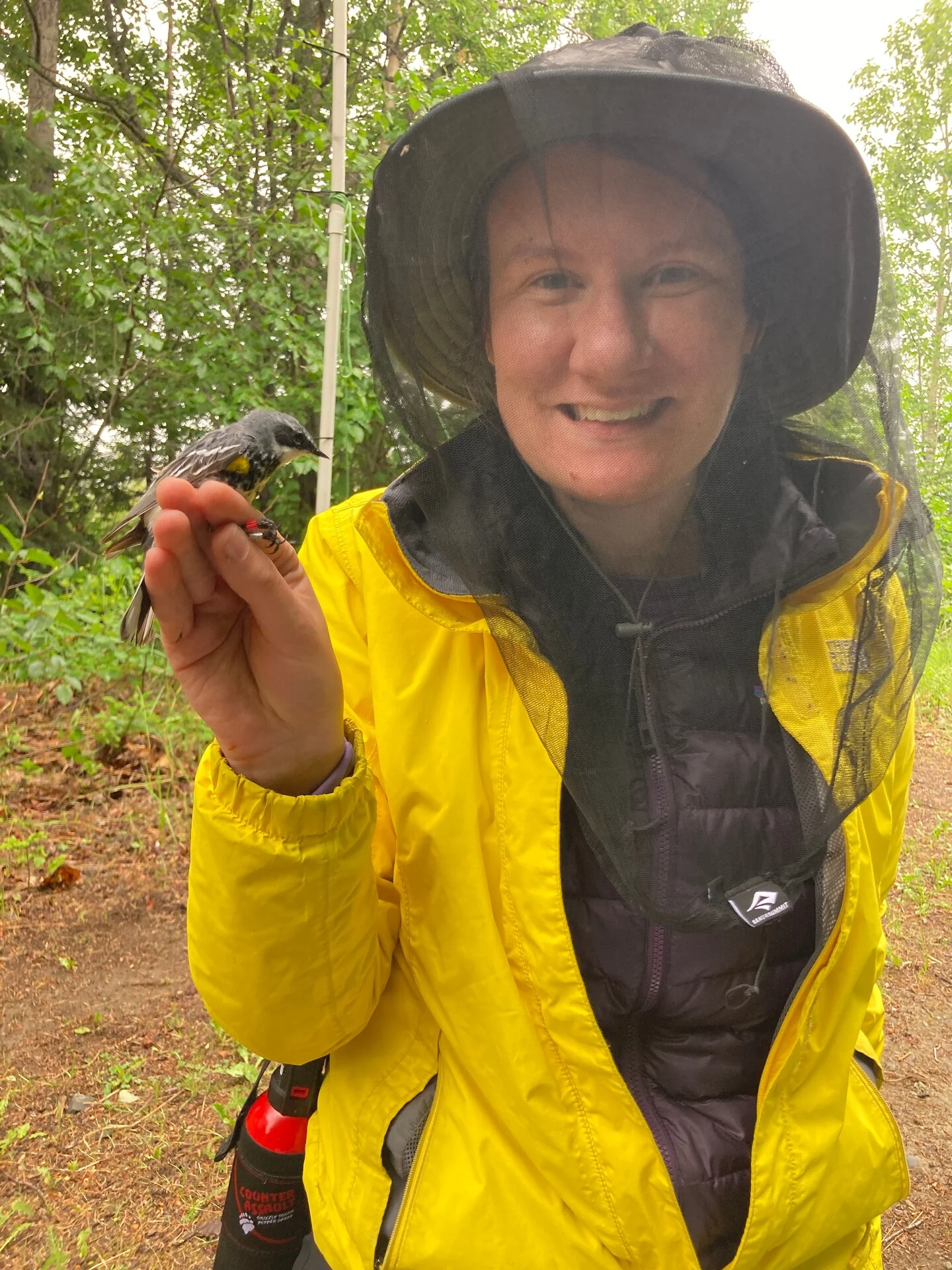
Tiny backpacks uncover epic, circuitous migrations of small songbirds
Researchers used ultralight multisensor geolocator backpacks on Alaska-bred Myrtle warblers to map their migrations, revealing a 6,800‑mile round trip that travels east across Canada before veering south to the Gulf Coast—longer and more circuitous than expected. Barometric data, paired with light data and weather modeling (GeoPressureR), yields more precise locations and flight altitudes, helping identify key stopover and wintering sites and informing conservation and collision-risk assessments. The findings echo glacial-era range expansion and may be genetically encoded, with future work planned to tag birds on California wintering grounds to pin down breeding origins.