Tag

Geothermal Heat

All articles tagged with #geothermal heat

Antarctica's Lake Vostok: A 15-Million-Year Liquid World Beneath Four Kilometers of Ice
science27 days ago

Antarctica's Lake Vostok: A 15-Million-Year Liquid World Beneath Four Kilometers of Ice

Beneath East Antarctica’s ice sheet, Lake Vostok—a lake roughly the size of Lake Ontario under about four kilometers of ice—has remained liquid for about 15 million years due to insulation, a pressure-lowered melting point, and continuous geothermal heat flux, driving circulation and accretion ice formation; evidence hints at microbial life, highlighting a unique, isolated habitat hidden from sunlight.
Antarctica's Hidden Lake: How Lake Vostok Stays Liquid Beneath Four Kilometers of Ice
science28 days ago

Antarctica's Hidden Lake: How Lake Vostok Stays Liquid Beneath Four Kilometers of Ice

Beneath roughly four kilometres of Antarctic ice at Vostok Station, Lake Vostok—about the size of Lake Ontario—remains liquid thanks to insulation by the ice, a pressure-lowered melting point, and a steady geothermal heat flux that keeps the basal boundary near the melting point. The ice’s slope creates zones of melting and freezing, driving circulation and a slow exchange with accretion ice at the bottom. The lake has likely stayed isolated for about 15 million years from sunlight and direct atmosphere, though the water itself is mobile and the exact ages of water or material differ; while microbes have been detected in accretion ice, clean evidence from the main water column is hampered by drilling contamination, so a robust biological census remains elusive.

Frozen in Time: Ancient Landscape Unearthed Under Antarctic Ice
environment2 years ago

Frozen in Time: Ancient Landscape Unearthed Under Antarctic Ice

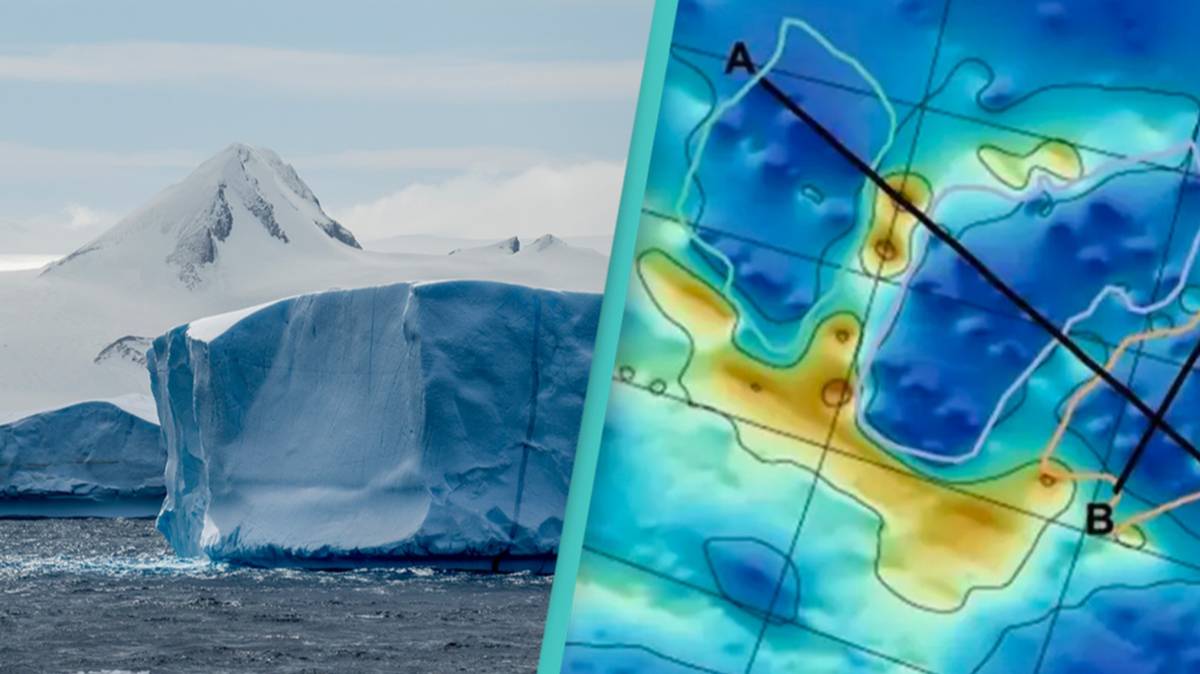
A hidden landscape larger than Belgium, discovered under layers of thick ice in East Antarctica, could potentially be exposed if the ice caps continue to melt. Recent research has found that the Denman and Scott Glaciers in East Antarctica are experiencing an acceleration of ice melting, which could contribute up to five feet to rising sea levels. The study also revealed the presence of long rivers of freshwater flowing from inside the ice sheets towards the coast due to geothermal heat. This freshwater, when thrown into the ocean, could draw warm ocean water closer to the ice, accelerating the melting process. Scientists warn that the potential melting of this hidden landscape could have dangerous consequences and may lead to underestimating Antarctica's contribution to global sea level rise.