Tag

Geran 4

All articles tagged with #geran 4

Jet-Powered Drone Narrowly Missed Zelenskyy’s Moldova Flight, NATO Scrambles
world1 month ago

Jet-Powered Drone Narrowly Missed Zelenskyy’s Moldova Flight, NATO Scrambles

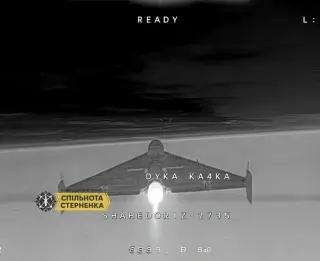
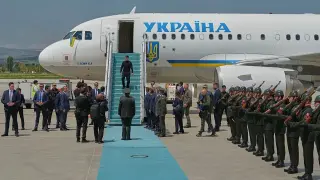
Zelenskyy’s Chișinău departure for Oslo was delayed after Moldova detected a drone in its airspace; the drone crossed into Romanian airspace and was monitored by NATO jets, then crashed near Mihăilenii Vechi after Moldova lifted restrictions around 5:20 pm, with Zelenskyy taking off about 5:57 pm. Ukrainian open-source sources identified the drone as a Geran-4, part of Russia’s jet-powered drone fleet, illustrating the growing use of fast drones that are harder to intercept and increasing pressure on Ukrainian air defenses.
Jet-Powered Geran Drones Cruise at 7 KM to Outsmart Air Defenses
technology1 month ago

Jet-Powered Geran Drones Cruise at 7 KM to Outsmart Air Defenses

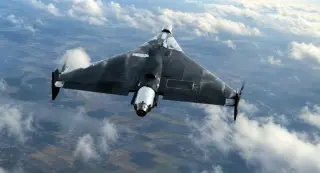
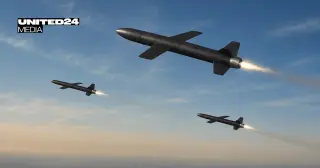
Russian jet-powered Geran-4 and Geran-5 drones are increasingly flown at high cruise altitudes around 7 km to penetrate Ukrainian air defenses, shifting from their traditional low-altitude approach. This high-altitude profile makes them visible to radars and places them beyond the reach of many short- and mid-range systems (e.g., Gepard up to ~3.5 km, Skyranger 35 up to ~4 km, Stinger ~3.5 km, Piorun ~4 km, Mistral ~6 km), while engaging at 7 km would require longer-range options such as Buk/M-variants or IRIS-T SLM, or fighter aircraft, which are costly and limited in missiles. The piece highlights the economic and strategic challenges of countering such targets and suggests that defenses may need to rely more on higher-end SAMs or air superiority assets.

Russia ramps up jet-powered Geran drones to thousands per month
war-in-ukraine1 month ago

Russia ramps up jet-powered Geran drones to thousands per month

Russia has shifted from early jet drone tests to full-scale serial production of Geran-4 and Geran-5, reportedly reaching about 3,000 units per month by August 2026 as part of a sustained long‑range drone campaign against Kyiv. The transition took roughly two and a half years, with drones increasingly resembling cruise missiles and using imported turbojet engines.

Russia's Turbojet Shahed Attacks Jump Fivefold in July
world1 month ago

Russia's Turbojet Shahed Attacks Jump Fivefold in July

Russia dramatically increased its use of jet-powered Shahed drones (Geran-3 and Geran-4) in July, rising about fivefold from June and signaling a ramp-up in turbojet drone production that flies higher, faster, and is harder to intercept. Ukrainian officials say jet-powered Shaheds now contribute to a large share of long-range attacks, with reports of hundreds of drones in short periods and expectations of continued August increases, prompting Kyiv to push interceptor development.

Jet-Powered Drone Blitz: Russia's Four-Day, 1,500-Drone Wave Targets Ukraine
world1 month ago

Jet-Powered Drone Blitz: Russia's Four-Day, 1,500-Drone Wave Targets Ukraine

Over four days, Russia fired about 1,500 drones into Ukraine, roughly 800 of them jet-powered Shahed variants (Geran‑4/5) traveling at 200–250 mph, making them harder to intercept and prompting daytime air alerts; a Geran‑4 strike hit a Kyiv-area ammunition depot killing 38, as Kyiv and its allies race to develop faster interceptors to counter the jet-powered threat.

Russia bets on 500-km/h Geran-4 jets to outpace Kyiv’s cheap interceptors
world4 months ago

Russia bets on 500-km/h Geran-4 jets to outpace Kyiv’s cheap interceptors

Russia is expanding its jet-powered Geran-4 drones, capable of about 400–500 km/h, to outpace Ukraine’s low-cost interceptors as Kyiv’s defenses improve. Ukrainian officials say interceptor drones are now downing roughly half of incoming Shahed-type drones (up from about 10% in winter), a development defense adviser Beskrestnov says has raised the kill rate fivefold and altered the cost-benefit calculations of Russia’s long-range campaign. Ukraine is also scaling up inexpensive interceptors and domestic drones, while Russia’s drone output grows—relying on imported Chinese components—raising questions about how the balance between speed and volume will play out through 2026.