
Tag

Giant Impacts

All articles tagged with #giant impacts

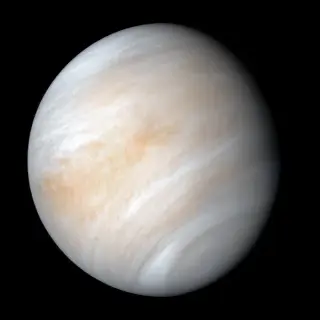
Venus Moon Mystery Solved by Spin and Tides, Not a Second Catastrophe
planetary-science24 days ago

Venus Moon Mystery Solved by Spin and Tides, Not a Second Catastrophe

A new study shows Venus’s moonless state can arise from normal tidal evolution after a single giant impact, not a later catastrophe. Whether a moon could survive depends on Venus’s early spin: a fast spin (day <12 hours) could allow a moon to last billions of years; a slower spin would drag it inward and tear it apart within tens of millions to a few billion years. Different interior dissipation models converge for slow spins but differ for fast spins with massive moons. Debris disks from impacts tend to either fall back or place any moon at the tidal survival boundary. Thus Venus-like exoplanets may generally struggle to retain large moons, with climate implications.
"The Influence of Giant Impacts on Solar System Planet Formation"
astronomy2 years ago

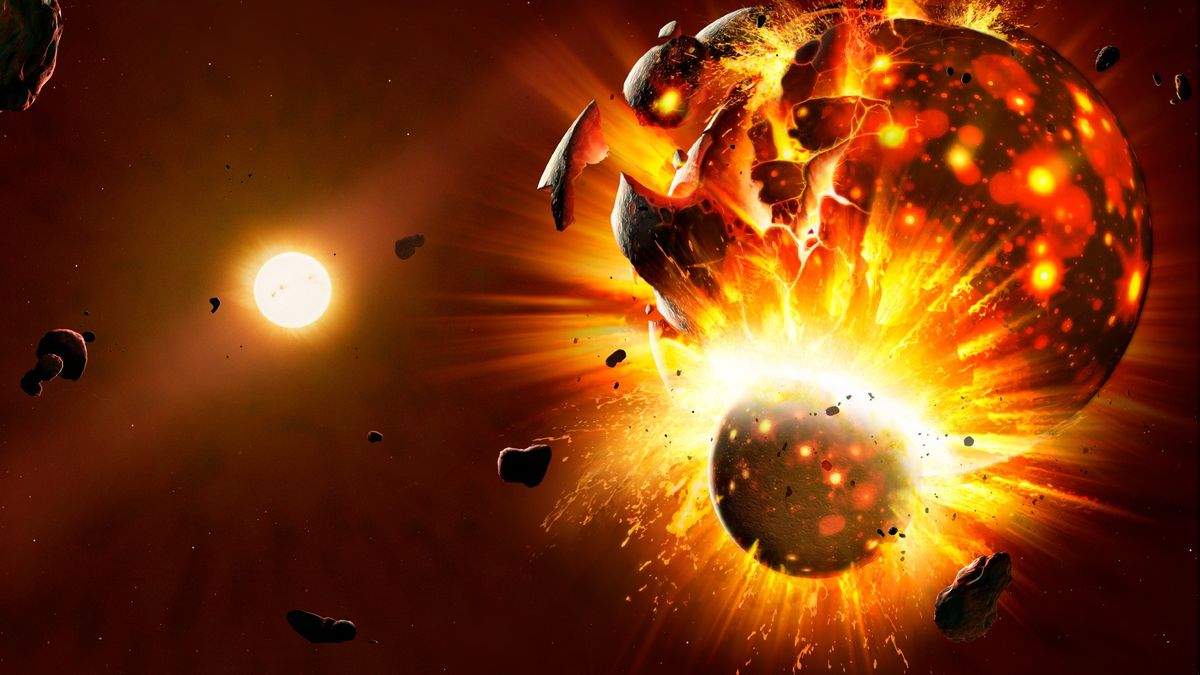
"The Influence of Giant Impacts on Solar System Planet Formation"

Giant impacts play a crucial role in the formation of planets in the solar system, from the initial collision of planetesimals to the later stage of protoplanets merging. These impacts can reshape planets and affect their habitability, as seen in the formation of Earth's moon and the tilt of Uranus. Understanding the impact of giant collisions is important for comprehending planetary diversity and the search for habitable worlds beyond our solar system.

"Unveiling a Denser-Than-Steel Neptune-sized Exoplanet: Evidence of Catastrophic Collision?"
astronomy3 years ago

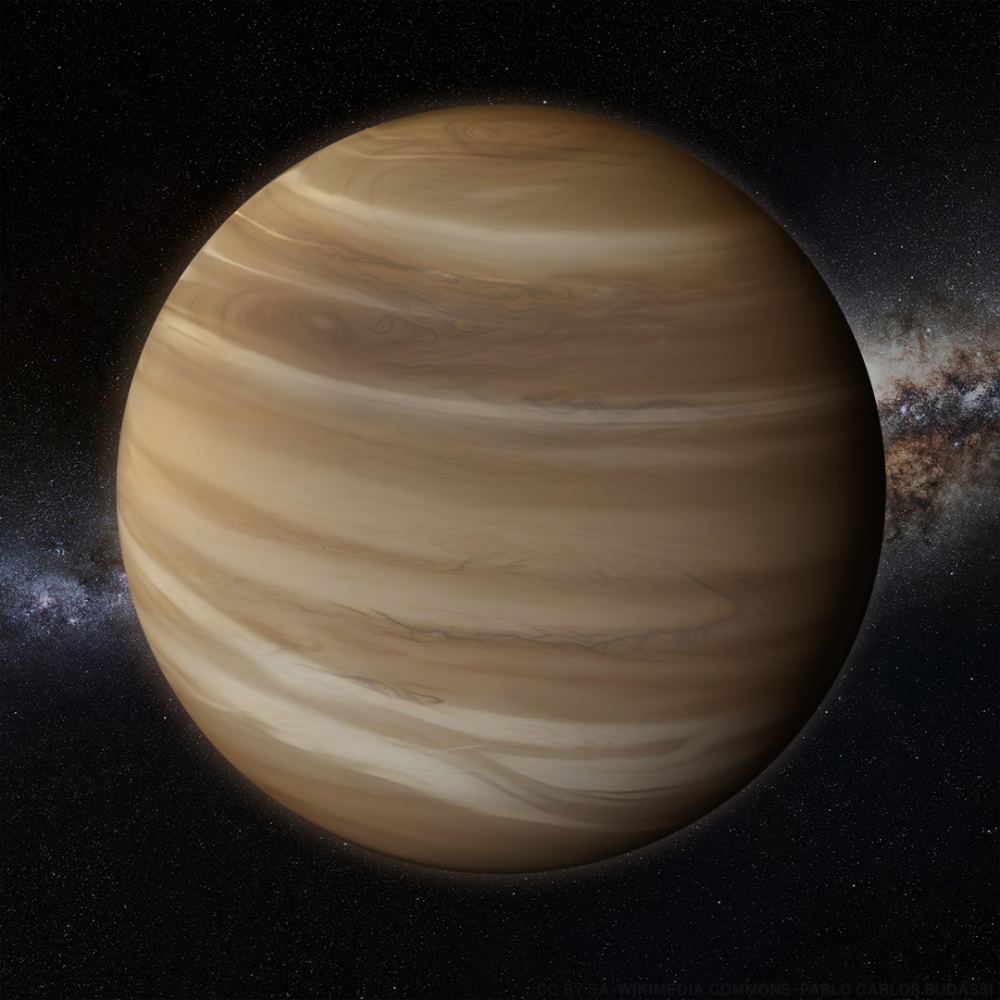
"Unveiling a Denser-Than-Steel Neptune-sized Exoplanet: Evidence of Catastrophic Collision?"

Scientists have discovered an exoplanet, TOI-1538b, that is denser than steel and poses a challenge to planetary formation theories. The planet's density suggests that it may have formed through multiple catastrophic collisions, which removed lighter atmospheric gases and water, leaving behind a rocky core. This finding provides new evidence for the prevalence of giant impacts in the formation of planets throughout the galaxy and helps connect theories for planet formation based on our solar system to the formation of exoplanets. Further observations of TOI-1538b will provide insights into its atmosphere and composition.