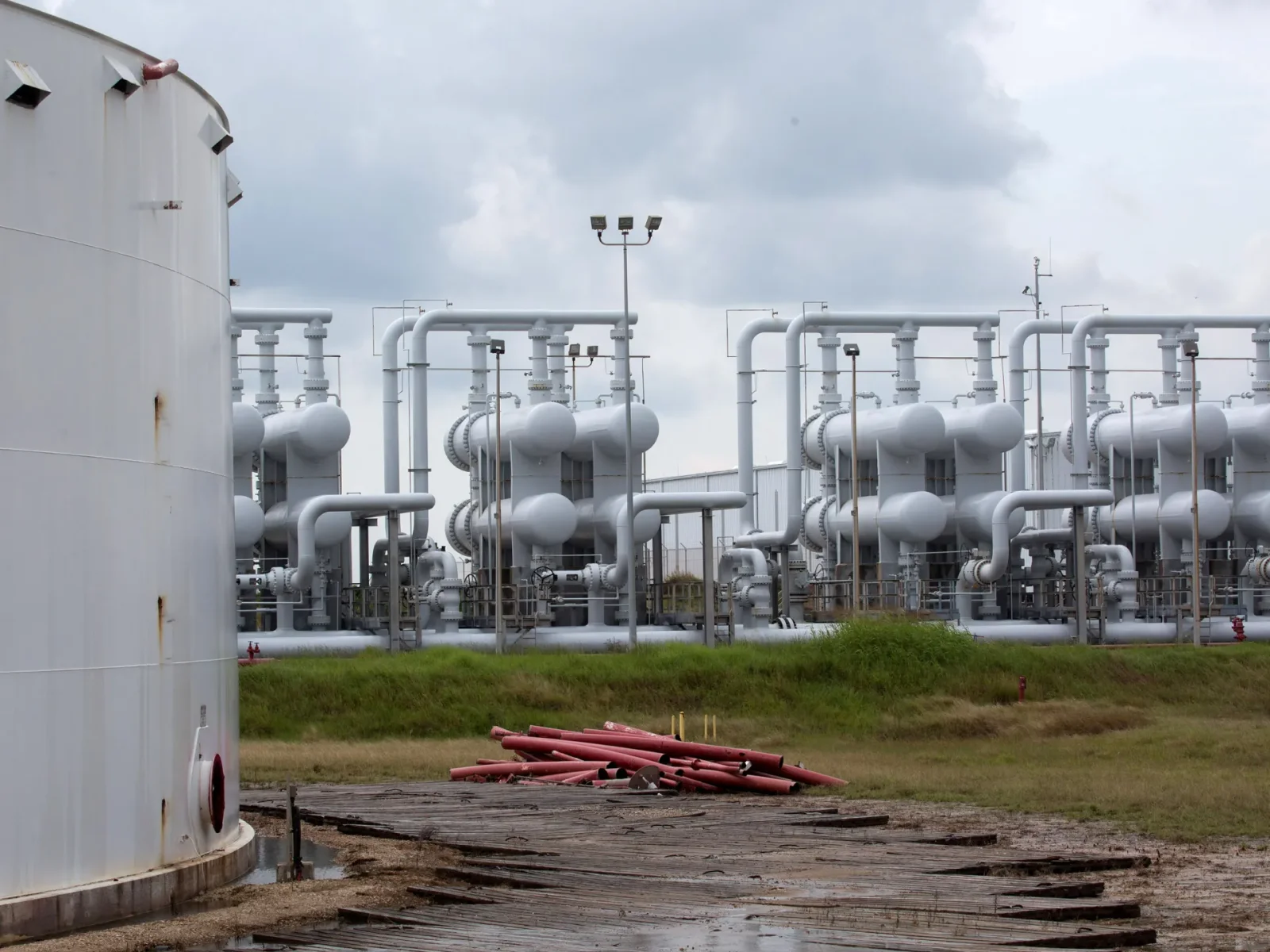
Russian Baltic ports Primorsk and Ust-Luga halted crude oil and oil products loadings after large Ukrainian drone strikes caused fires and heavy smoke; no casualties were reported, though exports had been disrupted earlier, as authorities monitor the situation and markets brace for potential oil-price volatility.
Amid Iran‑led disruption of the Strait of Hormuz, countries are tapping/holding large oil stocks. The IEA so far coordinated a record 400 million-barrel draw from member emergency stocks, while the US SPR sits around 415 million barrels (with about 172 million slated for release this year). Japan holds roughly 470 million barrels; the UK about 38 crude and 30 refined; Germany about 110 crude and 67 refined; France around 120 total (with SAGESS), Spain about 150 total (Spain released ~11.5 million), and Italy about 76. China continues to hold the world’s largest non‑IEA stockpile, with onshore inventories around 1.13 billion barrels as of 2025. US reserves provide roughly 200 days of net imports. The shift comes as Brent prices surge above $100/bbl from about $65 pre‑war, reflecting ongoing supply concerns.
Mike Waltz says the Trump administration could temporarily lift sanctions on Iranian oil already at sea to boost supply and blunt rising prices, while keeping bank sanctions in place and redirecting shipments away from Iran’s traditional buyers as part of a broader strategy to counter Tehran’s energy-supply–weaponization.