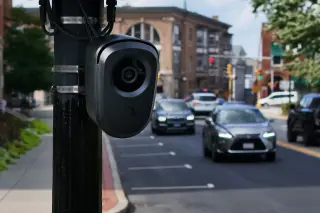
A YouGov survey finds increasing opposition to AI-powered license-plate readers used by police, with many Americans worried about invasive monitoring and data misuse, even as proponents say the cameras aid investigations; the backlash is shaping debates and local decisions on surveillance technology.
The Washington Post reports that attacks on Ecuadorian fishing boats near the Galápagos were carried out under a covert CIA program, with a surveillance plane traced to El Salvador and drone strikes, amid limited publicly acknowledged details and officials denying knowledge of involvement; survivors describe drone assaults and captives, and eight fishermen are missing or presumed dead.
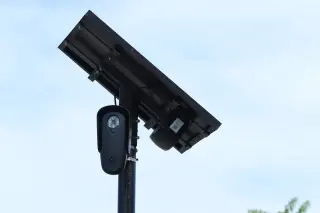
Flock, a major license-plate reader network, announced sweeping changes to curb officer abuse of its cameras: officers must label every search with a criminal case number and the company will automatically review all searches for abnormal activity; the firm is also cutting data retention and giving departments more control over data sharing, in response to The Washington Post investigation that found numerous misuses by officers across hundreds of agencies.
AP News reports that officials sought phone records of New York Times journalists and their relatives to unmask sources, highlighting tensions between leak investigations and press freedom.
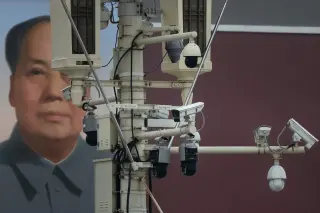
The United States and Five Eyes partners issued a rare joint warning that China is using LinkedIn and other job platforms to pry secret information from security professionals worldwide, including via fake profiles and targeted offers designed to recruit individuals with access to classified data.
In Troy, New York, residents and city leaders are locked in a heated dispute over AI-assisted license-plate readers from Flock Safety, raising privacy concerns and triggering protests. The confrontation between the mayor and the council escalated to a state of emergency to manage the cameras, highlighting a broader national debate over surveillance versus public safety.
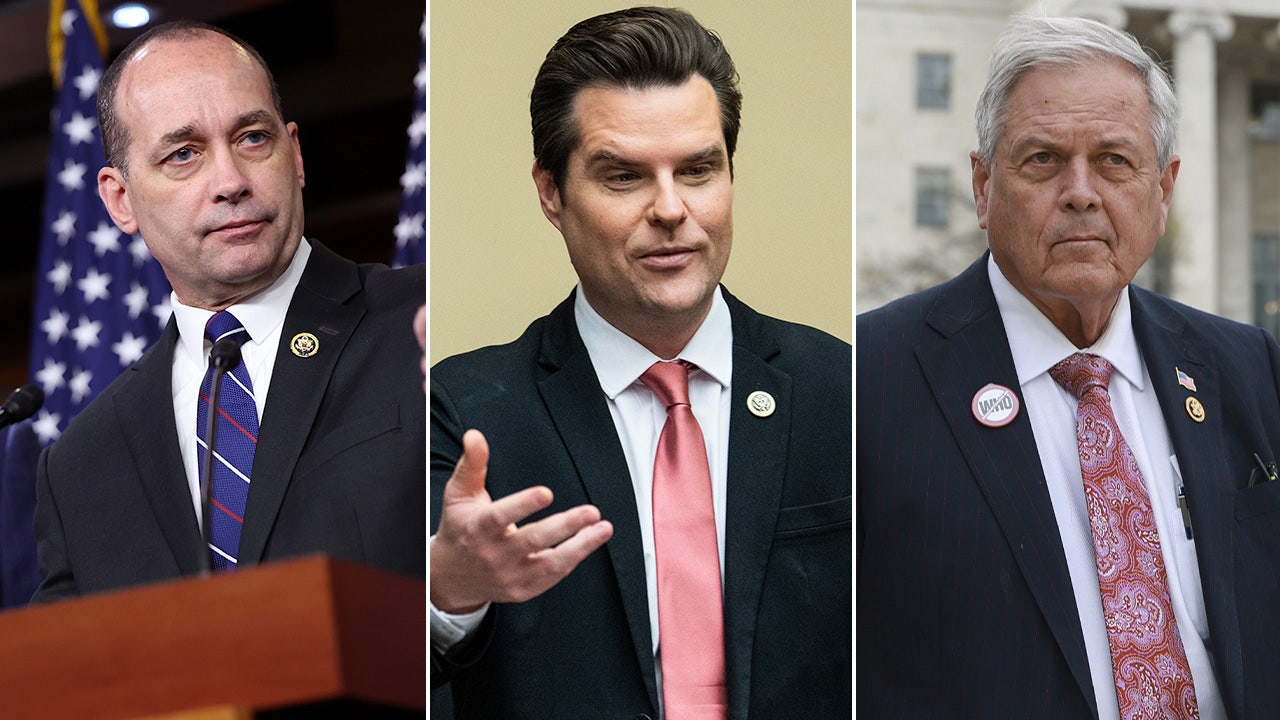
President Trump urged extending the foreign surveillance program (Section 702) as bipartisan privacy concerns loom. Some lawmakers seek stronger warrants and oversight, while others, including House Republicans like Rep. Crawford, back an 18‑month renewal to empower intelligence agencies. With Monday’s expiration looming, the House is viewed as pivotal for any reforms, and Trump’s backing may make cross‑party changes harder to achieve as civil liberties advocates warn Americans could be swept up in surveillance.
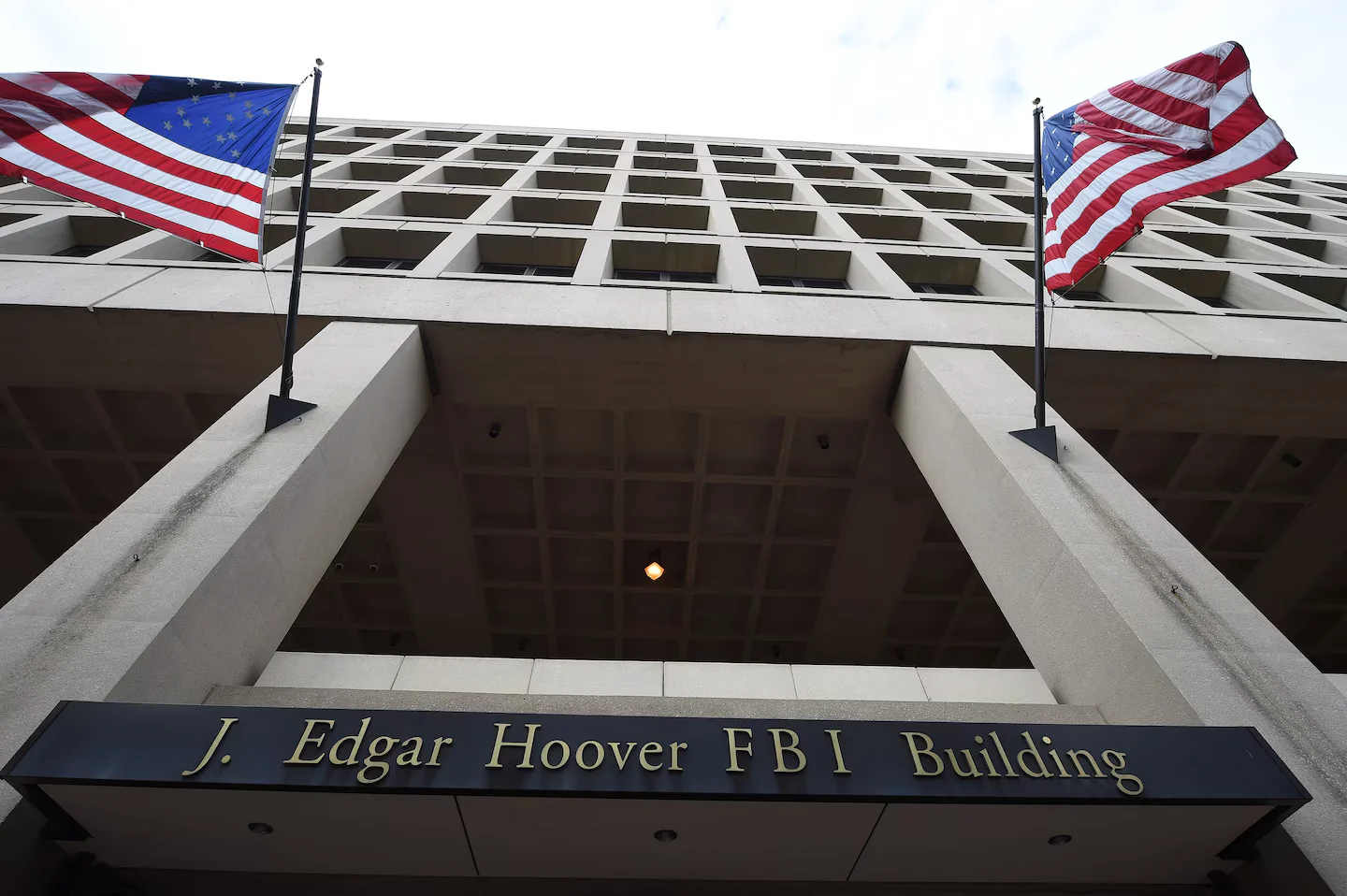
The FBI searched Washington Post reporter Hannah Natanson’s home and seized devices in a case tied to a government contractor, triggering immediate newsroom responses as journalists bolster security measures, reassess how they safeguard confidential sources, and call for stronger journalistic protections amid concerns that the move signals an alarming expansion of government intrusion into reporting.
The article discusses concerns and debates around the introduction of a Digital ID in the UK, highlighting fears of increased government authority, privacy issues, and comparisons with digital ID systems in Estonia and Scandinavia. It emphasizes mistrust in government motives, potential for abuse, and the importance of trust and security in digital identity systems.
Palantir's CEO Alexander Karp and Nicholas Zamiska call on Silicon Valley to find its moral purpose, criticizing the focus on consumer products and urging tech firms to collaborate more with government on national challenges, while reflecting on the ethical dilemmas of their work in surveillance and power. They advocate for a 'technological republic' driven by strong public-private partnerships and a shared national purpose, but their ideas face skepticism about reliance on voluntary virtue and the need for regulation.
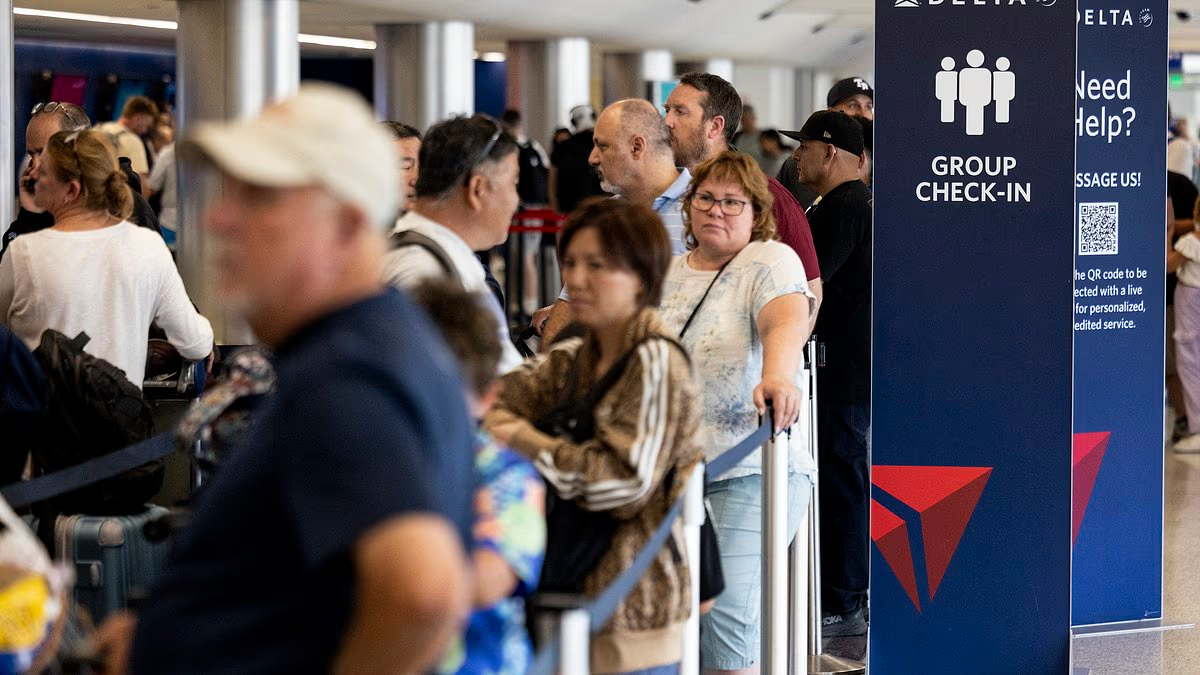
Major US airlines including Delta, American, and United sold passenger flight data through their owned broker ARC to government agencies like CBP and ICE, raising concerns over privacy and oversight as sensitive travel information is shared without clear legal safeguards.
Spyware makers are reportedly using online ads to infect specific targets with spyware, allowing governments to conduct surveillance. Companies like Intellexa and Insanet have developed ad-based spyware infection systems capable of locating and infecting individuals through online ads. Ad blockers can be an effective defense against malvertising and ad-based malware, preventing the ads from loading in web browsers and enhancing privacy by blocking tracking code. Security experts recommend using ad blockers as a safety precaution against government spyware and malvertising attacks.
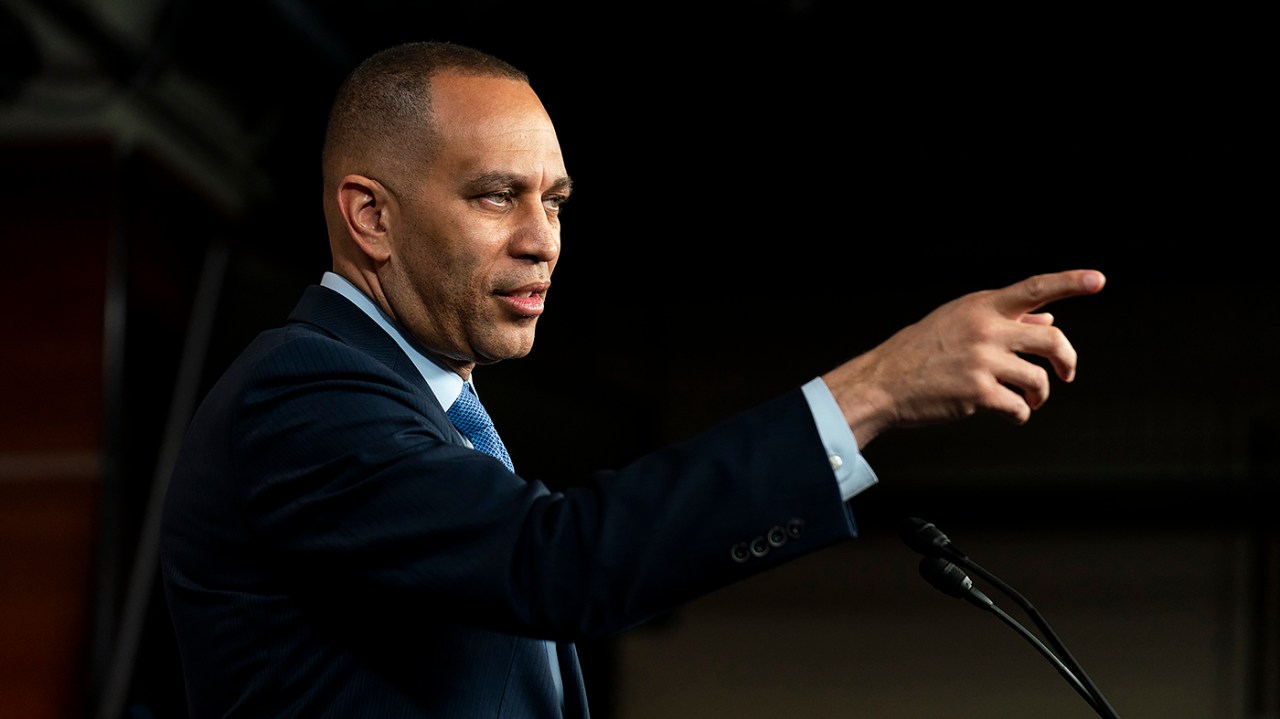
House Minority Leader Hakeem Jeffries stated that Democrats will not assist GOP leaders in advancing legislation extending the government’s surveillance powers, effectively blocking the FISA bill from receiving a floor vote. Speaker Mike Johnson is exploring options to break the impasse, including potentially shrinking the Section 702 reauthorization window from five years to two to appease hard-line critics.
Conservative House Republicans are threatening to derail the renewal of the FISA Section 702 surveillance program over opposition to additional warrant requirements for collecting data of American citizens, posing a major test for House Speaker Mike Johnson's slim majority. The fight highlights divisions within the GOP, with some lawmakers expressing concerns about potential abuse of Americans' private communications. The House is set to consider a compromise bill aimed at curbing abuse of Section 702-collected data, but conservative opposition to the bill's scope and safeguards could jeopardize its passage.
The price of zero-day exploits, which are hacking tools that exploit unknown vulnerabilities in software, has skyrocketed in recent years as companies like Apple, Google, and Microsoft make it harder to hack their devices and apps. Crowdfense, a startup, is now offering millions of dollars for zero-days to break into iPhones, Android phones, Chrome, Safari, WhatsApp, and iMessage. This increase in prices reflects the growing difficulty in exploiting vulnerabilities, with experts noting that it now requires a team of researchers. The use of zero-days in law enforcement operations and alleged targeting of human rights dissidents and journalists has raised concerns, leading some companies to pledge to respect export controls to limit potential abuses from their customers.