
privacy2.68 min read
Channel 5 hands subscriber emails to Hunter Biden, prompting privacy backlash
1 month ago•Source: 404 Media

The latest privacy stories, each synthesized from multiple sources with added background and context.

An investigation into LG smart TVs found extensive data collection, including plaintext transcripts of conversations, microphone input, audio from connected webcams, and network-snooping data like device discovery, location and nearby Wi‑Fi details, with some data reportedly sent to LG Ad Solutions. Vulnerabilities in webOS could allow access to locally stored audio, expanding privacy risks. The only reliable fix is to disconnect Ethernet and disable Wi‑Fi, or block the TV at the router—effectively turning the TV into a dumb display.
Lifehacker•2 months ago
404media.co•2 months ago

A WIRED opinion piece argues that AI features should default to opt-in rather than opt-out, using Meta’s controversial Instagram tagging rollout as a case study. It explains that automatic enrollment erodes user consent, highlights privacy experts’ calls for stronger defaults and regulatory safeguards (like GDPR-inspired protections), and suggests federal standards to simplify and strengthen data privacy as AI tools proliferate.

A vulnerability in Apple's Hide My Email, an iCloud+ feature that creates anonymous aliases, could reveal users’ real email addresses. 404 Media, with EasyOptOuts, verified the flaw by generating an alias and linking it to an Apple account in about five minutes. Apple reportedly knew about the issue for over a year and said fixes were applied in a system update, but the vulnerability persisted. The story also notes Apple’s shift to a new anonymized domain for these emails (such as @privaterelay.appleid.com / @private.icloud.com), a change critics say could make it easier for sites to block anonymous signups.

Smart TVs are increasingly becoming data-collection devices as a sprawling network of ad-tech vendors tracks viewers through cookies, device IDs, IPs, precise/non-precise location, and user profiles. The article catalogs hundreds of vendors with cookie lifetimes spanning from days to years, notes some vendors don’t use cookies or rely on other storage, and highlights pervasive cross-device tracking and potential privacy risks for households. Viewers may need to adjust privacy settings or limit ad tracking on their TVs to curb data collection.

The Register exposes a sprawling, cookie-heavy ad‑tech ecosystem driven by AI, listing dozens of vendors and the data they gather (IP addresses, device identifiers, precise locations, user profiles) with cookie durations spanning from days to years. While some vendors cite consent or legitimate interest, others rely on alternative storage or “no cookies,” underscoring the scale of online tracking and the resulting privacy and regulatory concerns.

The FBI reportedly retrieved incoming Signal messages from a defendant’s iPhone not by accessing the Signal app, but by scraping the device’s push notification database to capture alerts that displayed messages on the Lock Screen, even after the app was deleted. Signal users can mitigate this by enabling notification content blocking (Settings > Notification Content > No Name or Content) to prevent revealing who a message is from or what it contains; note that any app displaying lock-screen previews can create a similar vulnerability.
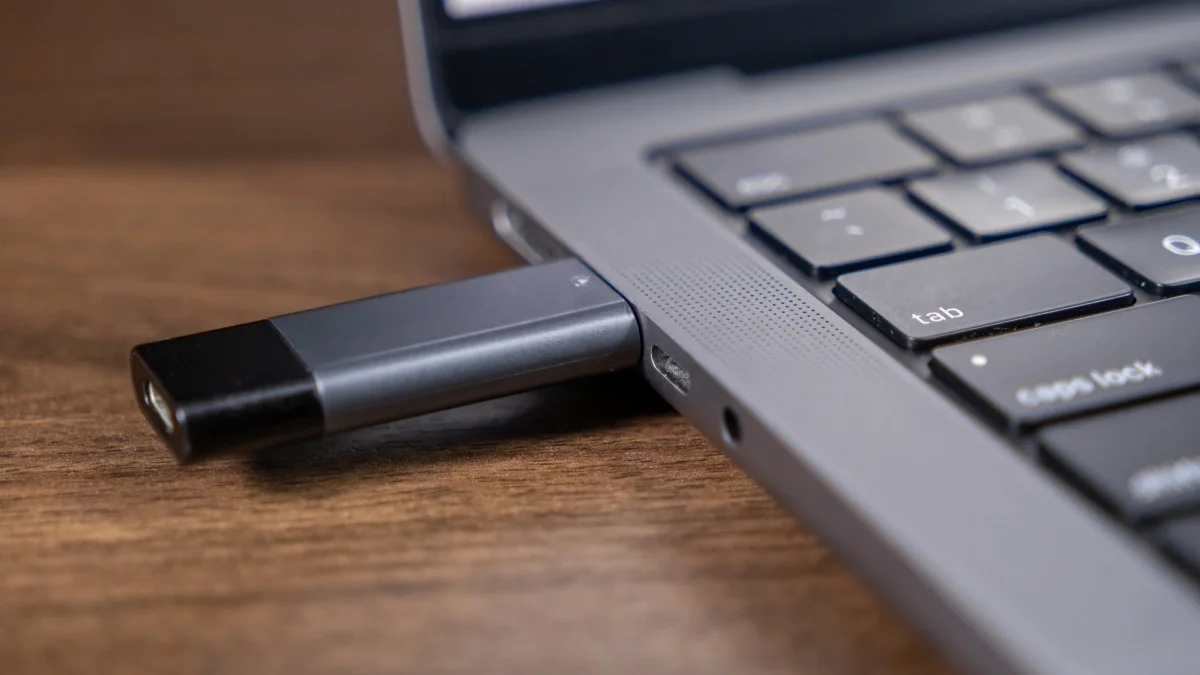
The article introduces Tails (The Amnesic Incognito Live System), a Debian-based Linux distro you can boot from a USB drive to maximize privacy by routing all activity through the Tor network. It includes built-in apps like LibreOffice, GIMP, and Inkscape, and data isn’t saved by default unless you enable Persistent Storage. It also provides steps to get started: download Tails, create a bootable USB with Rufus (Windows) or Etcher (macOS), and boot from the USB on most computers (Apple Silicon Macs aren’t fully supported yet).
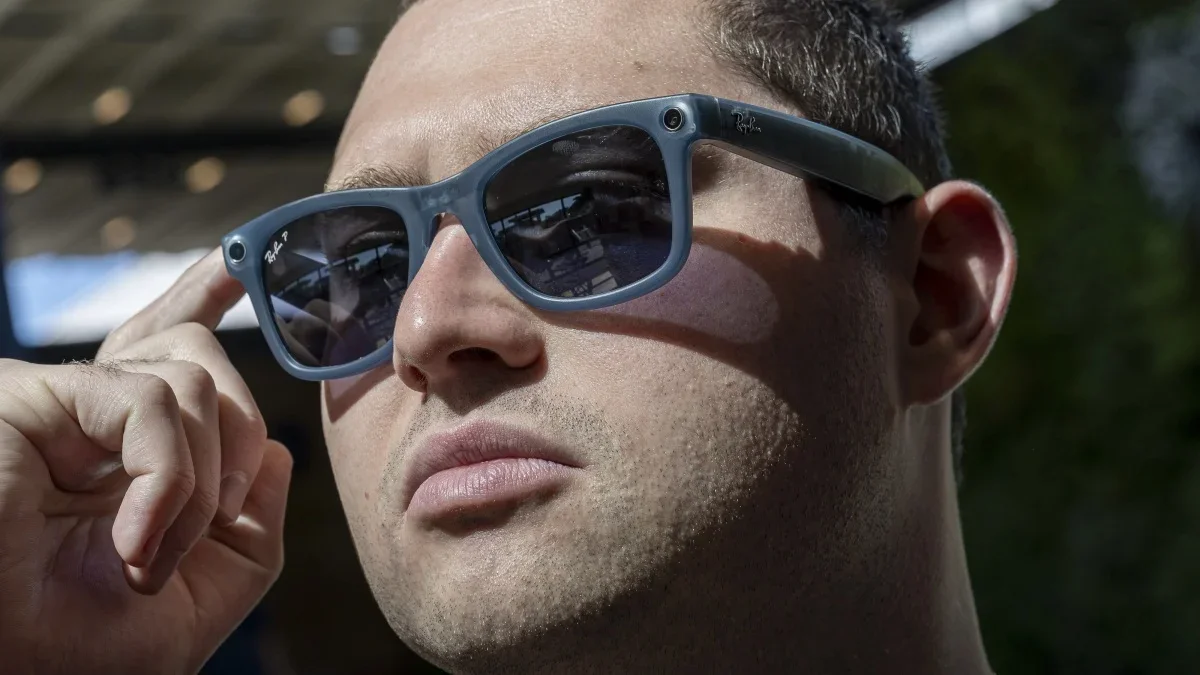
Nearby Glasses is an Android app that scans for Bluetooth Low Energy signatures from smart-glasses makers (Meta, Luxottica, Snap) and notifies you when someone wearing smart glasses is nearby; it may misidentify mixed-reality headsets as glasses, and an iOS port is in development. The piece also notes privacy concerns about inconspicuous cameras and Meta's planned Name Tag facial-recognition feature for Ray-Ban/Oakley glasses.

The Department of Homeland Security has issued hundreds of subpoenas to major social platforms to uncover identities behind anonymous accounts that criticize ICE or expose agents’ locations; DHS says the data is needed to protect officers, but civil liberties advocates warn it threatens privacy and free expression, noting many subpoenas are withdrawn before court review and the ACLU is offering legal help to affected users.

The Register compiles a sweeping inventory of third-party ad-tech vendors (TCF and others), detailing each vendor's cookie usage, durations, and data collection practices. The list shows cookie lifetimes ranging from days to multiple years, and data collected including IP addresses, device identifiers, location data, user profiles, and authentication-derived identifiers. It notes whether vendors use other storage, and whether they rely on legitimate interests or consent, with several vendors not using cookies or using alternative storage. The piece underscores how pervasive and varied online tracking is across the ad ecosystem.
Yahoo informs users about its use of cookies and personal data for site functionality, security, analytics, and personalized advertising, offering options to accept, reject, or customize privacy settings, with the ability to change preferences anytime.