

Tag

Gps Alternative

All articles tagged with #gps alternative

Xona readies a 258-satellite Pulsar network for centimeter-precision PNT from space
technology1 month ago

Xona readies a 258-satellite Pulsar network for centimeter-precision PNT from space

Xona Space Systems aims to deploy a 258-satellite Pulsar constellation in low-Earth orbit to deliver GPS-like PNT with signals up to 100 times stronger than traditional GNSS, enabling centimeter-level positioning and robust timing even indoors or in jammed areas. Six production satellites are planned for launch in Oct 2026 with commercial service starting in 2027, building on Pulsar-0’s 2025 flight and live jamming tests. The system is designed to work with existing L1/L5 receivers, and Xona is rolling out a Pulsar Verified program to onboard hardware partners, while competitors like TrustPoint pursue similar LEO-PNT efforts.
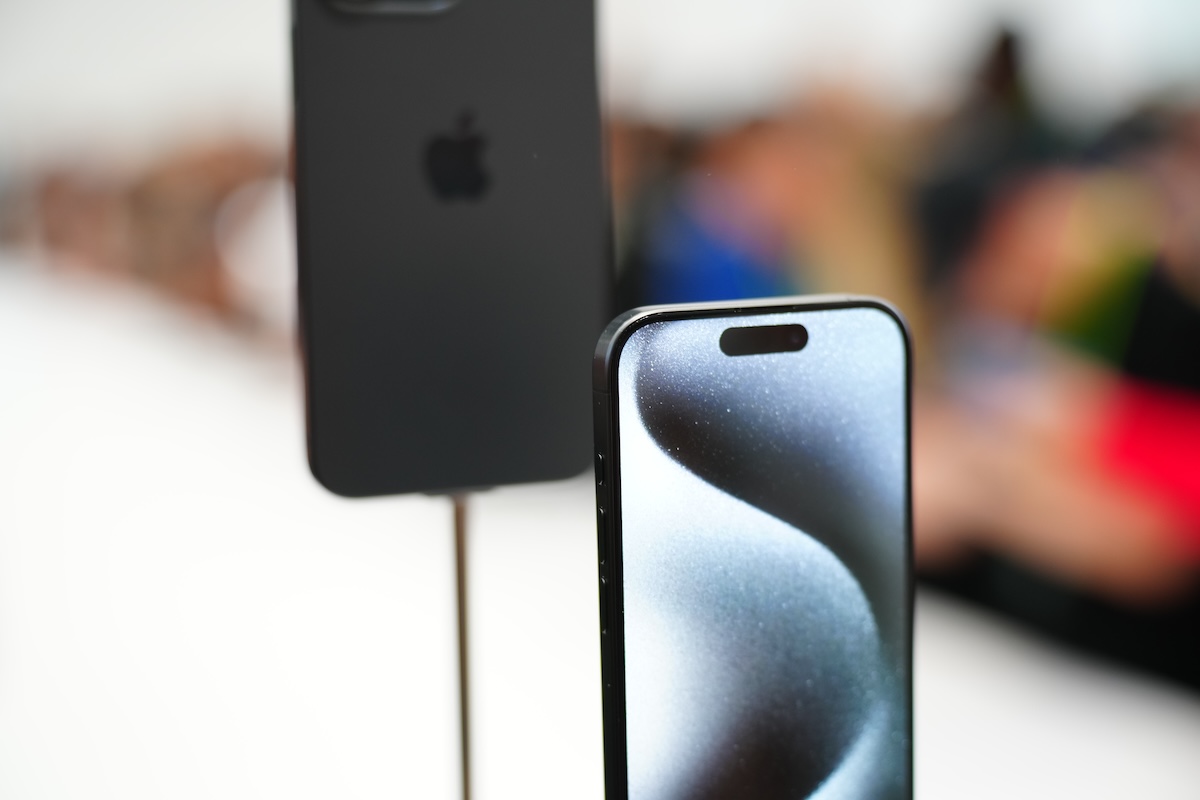
"Apple's iPhone 15 Pro Embraces India's NavIC GPS and Titanium Upgrades"
technology2 years ago

"Apple's iPhone 15 Pro Embraces India's NavIC GPS and Titanium Upgrades"

Apple has added support for India's GPS alternative, NavIC, to its iPhone 15 Pro and iPhone 15 Pro Max models, complying with India's push to adopt its home-grown navigation system. NavIC, developed by India's space research organization ISRO, provides accurate positioning and timing information over India and the surrounding region. The standard iPhone 15 and iPhone 15 Plus variants do not support NavIC. Several other smartphone models, including Xiaomi's Mi 11X and OnePlus Nord 2T, also support NavIC.

"Revolutionary Muon Technology Transcends GPS Limitations for Unprecedented Navigation"
technology3 years ago

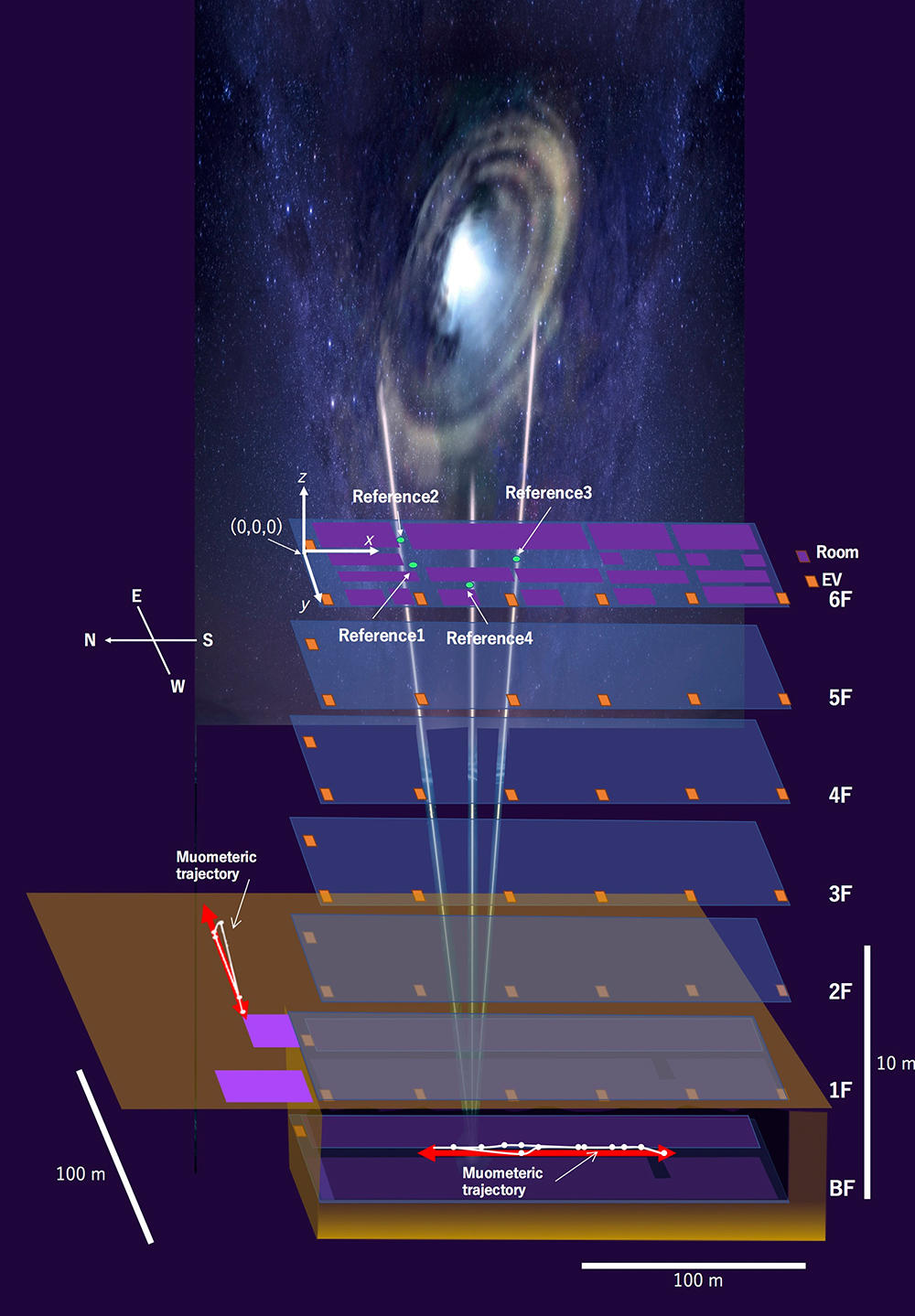
"Revolutionary Muon Technology Transcends GPS Limitations for Unprecedented Navigation"

Researchers from the University of Tokyo have developed a groundbreaking technology called MuWNS, which utilizes superfast subatomic particles known as muons to navigate underground and in aquatic environments where GPS signals are ineffective. By coordinating ground stations that detect muons with a subterranean muon-detecting receiver, the technology holds promise for applications such as search and rescue missions, monitoring underwater volcanoes, and directing autonomous vehicles. The current accuracy of MuWNS is between 2 to 25 meters, but improvements in time synchronization using chip-scale atomic clocks could enable real-time, meter-accurate navigation in the future.