
Tag

Gravitational Wave Background

All articles tagged with #gravitational wave background

Cosmic hum from black hole mergers could refine the universe’s expansion
science1 month ago

Cosmic hum from black hole mergers could refine the universe’s expansion

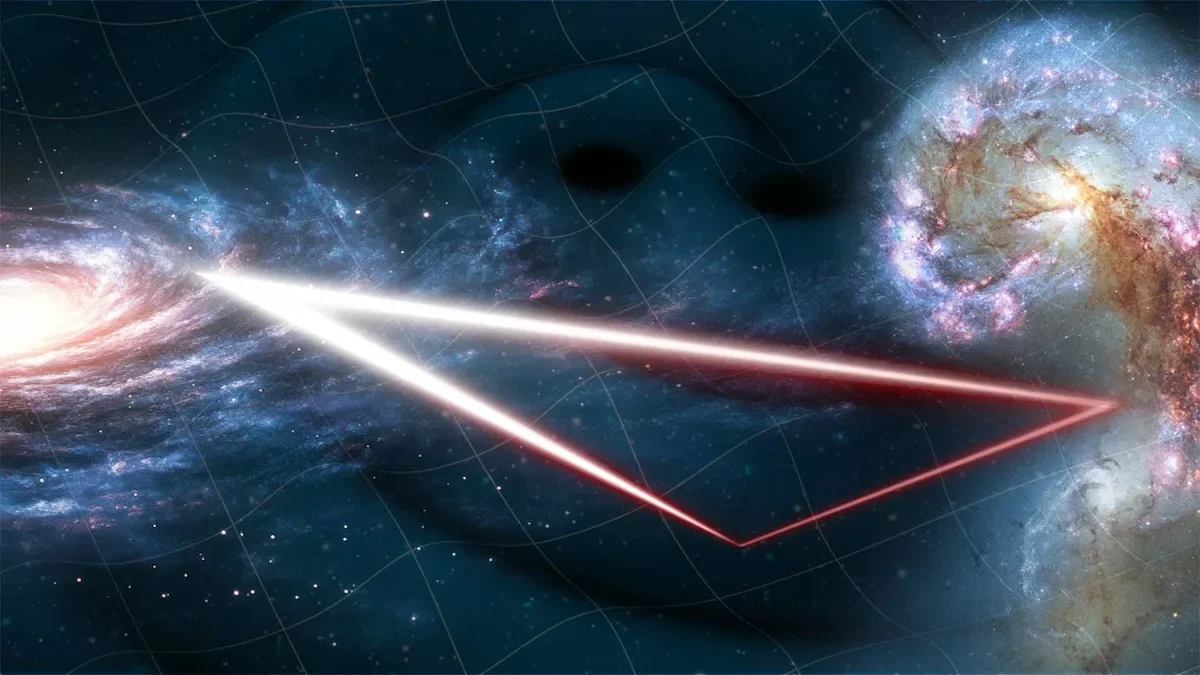
Physicists propose using the faint, unresolved gravitational-wave background from countless distant black-hole mergers as an independent way to measure the expansion rate of the universe (the Hubble constant), potentially helping resolve the Hubble tension. Even without directly detecting this background, current data already place bounds on H0; upcoming detector upgrades could turn this into a precise measurement, offering a new tool for cosmology while highlighting limitations tied to population models and large uncertainties.
Cosmic hum from black-hole mergers could recalibrate the universe’s expansion
science1 month ago

Cosmic hum from black-hole mergers could recalibrate the universe’s expansion

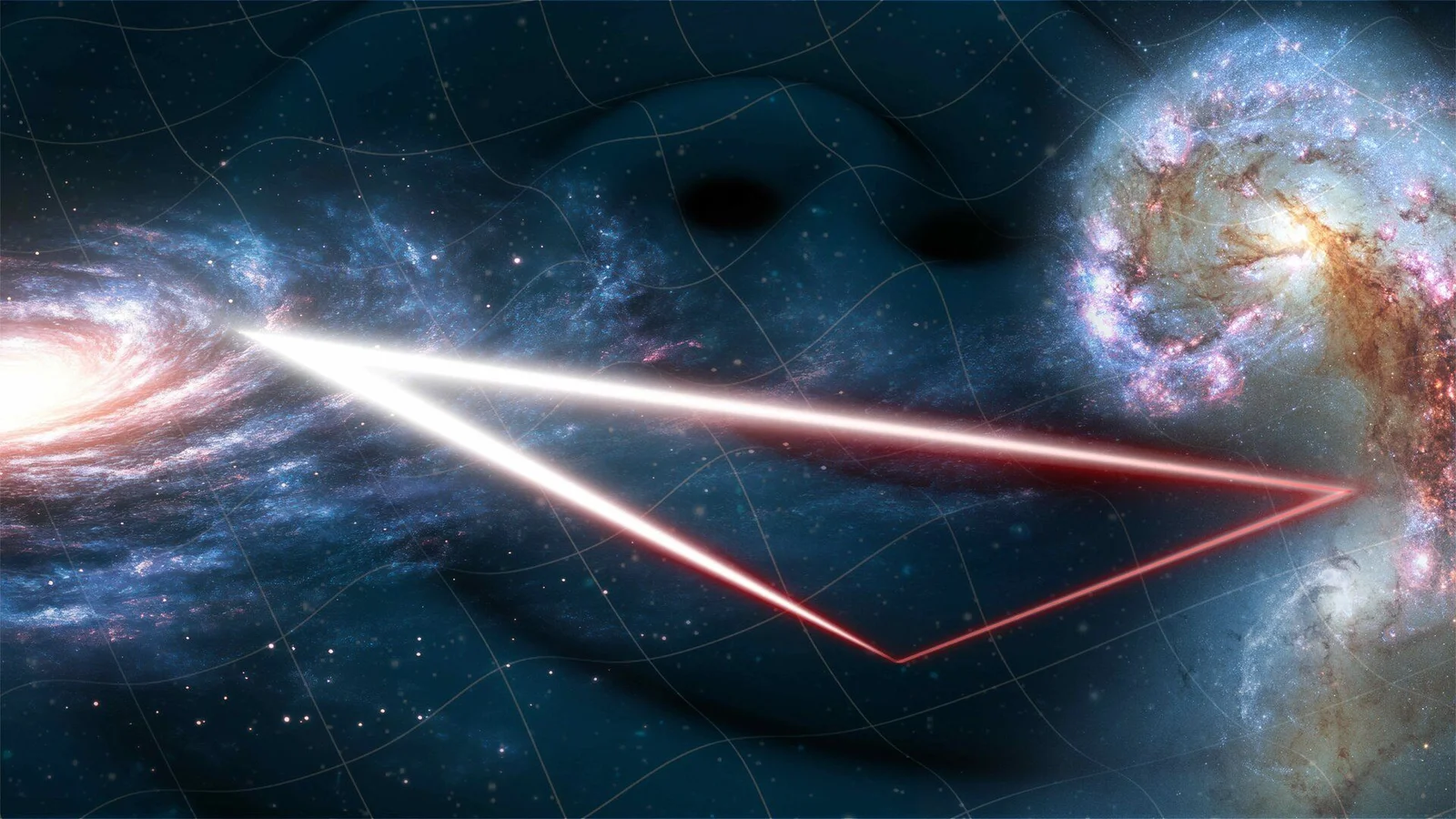
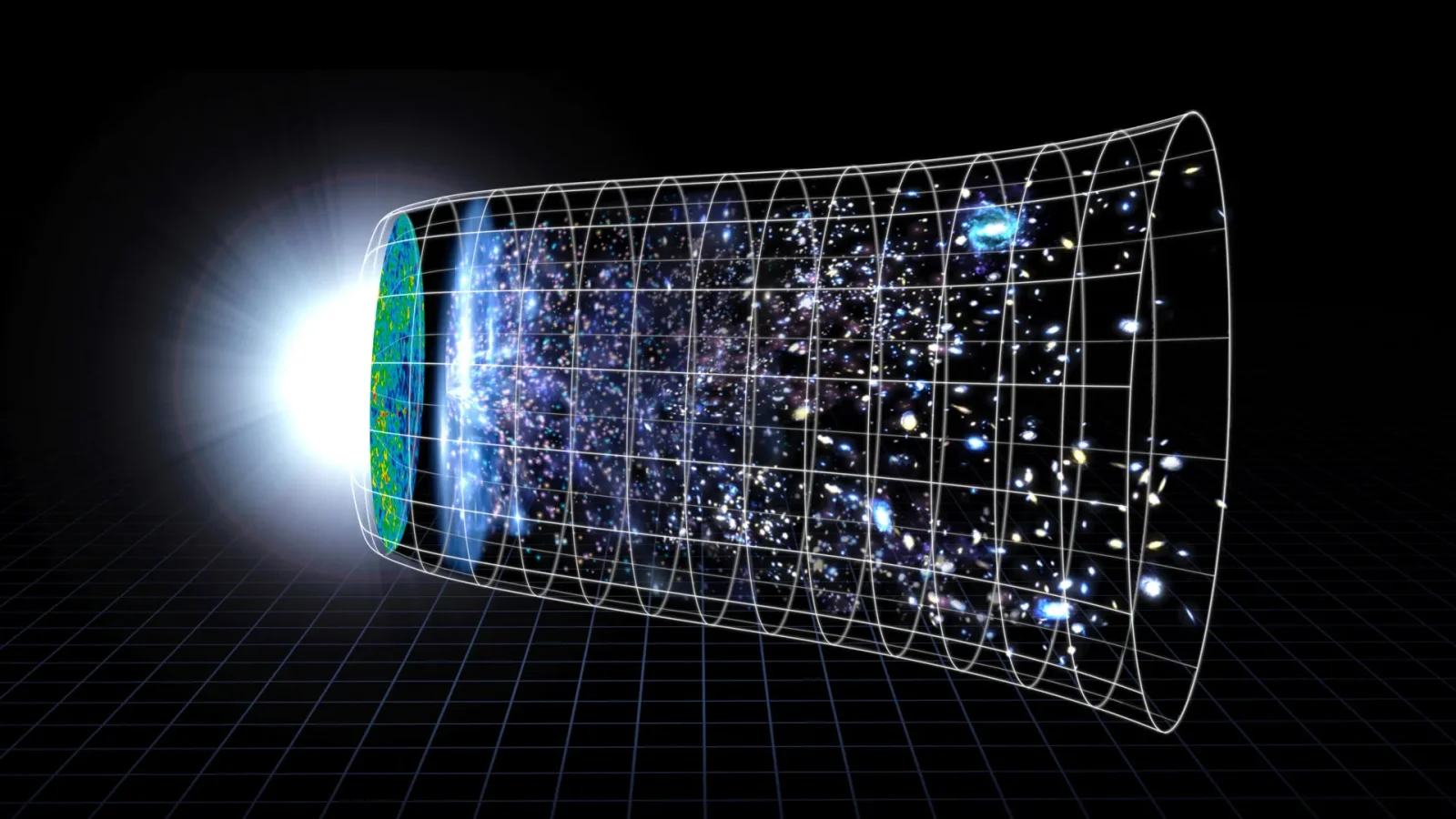
Physicists propose using the faint gravitational-wave background produced by countless distant black-hole mergers as a new, gravity-based method to measure the Hubble constant, offering an independent path to addressing the Hubble tension. Current data already constrain H0 by showing the background’s absence rules out low values; future detector upgrades could turn this into a direct measurement, potentially confirming or challenging existing cosmology without relying on electromagnetic distance ladders or the CMB.

Cosmic hum offers a new path to pin down the universe’s expansion rate
science1 month ago

Cosmic hum offers a new path to pin down the universe’s expansion rate

Researchers from the University of Illinois and University of Chicago propose the stochastic-siren method, using the gravitational-wave background from countless distant black-hole mergers to infer the Hubble constant. This independent approach can tighten expansion-rate measurements, rule out very slow cosmic expansion with current data, and become more powerful as gravitational-wave detectors improve and the background is detected, potentially helping resolve the Hubble tension.