
Tag

Hd 45166

All articles tagged with #hd 45166

"Discovery of a Rare Magnetic Star Shakes Up Astronomical Community"
astronomy3 years ago

"Discovery of a Rare Magnetic Star Shakes Up Astronomical Community"

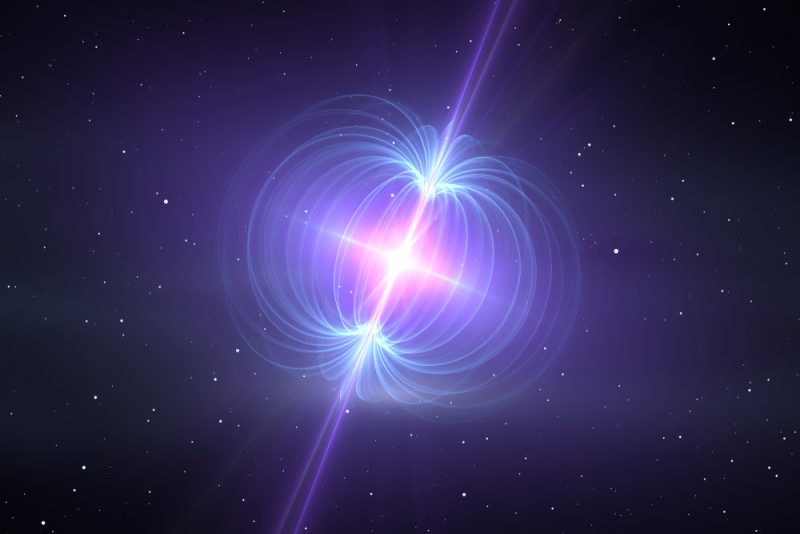
Astronomers have discovered a new type of magnetic star, HD 45166, which is believed to be the forerunner of a magnetar. Located 3,000 light years away, this giant magnetic helium star has a magnetic field of 43,000 gauss, significantly stronger than any previously observed star. The star's unique characteristics, including its formation from the merger of two medium-mass stars, have perplexed researchers. However, they now believe that HD 45166 will eventually collapse and become a magnetar, with a magnetic field strength of approximately 100 trillion gauss.
"Unveiling the Universe's Most Magnetic Star: A Bizarre Cosmic Phenomenon"
astronomy3 years ago

"Unveiling the Universe's Most Magnetic Star: A Bizarre Cosmic Phenomenon"

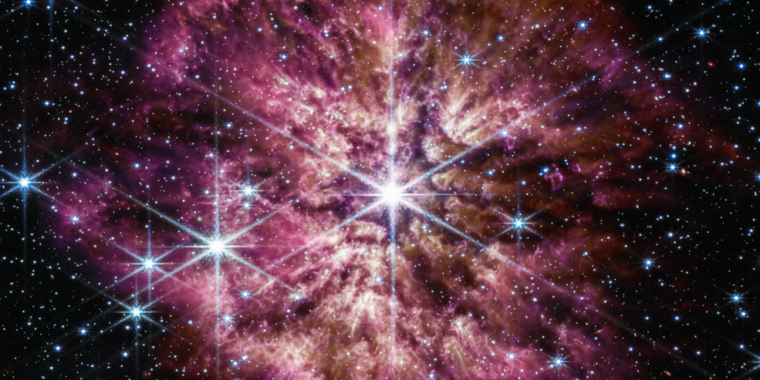
Scientists have discovered HD 45166, the most magnetic star in the universe, which may represent the first stage in the lifecycle of a magnetar. This helium-rich star is 43,000 times more magnetic than the sun and is believed to have formed through the merger of two smaller stars. In several million years, it is expected to explode into a modest supernova and re-form as a magnetar. This discovery raises questions about the origins of magnetars and the potential existence of similar systems.

"Magnetic Monsters: Unveiling the Birth of Superpowered Stars"
astronomy3 years ago

"Magnetic Monsters: Unveiling the Birth of Superpowered Stars"

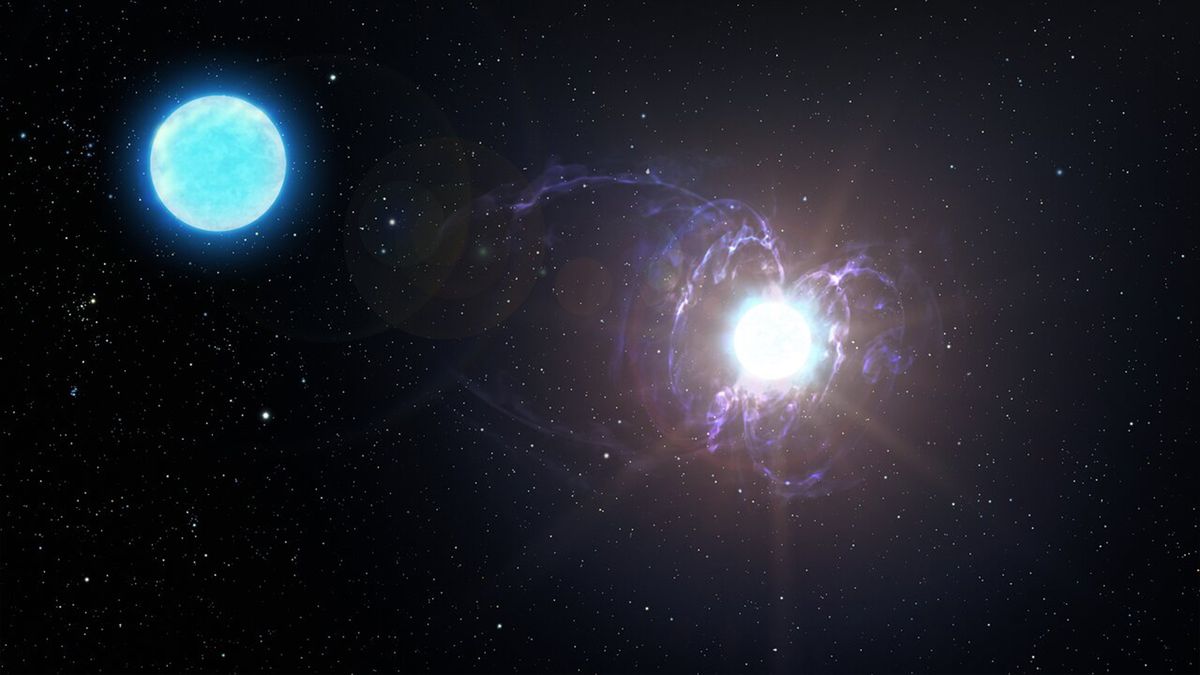
Scientists have identified HD 45166, a binary star system, as a potential precursor to magnetars, which are extreme objects with incredibly strong magnetic fields. The system consists of a normal star and a hot Wolf-Rayet star, with the latter exhibiting unusual characteristics such as a smaller mass and an axis of rotation aligned with its orbit. Further analysis revealed periodic changes in the star's light, indicating regular physical pulsing by the normal star. The revised data suggests a larger separation between the stars and a lower mass for the Wolf-Rayet star, challenging previous estimates.