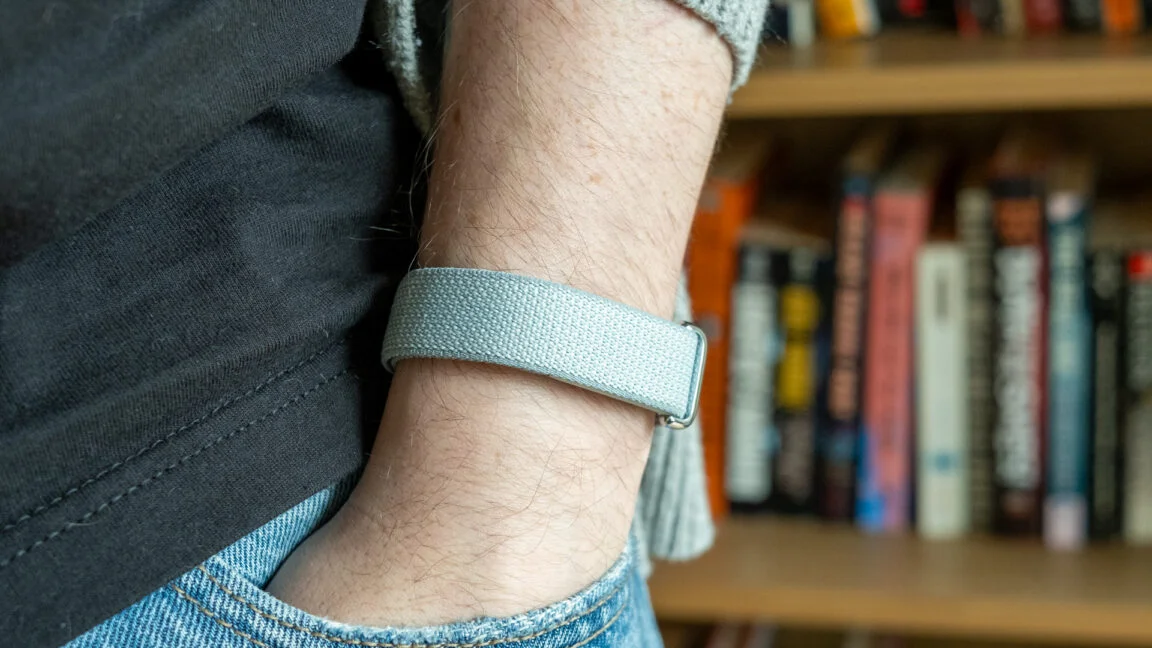
The Fitbit Air is a comfortable, screenless fitness tracker with solid battery life that tracks core metrics, but Google’s AI Health Coach—while integrated and helpful for some users—feels overly verbose and occasionally inaccurate, which may not justify upgrading to Premium for many buyers.
Google’s Fitbit Air launches May 19 at $99.99, a screenless, 12-gram tracker that aims to outpace rivals with Google Health Coach—an AI personal trainer powered by Gemini and tied to Google Health Premium. It uses Fitbit Air data to tailor workouts and health insights, offers voice/text coaching, and can analyze meals or gym photos/PDFs for nutrition, with a three-month free Health Premium trial. The device prioritizes a lightweight form factor over battery life and is available for pre-order at Amazon and the Google Store. There are privacy considerations with so much health data shared with Big Tech, but the pitch is a compelling, AI-equipped alternative to Whoop and Apple Watch.
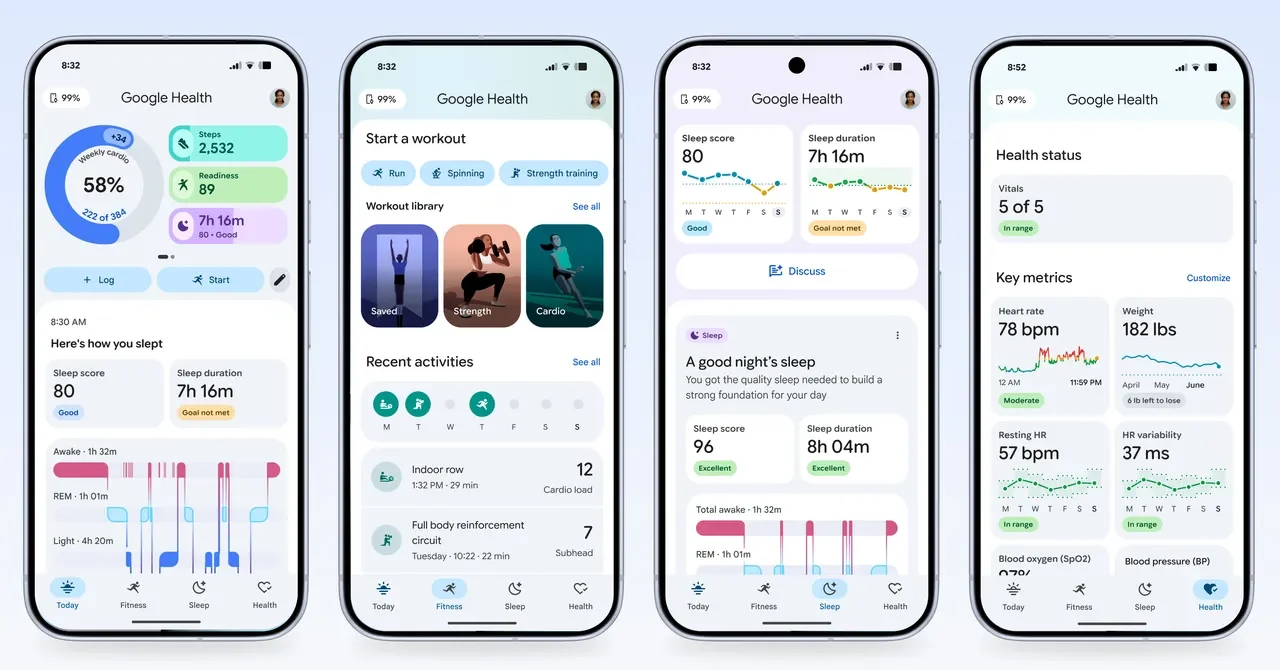
Google is rebranding the Fitbit app as Google Health and will sunset Google Fit this year, integrating Fitbit’s features into a broader health-and-fitness hub. The Health Coach AI moves out of beta as a premium feature (about $10/month or $100/year) offering deeper sleep insights and adaptive plans, with initial support limited to Fitbit and Pixel Watch data but plans to expand to more devices, including Apple Watch. The app will sync with Health Connect and Apple HealthKit, allow medical-record uploads, and enable data sharing with family, friends, or clinicians, while basic use remains free. Google emphasizes data used for ads remains siloed from Fitbit data, with an opt-in option for research and model training; the rollout begins May 19 for Android and iOS, alongside the Fitbit Air hardware launching May 26.
Actor John Goodman, known for his roles in "Roseanne" and "The Big Lebowski," has shocked fans with his impressive weight loss, reportedly dropping around 200 pounds. Goodman has been open about his struggles with alcoholism and food addiction, and credits his weight loss to lifestyle changes including cutting sugar from his diet and adding six workouts a week. The 70-year-old actor has also spoken about the importance of spirituality and purpose in filling the void that addiction and overeating cannot.
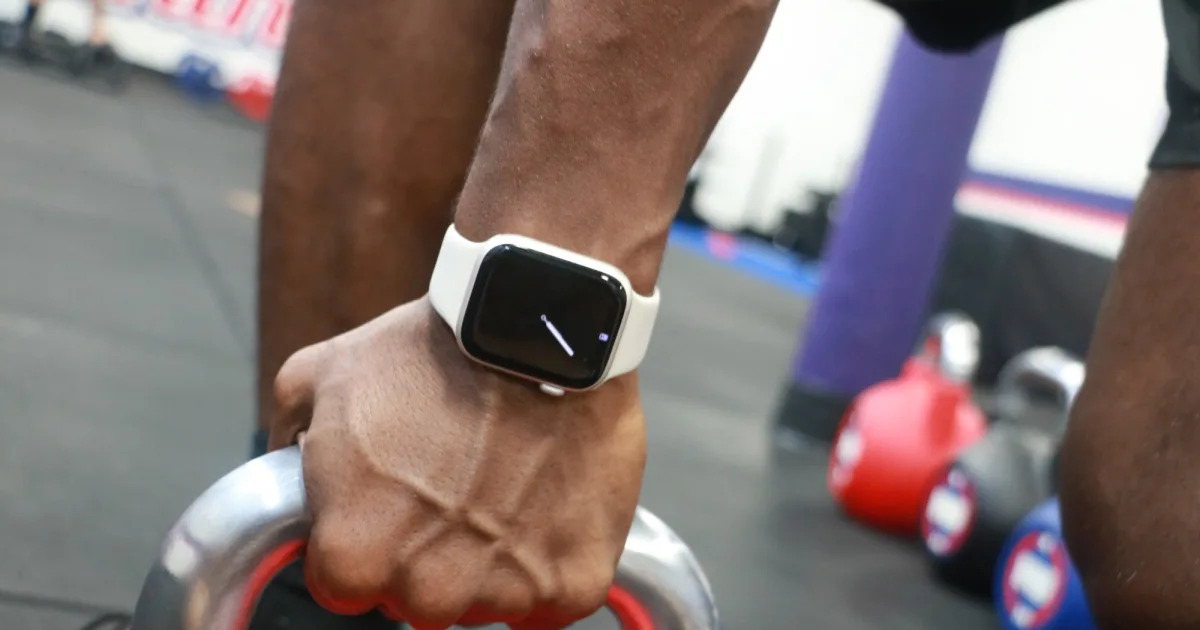
Apple is reportedly developing an AI-based health coach, nicknamed Quartz, that will use Apple Watch data to create personalized programs for exercise, diet, and sleep. The offering will require a subscription and launch in 2024. In the near term, the Health app may become more useful, with features like mood tracking and vision issue management. Apple is expected to unveil its mixed reality headset at WWDC on June 5th, which may offer health-related features. A coaching app would be in line with Apple's focus on services and health as a major selling point for its devices.
Apple is reportedly developing a paid AI-powered health coach service called "Quartz" that will use data from Apple Watch to create tailored coaching programs for users to improve their exercise, sleep, and eating habits. The service is expected to launch next year. Apple is also working on an emotion tracker, features to help users with nearsightedness, and a dedicated version of the Health app for iPadOS 17. These new features will build on Apple's existing health-focused tools, including its paid Fitness Plus service and medication tracking feature.